
Airport security can look different from one checkpoint to the next. TSA is adding CT scanners that let travel-size liquids stay packed in carry-ons. The familiar 3-1-1 size limit still applies. The change is in how bags are screened, not how much liquid you can bring. These nine points explain what the machines do and why the process can vary by lane.
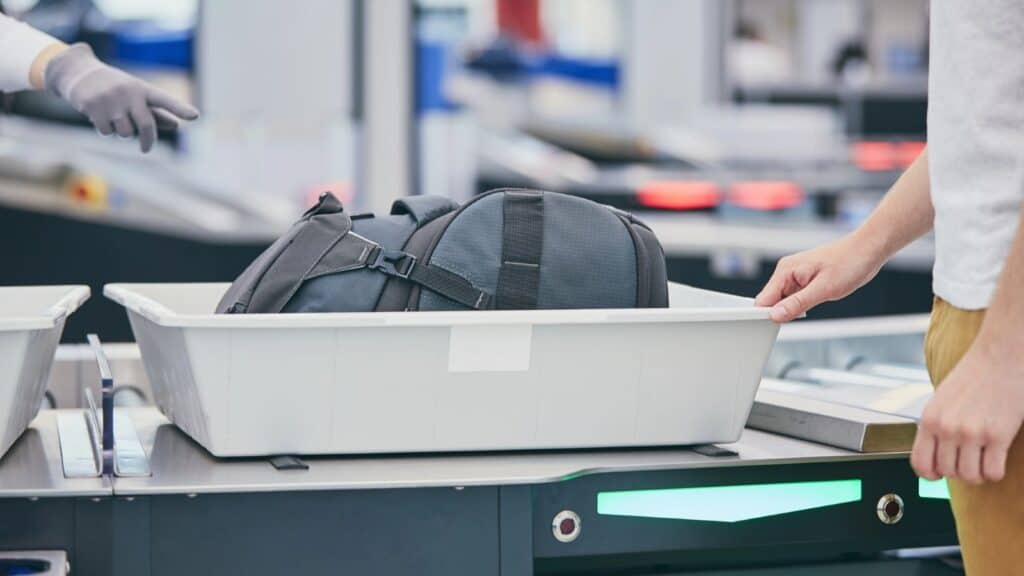
The 3-1-1 Limit Still Applies
TSA still tells travelers to follow the 3-1-1 liquids rule. For ordinary liquids, gels, aerosols, creams and pastes, each container must be 3.4 ounces or less. They also need to fit inside one quart-size bag. CT scanners have not raised that basic limit for everyday toiletries. What changes in a CT lane is the unpacking step, not the container size.
CT Scanners Let Liquids Stay Packed
In a CT-equipped lane, travelers can generally leave laptops and travel-size liquids inside their carry-on bags. The machine makes a detailed 3D image of the bag. Officers can turn that image and inspect it from different angles. That means fewer items need to come out before screening.
Better Threat Detection Is the Bigger Goal
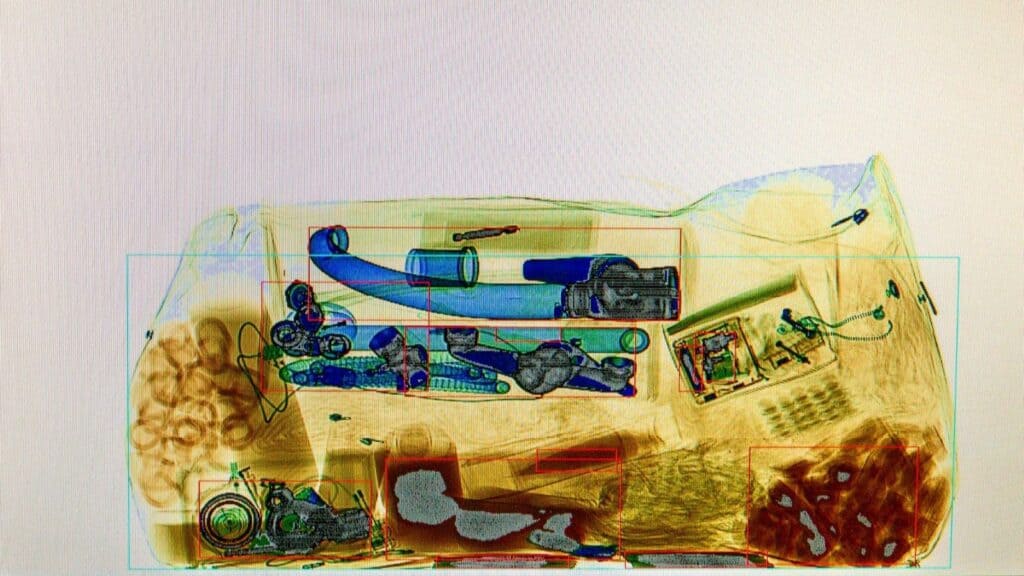
The goal is not just convenience. TSA says CT scanners use software and 3D images to help officers detect weapons and explosives inside carry-on bags. Officers can turn the image in three directions. They can inspect an area before deciding whether a bag needs to be opened.
The Rollout Now Reaches Hundreds of Airports
As of July 6, 2026, TSA had installed 1,162 CT scanners at 296 airports. AFAR reported that figure from a TSA spokesperson. TSA plans to keep replacing older X-ray equipment as funding allows. That means more travelers are seeing CT lanes outside the first test airports.
CT Coverage Can Vary by Lane
Seeing CT equipment at your airport does not mean every checkpoint uses it. Many airports still operate a mix of traditional and CT scanners. The instructions can change from one lane to another. Follow the officer at your checkpoint instead of assuming your liquids or laptop can stay packed.
PreCheck Already Offers a Similar Packing Benefit
TSA PreCheck members have long been able to keep compliant liquids and laptops packed in eligible lanes. As CT scanners become more common, standard-lane passengers are getting a similar convenience at equipped checkpoints. PreCheck still includes expedited screening. Members also face fewer requirements to remove belts or light jackets.
Full Nationwide Coverage Could Take Until 2042
During a January 2026 hearing in Congress, TSA testified that at the current pace of funding, the CT rollout could run until 2042. That is a funding-based forecast, not a firm finish date. Congress and future budgets could change the timetable.
Larger Carry-Ons Can Cause Trouble
CT scanners have smaller openings than many older X-ray machines. AFAR reported that very bulky or oversize carry-ons are the bags most likely to have trouble fitting through. TSA may screen the bag by hand or direct the traveler to another lane. A scanner issue does not always mean the bag must be checked.
The Upgrade Comes With a Large Price Tag
TSA has backed the program with major equipment orders. In 2023, the agency announced CT scanner contracts worth up to $1.3 billion. The orders covered up to 1,214 units if all options were used. The dollar figure is a contract ceiling. It does not mean TSA spent the full amount at once.
Pack for the Rule, Not the Machine
The key difference is between what you may bring and what you have to unpack. New scanners can make the checkpoint easier without changing the basic liquid-size rule. Pack ordinary liquids to the 3-1-1 limit and then follow the instructions in your lane. That way, you do not have to guess which scanner will be waiting at the airport.