
Thanksgiving dinner can go sideways fast when your turkey still feels like a frozen block of ice. The USDA recommends three safe ways to thaw it, but each method comes with its own timetable and rules you need to follow. Even if you run out of time to thaw the bird, you can still get dinner on the table safely without taking risky shortcuts.
Use the Refrigerator When You Have Time
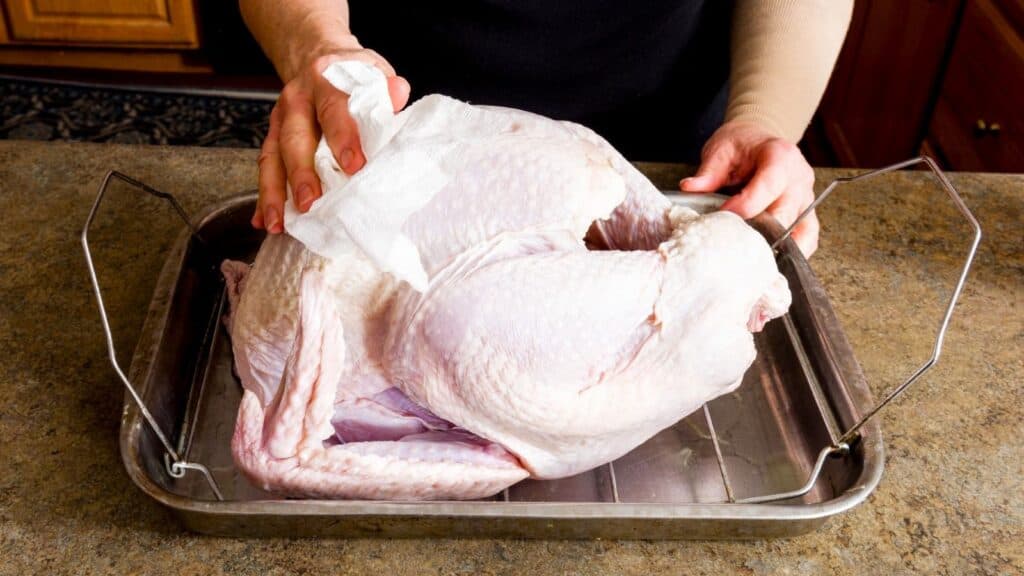
The refrigerator gives you the widest margin for error as long as you keep the bird in its original wrapping, set it in a container to catch drips and keep the refrigerator at 40°F or colder. USDA guidance allows roughly 24 hours for each 4 to 5 pounds, and after it thaws, you can keep the turkey refrigerated for another one to two days before cooking. You can also refreeze a refrigerator-thawed turkey without cooking it, although its quality may decline.
Change Cold Water Every 30 Minutes
Cold water works faster, but you have to keep an eye on it, so leave the turkey in airtight packaging or a leakproof plastic bag and submerge it completely in cold tap water. Replace the water every 30 minutes and let the bird sit about 30 minutes per pound, which means a 12-pound turkey needs roughly six hours this way. The water must stay cold, and the bird needs to go straight into cooking once thawed.
Check Your Microwave Before Defrosting
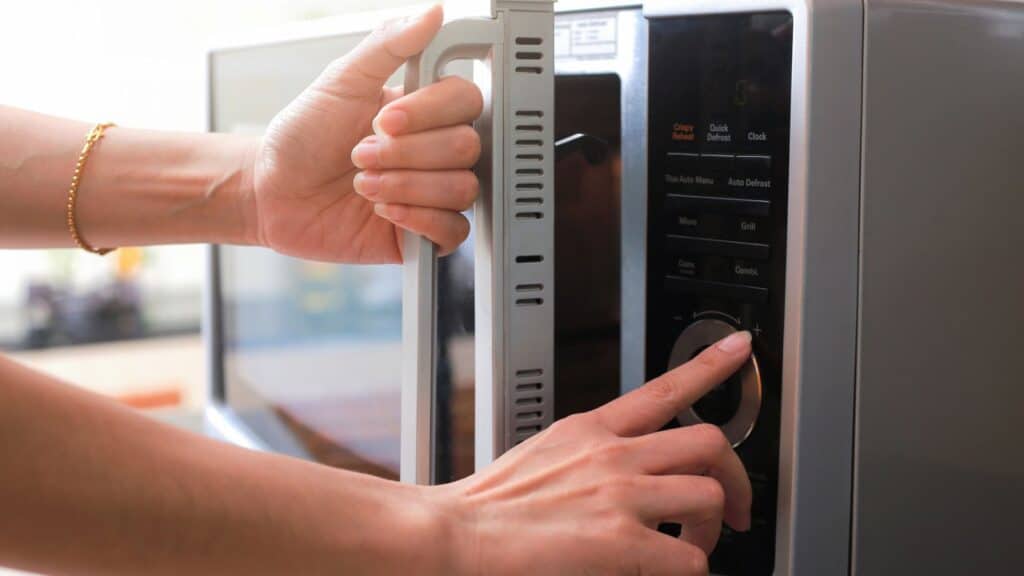
A microwave can save a late start, but its size and instructions decide whether it can handle your turkey. USDA gives about six minutes per pound as a general guide, not a fixed schedule for every appliance. Remove the outer wrapping, use a microwave-safe dish and follow the manual for defrost settings and turning the bird, but plan to cook the turkey immediately afterward because warm spots can begin cooking during thawing.
Use the Weight to Set Your Start Date
The bird’s size changes everything, and USDA’s thawing chart allows one to three days in the fridge for a 4- to 12-pound turkey, three to four days for 12 to 16 pounds, four to five days for 16 to 20 pounds and five to six days for 20 to 24 pounds. Cold-water estimates for those same groups are two to six, six to eight, eight to 10 and 10 to 12 hours, so check the label before choosing your start date.
Keep the Turkey Off the Counter
A frozen center doesn’t make room-temperature thawing safe, and the CDC warns that a turkey left out for more than two hours can become unsafe even when the middle is still icy. The outer layers can enter the 40°F to 140°F range where germs grow quickly. USDA also advises against thawing in hot water, a garage, on a porch or inside a dishwasher, so stick with an approved thawing method instead.
Cook Immediately After Quick Thawing
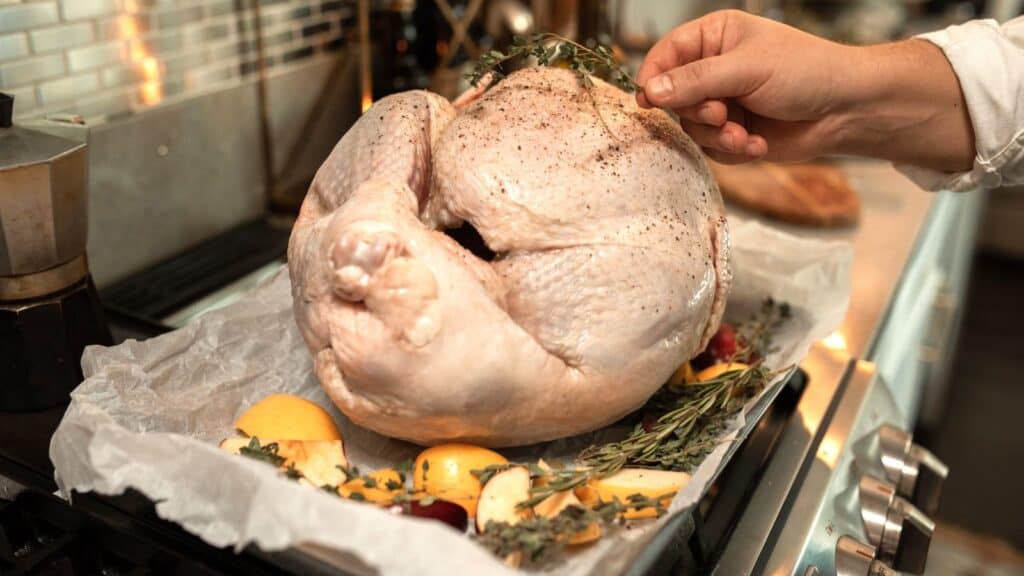
A bird thawed in cold water or the microwave should not sit around waiting for dinner, so USDA says to cook it as soon as thawing ends. Unlike a turkey thawed in the refrigerator, it should not go back into the freezer while raw, although you can freeze the cooked turkey once it’s thoroughly cooked. This rule matters when you’re deciding whether the oven will be ready as soon as the thaw ends.
Cook From Frozen if You Have To
With no thawing time left, USDA says you can roast a frozen turkey instead by setting the oven to at least 325°F, skipping the oven bag and allowing at least 50% more cooking time than for a thawed bird. A thermometer must read 165°F in the innermost thigh, innermost wing and thickest part of the breast, and if the giblet packet is frozen inside, remove it with tongs once it loosens during roasting.
Good Planning Leaves Room for Thanksgiving
You can’t make a large turkey thaw faster by hoping the kitchen stays cool, but you can choose a safe plan that fits the hours you actually have and adjust dinner preparations around it. That simple decision leaves more attention for the people coming to your table, where it belongs.