
Vending machines are easy to ignore, until you notice how many habits they quietly built. A pack of gum on a train platform, a cold soda between errands, a hot meal after midnight. Each one used to take more effort than it does now, and a machine is the reason why.
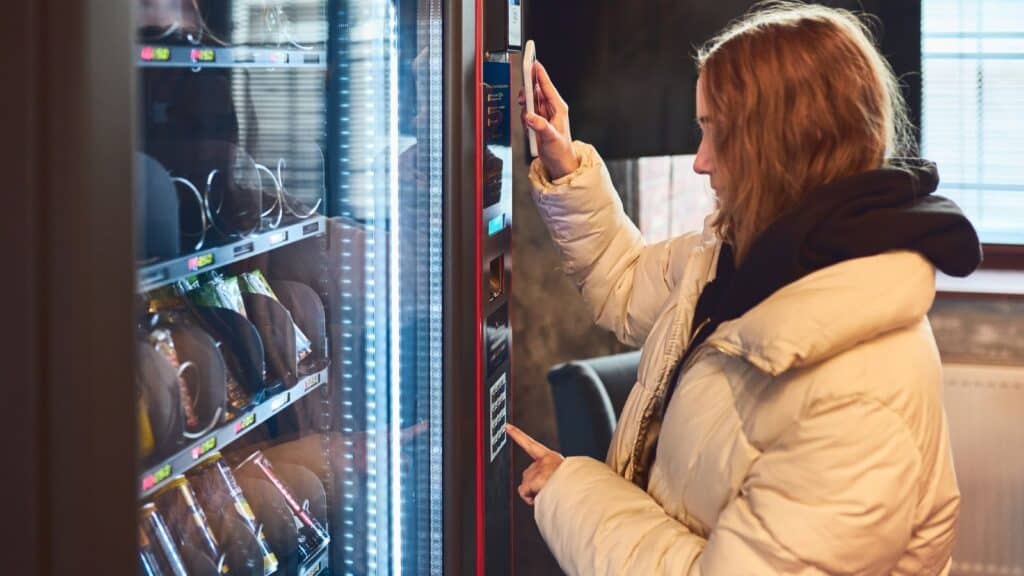
Thomas Adams Brings Gum to Train Platforms
American vending got an early boost in 1888, when the Thomas Adams company installed Tutti-Frutti gum machines on New York train platforms. The machines sold gum without a clerk and gave commuters a quick purchase on the go. NAMA’s industry history records the Adams installation as an early U.S. vending milestone.
Horn & Hardart Turns Lunch into Self-Service
Joseph Horn and Frank Hardart pushed automatic selling beyond candy in 1902. Their first Automat opened at 818 Chestnut Street in Philadelphia on June 9. The original setup used food displays and a dumbwaiter to deliver orders from below. Horn & Hardart says the familiar coin-operated windows came with a later design in 1912.
Gumballs Get Their Own Machine
The first Adams machines sold gum in sticks or blocks. The Oxford Companion to Sugar and Sweets says the first gumball vending machine arrived in 1907, generally credited to the Thomas Adams Gum Company. That date separates the round-gum machine from Adams’ earlier stick-gum vendors.
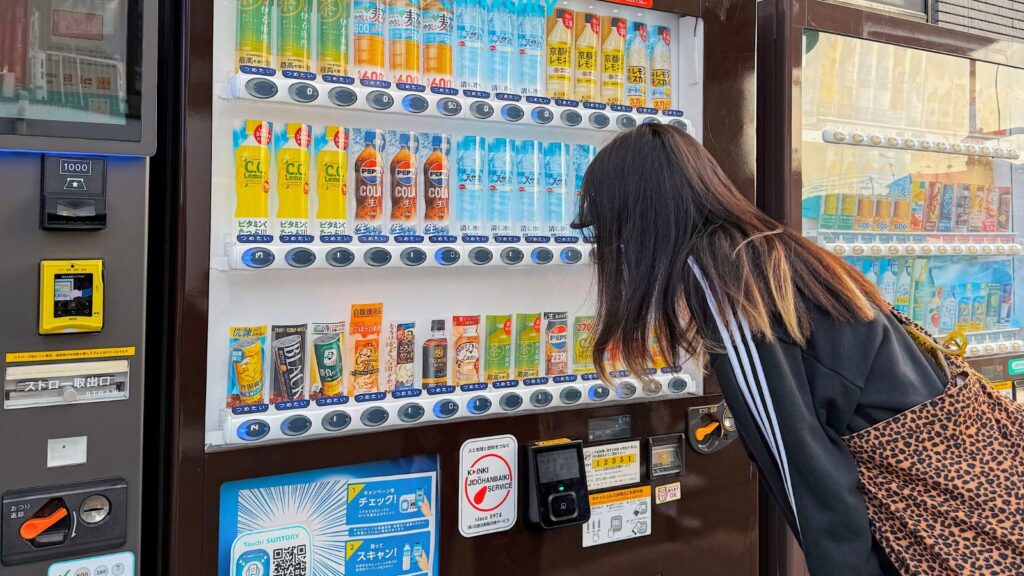
Bottled Soda Moves into Vending
Soft-drink vending did not begin with a single 1937 invention. NAMA’s industry history says ice-cooled bottle machines appeared during the 1930s. The same timeline separately records a Coca-Cola bottle vendor built by the Vendolator Co. in Fresno, California, in 1937. The safer milestone is the decade when chilled bottled drinks became part of American vending.
Coffee Comes Out Hot
Cold drinks were only part of the story. NAMA dates the first coffee vendors to 1946 and links their arrival to the growth of vending-machine coffee breaks. Hot-drink machines widened what vending could do. A machine was no longer limited to packaged candy, gum, or bottled beverages.
Refrigerated Sandwiches Expand Lunch
By 1950, vending was moving closer to a full meal. NAMA records the introduction of refrigerated sandwich vendors that year. Keeping prepared food cold inside the machine expanded what a vending-machine lunch could include.
Glass Fronts Change the Snack Choice
Modern snack machines owe a lot to a 1972 milestone. NAMA says Polyvend introduced the glass-front snack machine that year. Instead of buying from a machine with little view of the contents, customers could see rows of chips, candy, and other snacks before choosing. That basic setup is still instantly recognizable.
Cards Start Replacing Coins
Vending had long depended on coins and exact change. NAMA’s timeline marks the introduction of credit and debit card devices for vending machines in 1985. Cashless payment opened another way to buy from a machine and reduced one of vending’s oldest annoyances: having the right coins at the right moment.
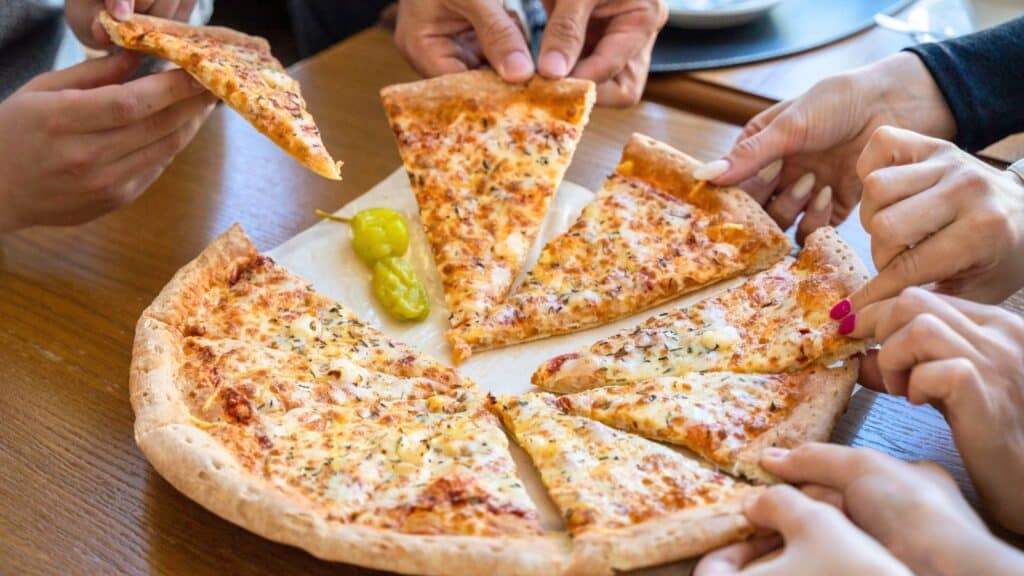
Pizza Gets the ATM Treatment
In August 2016, Xavier University in Cincinnati became the first U.S. location for a Pizza ATM. Fortune reported that the machine dispensed 12-inch pizzas in about three minutes using an internal convection oven. The machine heated the pizza inside before sending it out through a slot.
Convenience Keeps Winning
The lasting lesson is not that vending machines replaced stores or restaurants. They succeeded by making a purchase possible in places and at times when a staffed counter was inconvenient. Each useful improvement made the machine ask less of the customer. That may be why the best vending technology eventually stops feeling unusual and starts feeling like part of the room.