
Your grandma’s skillet may be a hidden gold mine, as 1950s cast-iron pans now fetch a fortune. Collectors are driving up prices across resale platforms and antique markets, with pieces selling at auction from $450 to $9,750. Manufacturers are also taking notes, with new lines copying the weight and craftsmanship of mid-century originals.
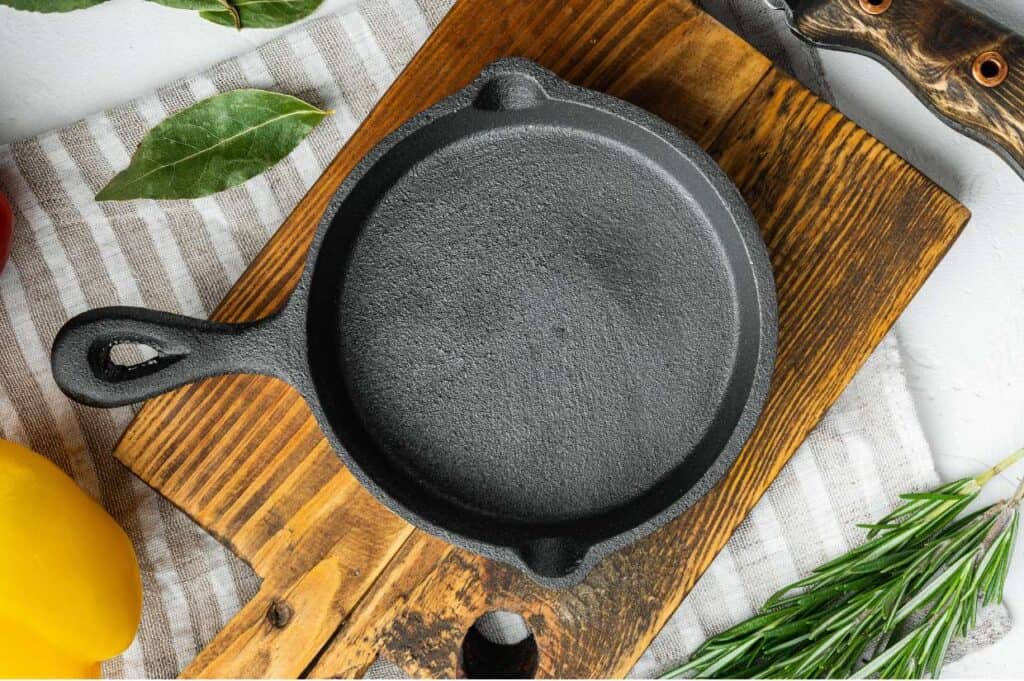
Beyond its resale value, vintage cast iron is also making a comeback as home decor. Its aged surface and lasting form tell a story that adds depth and warmth to modern spaces.
Cast iron’s rise in history
The origins of cookware made with cast iron trace back to the third century B.C. China, where it was first used in kitchens. The practice spread through trade and eventually reached Europe by the 1400s. In 18th-century England, cast iron moved beyond industrial use and into kitchens, evolving alongside the shift from open fires to indoor stoves. By the 19th century, the Industrial Revolution made way for thinner, mass-produced cookware, making it more accessible to households.
Cast iron production in the United States began in 1642 with the Saugus Iron Works near Boston, now recognized as a National Historic Site. That same year, the site produced the first utilitarian iron casting in the country: a pot-bellied kettle known as the Saugus pot. By the late 1800s, Griswold, Wagner and Lodge had emerged as leading names in American cast-iron cookware, setting the foundation for today’s collector market.
How to spot collectible cast iron
If your pan has a large Griswold logo centered in a cross or a Wagner Ware mark with the Sidney-O signature, you may be holding a collector favorite. Smooth interiors without enamel coating often indicate older, more desirable production. Features like heat rings, pattern numbers and city stamps help identify pans made before the 1960s.
Condition plays a major role in value. Rare models such as No. 13 sizes or pans with unusual logo variations are sold for around $3,000 to $4,000 at auctions. Depending on wear, more common ones generally fall between $50 and $200, but even those outprice many modern counterparts thanks to their durability and history.
Inside the vintage skillet market
Many collectors begin their hunt at antique stores, where dealers often recognize valuable pieces but may overlook lesser-known variations or unmarked pans. Estate sales continue to yield strong finds, especially in older homes where vintage cookware might still be tucked away. Recent resale listings show rare pieces have drawn high prices across online platforms, like the Griswold No. 2 skillet being sold for $8,000 on eBay and a Martin Stove & Range No. 12 skillet listed at around $350. Most vintage skillets, however, still fall into lower price brackets.
Collectors verifying their finds often consult reference materials like the Blue and Red Books. These widely recognized guides specialize in identifying and appraising vintage cast-iron cookware, particularly pieces from Griswold and Wagner. In-person events like swap meets and cooking festivals provide additional opportunities to share knowledge and spot rare pans, though these gatherings tend to be regional and less formally tracked.
Ways to verify authenticity
Authenticating a vintage skillet starts with checking the weight, finish and markings of the pan. A lighter build and polished, glassy interior suggest older, machine-milled craftsmanship. Key features such as pattern numbers, logo shapes and city names that align with catalog references help narrow the production period. Collectors rely on these details to separate originals from reproductions, which have become more common. Heavy rust, cracks or warping can quickly drag down value. If it reads Made in USA, chances are it was produced after the 1960s, when branding laws changed and original production had already shifted hands.
Care tips to preserve resale value
Preserving a vintage skillet starts with how it’s cleaned. Use hot water and a stiff brush to avoid damaging the seasoned surface. After washing, dry thoroughly and apply a light layer of neutral oil before heating the pan to lock in protection. This polymerized coating prevents rust and keeps the cooking surface in top shape. Store the skillet in a dry spot, ideally cushioned from other cookware to avoid scratches. Consistent care not only extends the skillet’s lifespan but also helps preserve its collector value.
Vintage pans to home accents
Not every old skillet needs to be cooked in or sold to be appreciated. Vintage cast iron also makes a striking addition to home decor. Some collectors hang pieces on kitchen walls as functional art, especially when their logos are visible. Others use them as rustic trivets or shelf accents in farmhouses or industrial-style spaces. Pans with cracked bases or warped bodies can still serve as decorative nods to family history and craftsmanship. With a bit of polish, these cast-iron relics become conversation starters beyond the stovetop.
Old cookware, new payoffs
1950s cast-iron skillets have found their place beyond kitchens. As collector interest rises, these vintage pieces move with ease between stovetops, auctions and display walls. Their value stems not only from scarcity or design but from the story they carry. This legacy keeps collectors coming back, whether for cooking performance, historical appeal or simply the feel of something made to last.
Zuzana Paar is the creator of Sustainable Life Ideas, a lifestyle blog dedicated to simple, intentional and eco-friendly living. With a global perspective shaped by years abroad, she shares everyday tips, thoughtful routines and creative ways to live more sustainably, without the overwhelm.