
Perimenopause has become a cultural flashpoint. Nearly 95% of women who identify as being in perimenopause report fatigue and exhaustion, not hallmark symptoms like hot flashes and night sweats, according to a global survey published in Menopause. The disconnect between what women actually experience and what is widely recognized plays out in real time, with unexpected consequences.
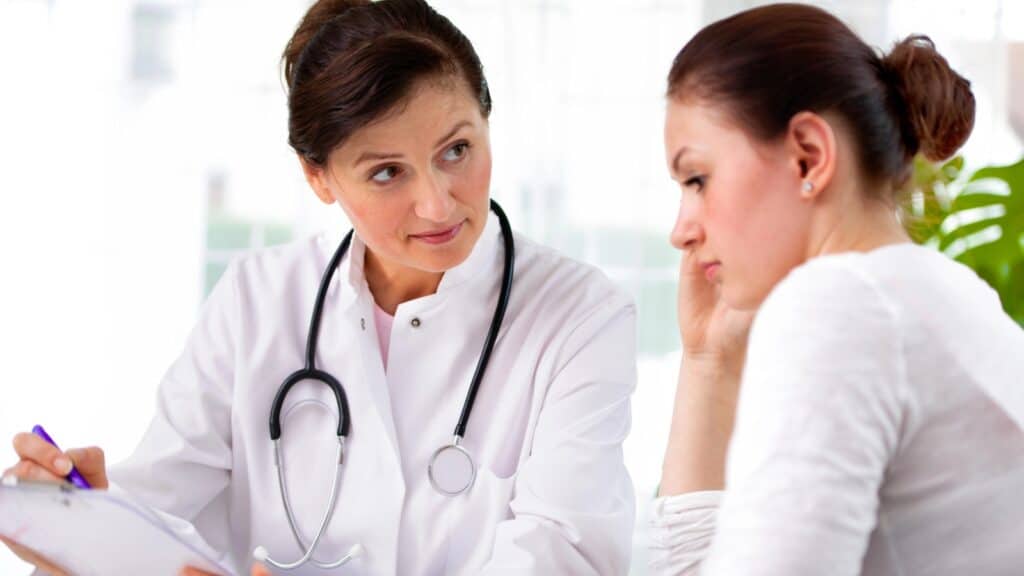
Perimenopause used to be a word many women had never heard. Now it is a daily topic on podcasts, TikTok feeds, group chats and news headlines. Doctors across the country say they see the effects of that cultural shift in real time, as patients arrive with new vocabulary, new expectations and a powerful belief that hormones may explain what they are feeling.
The result is not confusion about perimenopause. Rather, the United States faces a collision between newly hormone-aware patients and a health care system that was never built for this level of demand or nuance.
The validation wave
A Flo survey found a large share of women who experience perimenopausal symptoms initially sought care for mental health concerns, sleep problems or stress before realizing hormones could be involved. Many report seeing multiple providers without receiving an explanation that connected their symptoms to the menopause transition.
Also, for a lot of women, their first encounter with the word perimenopause did not come from a doctor. It came from a podcast clip, a social post or a viral video. Those who had been quietly wondering if they were developing anxiety, depression, memory loss or unexplained fatigue suddenly heard stories that sounded exactly like their own. The relief was immediate; there was a name for what they were experiencing.
Perimenopause is the transitional phase before menopause, when estrogen and progesterone levels fluctuate unpredictably. It can begin in the late 30s or early 40s and last for years. Symptoms range far beyond hot flashes. They include sleep disruption, mood changes, brain fog, anxiety, joint pain, irregular cycles and profound exhaustion.
For decades, many of these symptoms were either minimized or treated in isolation. A woman might be given sleep medication, an antidepressant or told to manage stress without anyone connecting the dots. Social media did what exam rooms often did not: it created a shared narrative.
Social media has helped close that gap, at least culturally. “Women are finally feeling seen,” said Colette Lopane-Capella, founder of New Day Vitality and a mental health counselor who specializes in perinatal mood disorders and perimenopause. “Many of my clients tell me they spent years thinking they were losing themselves, when in reality they were dealing with hormonal shifts, anxiety, depression, rage, sleep disruption, brain fog or nervous system overwhelm connected to perimenopause.”
The clinical backlog of a viral health conversation
“I showed up to my annual appointment with a laundry list of questions, lab requests and treatment options I had researched online,” said Lianca Lyons, a Los Angeles style commentator and founder of The Rich Auntie Club, who is navigating perimenopause herself. “Thank God my doctor listened.”
Lyons said social media helped her connect symptoms she did not initially understand, but it also meant arriving at her primary care visit with expectations shaped by what she had seen online. Her doctor suggested more traditional options such as hormonal birth control, while a menopause specialist she consulted via telehealth discussed newer approaches, including bioidentical hormone therapy. “What mattered most was being able to have an open conversation and come to a mutual decision instead of feeling dismissed,” she said.
Clinicians say this type of visit is becoming increasingly common. More patients arrive convinced they are in perimenopause and ask for hormone testing or hormone replacement therapy. Many are well informed, but some draw conclusions from social media narratives that do not fully apply to their condition.
The shift has rippled into daily life as well. Many women navigating perimenopause say they have quietly restructured their routines, moving toward lower-effort cooking like no-milk waffles and hearty dishes like copycat Outback potato soup that don’t add pressure to already unpredictable days.
A health care system catching up in real time
In a recent American Hospital Association podcast episode, health care leaders and specialists discussed how many clinicians receive limited menopause education in medical school and residency.
They noted that while awareness among patients has surged, formal training on how to diagnose and manage perimenopause has not kept pace. That disconnect, the panel said, often leaves providers scrambling to fill knowledge gaps in real time during appointments and can contribute to inconsistent care across practices, reinforcing the need for updated curricula and continuing education.
What began as a social media conversation now influences clinical practice. Doctors say this moment may ultimately improve care, because patients are asking questions that were rarely asked before. They are coming prepared, advocating for themselves and refusing to accept vague answers.
Closing the gap between awareness and care
Perimenopause is no longer an overlooked phase of midlife. It is now widely discussed, better understood by patients and more openly named in everyday conversations. At the same time, the health care system is adapting to this new level of awareness and demand. Medical training and practice are yet to catch up with the complexity and range of perimenopausal care.
The result is a moment of adjustment on both sides, with patients finding stress relief and voicing out their experiences and providers expanding how they listen, assess and respond. Rather than a clash, this becomes a slow recalibration of expectations and practice.
Jessica Haggard is the recipe developer and creator behind Easy Homemade Life. As a homeschool mother of three managing a real, busy household, she brings years of hands-on experience to families looking to simplify home cooking, natural cleaning, and DIY personal care. Her work is rooted in the belief that a healthy home doesn’t require complicated ingredients or expensive products, just practical knowledge and simple habits that hold up in daily life.Her work has been featured on Yahoo, The Washington Times, The Baltimore Post, Chicago Sun-Times and Seattle Times.