
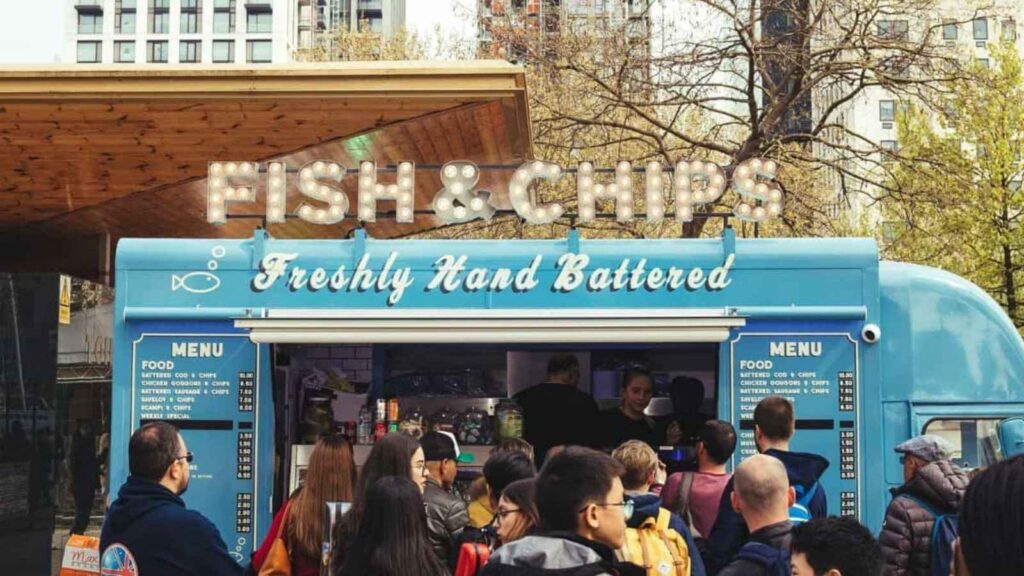
The window line is the easy part. What it actually costs to hold that corner, in fuel, ingredients, labor and margins that leave no room for a slow Tuesday, is what most people walking up never see. This Friday is National Food Truck Day, and the operators who have been serving for five years or more did not get there by accident.
The food truck industry is on a long winning streak, forecast to reach $1.59 billion by 2031 according to a Mordor Intelligence report, as urban demand and digital ordering continue to draw new customers to the window. But behind that growth are independent owners running one vehicle, one menu and one shot at a profitable day.
Tight margins reward operators who focus
The trucks operating across the country face the same cost pressures squeezing brick-and-mortar restaurants, from ingredients and fuel to labor, but with far less cushion to absorb them. Last year, 42% of operators reported that their businesses were not profitable. For many owners, there is no bad day that a good week can easily fix.
Owners who make it work tend to resist trying to be everything to everyone. They build around a single cuisine, a hero dish and a clear reason for a customer to stop. A Filipino BBQ concept that does pork belly adobo wraps better than anyone within 5 miles has a stronger business case than a truck serving tacos, wings and pad thai off the same line. Specificity is the business model, and the trucks that survive usually figured that out early.
The dish is the marketing
A truck’s location used to be spread by word of mouth, a chalk sign and a loyal lunch crowd. Now it travels by video. TikTok and Instagram are the primary discovery channels for mobile food operators, where a properly torched creme brulee French toast or a visually stacked elote cup can draw a line before noon on a Tuesday.
That visibility has put nostalgia-forward dishes like smashed burgers back at the front of the line, pushing operators to find fresh angles on formats diners already love. Trucks with real-time location updates, clean online menus and a consistent social presence consistently outperform those relying on foot traffic alone. The truck nobody can find online is the truck nobody can find, full stop.
Global flavors drive what people order
The menus going up on truck chalkboards this summer look genuinely different from what they did five years ago. According to the same culinary forecast, global comfort foods rank among the top menu trends this year, and the category covers a lot of ground: Caribbean curry bowls, miso-glazed proteins, smashed burger riffs built for a generation that grew up watching global food content. Low overhead lets operators chase those appetites without retooling a full kitchen or locking into a lease.
West African suya, Oaxacan tlayudas and Korean-Cajun crossovers show up at festivals and breweries in cities where that food has no permanent brick-and-mortar home yet. Vegan and plant-based options are among the fastest-growing segments in the space, projected to expand at an 11.1% annual rate through 2031. The truck is often where a cuisine gets its American debut before a restaurant ever follows.
Cleaner, quieter trucks point to what comes next
The truck that pulls into a neighborhood park in the next few years may not arrive with the diesel-generator noise long associated with mobile food service. Fully electric units are still a small share of the overall market, held back by upfront costs and gaps in charging infrastructure. But battery-assisted and hybrid builds are appearing more often in new orders as operators weigh fuel savings against compressed margins. Electric food trucks are projected to expand at one of the fastest rates in the segment through 2031.
Meanwhile, the same Mordor report found that trailers held 42.85% of the U.S. food truck market in 2025, but customized trucks are forecast to grow at an 8.78% annual rate through 2031 as operators move toward premium, tech-ready builds. Owners who invest in those builds bet on a long runway, and that confidence is not coming from nothing.
What began as repurposed step vans serving gourmet grilled cheese has grown into a segment of American dining that competes on price, speed and food quality without a dining room to back it up. The consumers driving that growth are not interested in paying $18 for a cocktail to have a good meal. The operators who understood that early are the ones still at the window.
Correction June 26, 2026: The original article incorrectly stated that National Food Truck Day falls on a Thursday. The unofficial holiday is observed on the last Friday in June. The article has been corrected to reflect the accurate day.
Jennifer Allen is a retired professional chef and long-time writer. Her work appears in dozens of publications, including MSN, Yahoo, The Washington Post and The Seattle Times. These days, she’s busy in the kitchen developing recipes and traveling the world, and you can find all her best creations at Cook What You Love.