
Most travelers abroad end up eating at restaurants they didn’t plan on: places with photos on the menu, English translations at the door and prices that feel just slightly off. It happens fast. You’re tired, the street looks unfamiliar and the path of least resistance leads straight to the tourist row.
There’s a better way, and it doesn’t require a food tour or a local contact. It just requires knowing where to look. About 77% already enjoy exploring local grocery stores abroad for authentic food and drink. That instinct is right. The market stall, the lunch counter, the bakery that opens at 6 a.m.: these are where the food actually is.
The market is always worth the detour
Not every market earns a stop, and volume is the fastest way to tell. If locals are shopping there at 1 p.m. on a Tuesday, it’s the real thing. If it’s staged for weekend foot traffic or positioned near the main tourist drag, move on.
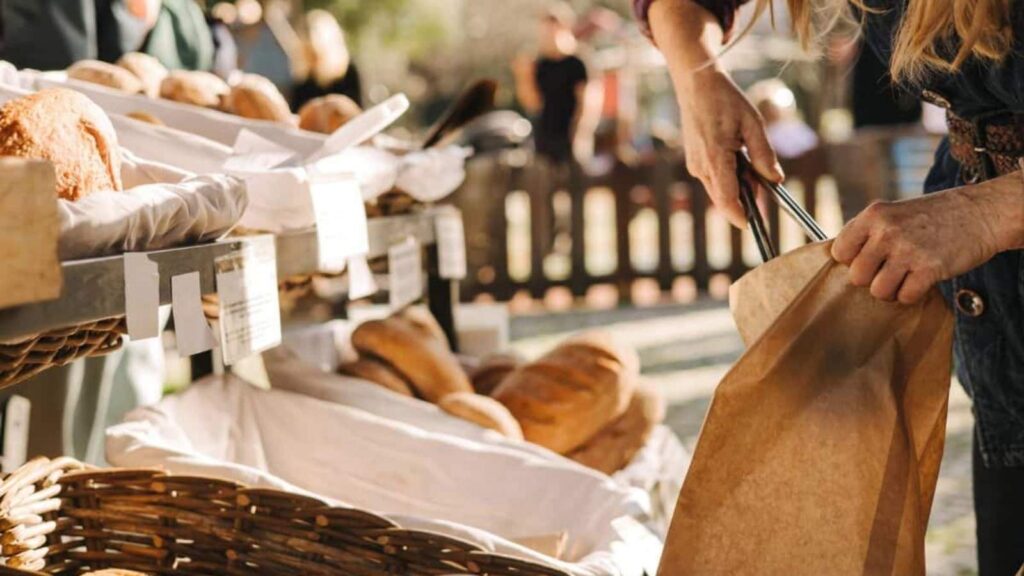
A vendor with near-empty displays by early afternoon started the morning with good product. That’s the one to buy from. No restaurant can offer that kind of access to ingredients at their peak, often sold by the person who grew them.
Reading an unfamiliar menu isn’t hard
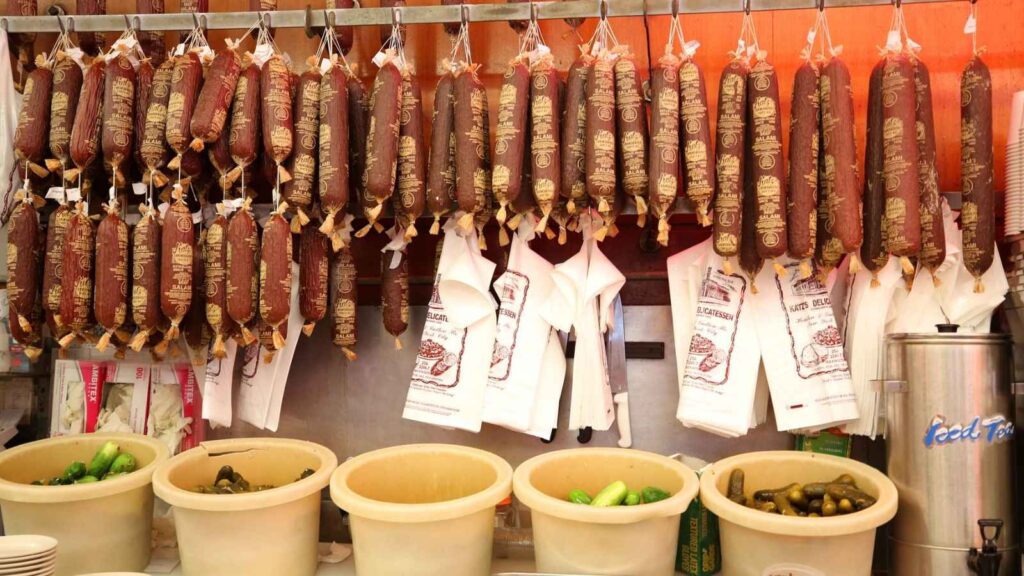
The shortest menu in a local restaurant is almost always the most honest one. Fewer ingredients listed means the kitchen has made that dish thousands of times. Look for whatever’s written on a chalkboard or posted on the wall: that’s the daily special, built around what came in that morning.
If one dish costs noticeably more than everything else, that’s usually a sign of skill and sourcing, not markup. It’s worth ordering.
Street food is safer than most people think
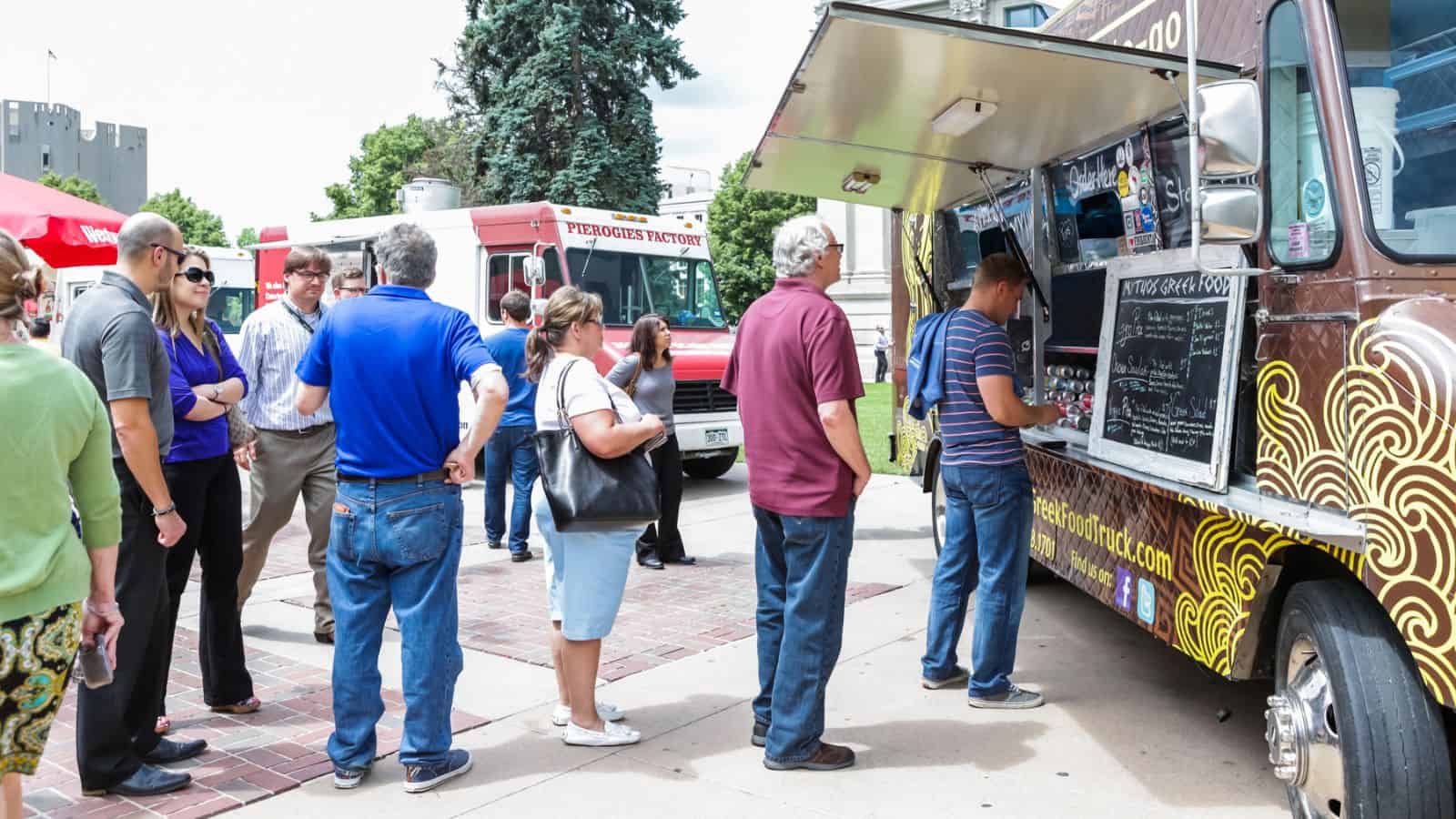
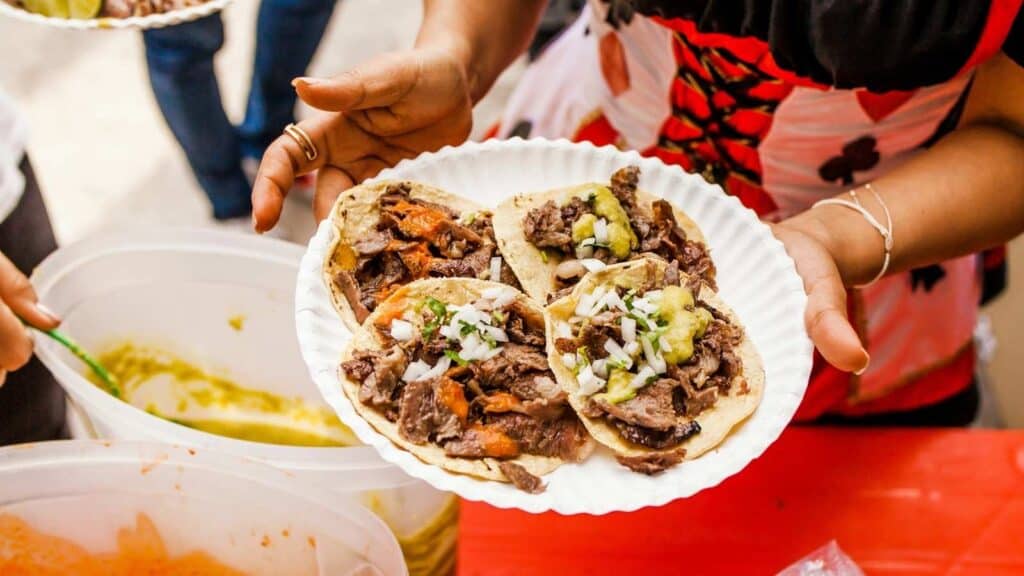
Three things tell you a stall is worth eating at: food cooked to order over visible heat, enough customer volume that nothing sits, and a line that skews local. That’s it. Those are the same markers a careful local eater uses.
Travelers who learn to read them rarely need a reservation.
Where to spend and where to save
Breakfast and lunch come from markets, bakeries, street stalls and local lunch counters. Save the dinner budget for one carefully chosen local restaurant: no photos on the menu, no translation volunteered, a prix fixe at lunch that the dinner menu doesn’t replicate.
That lunch prix fixe is one of the best deals in food travel. The same kitchen, the same chef and largely the same food often costs less at midday. Pick up bread and cheese for dinner and you’re not compromising. You’re eating at the pace of the place.
The tourist restaurant circuit exists because tourists use it. Step outside it, even once, and the trip gets better immediately.
Mandy is a luxury travel, fine dining and bucket-list-adventure journalist with expert insight from 46 countries. She uncovers unforgettable experiences around the world and brings them to life through immersive storytelling that blends indulgence, culture and discovery, and shares them with a global audience as co-founder of Food Drink Life. Her articles appear on MSN and through the Associated Press wire in major U.S. outlets, including NBC, the Daily News, Boston Herald, the Chicago Sun-Times and many more.