
The global barbecue seasoning market will surge past $9 billion this year, fueled by a massive consumer appetite for international flavors. Home cooks are rapidly shifting away from predictable salt-and-pepper rubs, favoring complex, globally inspired profiles. While exciting flavors represent a thrilling new frontier for Western backyards, most of them are ancient, time-tested foundations of open-flame cooking in cultures around the world.
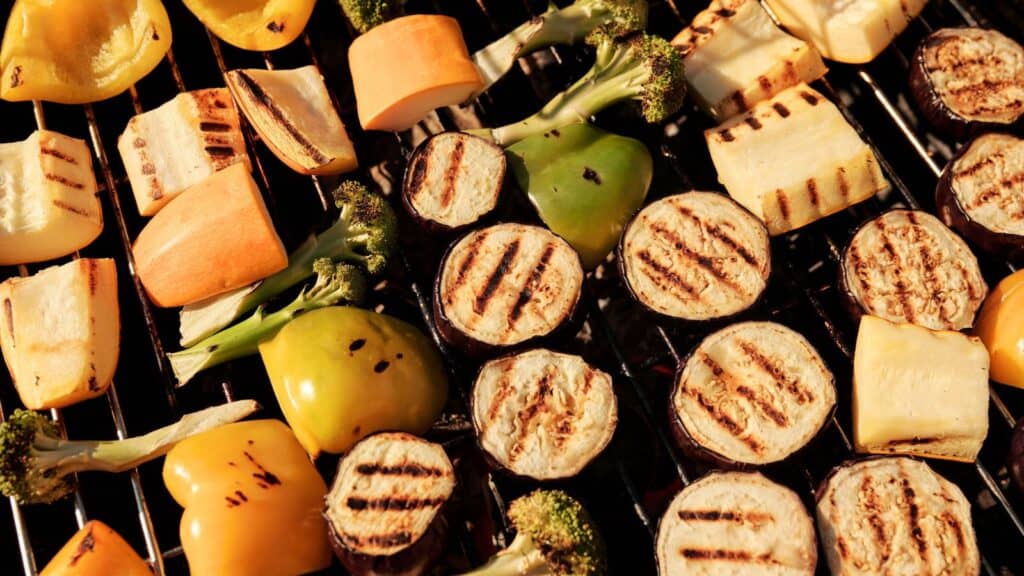
North America dominated the barbecue seasoning market in 2025 with a value of $3.8 billion, with the United States driving much of the growth. Analysts credited America’s strong grilling culture and consumers’ appetite for bold, authentic flavors supported by an expansive network of restaurants, grocery retailers and specialty food brands.
Globally, grilling traditions have always reflected local ingredients, history and culture. Argentine chimichurri, Japanese yakitori, Korean barbecue marinades and North African spice blends may feel trendy to American diners, but families have relied on these flavors for generations. Exploring international grilling flavors reveals that many of today’s most sought-after tastes are rooted in centuries-old techniques rather than fleeting food trends.
Flavors speak a universal language
Long before gas grills and pellet smokers, communities across the globe gathered around open flames. Every region developed its own approach, using available herbs, spices and preservation methods to create distinct flavors.
Those traditions continue to influence modern cooking. While playful trends like swicy hot honey continue to dominate social media and bright acid bomb flavors such as pickle-ranch and calamansi gain momentum, the rising appeal of global flavors is apparent.
The sauce itself has become the trend. McCormick’s 2026 Flavor Forecast calls the movement Sauce From Somewhere, which highlights how consumers increasingly use marinades, condiments and spice blends to connect with cultures around the world. Many of today’s hottest grilling flavors are not inventions at all. They are traditions that countries like Argentina, Korea, Peru, Japan, North Africa and the Middle East have refined over generations.
Age-old flavors, modern barbecue
These global grilling flavors show how deeply connected modern barbecue trends are to long-standing culinary traditions around the world. From fermented bases to fresh herb sauces and citrus-driven spice blends, each profile reflects centuries of regional cooking over open flame.
Korean barbecue flavors
Korean barbecue traces its roots to centuries-old traditions of grilling meat over charcoal and gathering around the table to eat communally. Marinades featuring soy sauce, garlic, sesame oil, ginger and fruit such as Asian pear create the sweet-savory balance that defines bulgogi and galbi. Gochujang adds a deep, fermented chili heat that has become central to many modern Korean barbecue marinades that enhance both sweetness and umami.
Today, Korean flavors rank among the most popular international influences in American grilling. They shine with beef short ribs, pork shoulder, chicken thighs and even mushrooms. Kimchi has also crossed into the comfort-food category, inspiring creations like kimchi grilled cheese. The appeal lies in the contrast of smoky meat, sweet marinades and fermented heat, all meant to be shared.
Chimichurri
Few sauces are as closely tied to grilling culture as Argentina’s chimichurri. Rooted in the country’s asado tradition, the uncooked blend of parsley, oregano, garlic, vinegar and olive oil developed as a companion to beef cooked slowly over wood fires.
Unlike heavy barbecue sauces, chimichurri brightens rather than masks smoky flavors. Argentines traditionally spoon it over grilled steaks and sausages, but it works equally well with lamb, chicken and vegetables. Its fresh, herb-forward energy pairs well with lighter grilled sides like salads and remains a global favorite centuries after it first appeared around South American fires.
Aji amarillo
Native to Peru and cultivated for thousands of years, aji amarillo delivers fruity warmth rather than overwhelming spice. Peruvian cooks traditionally use the golden chile in sauces and marinades that accompany grilled chicken and seafood.
Aji amarillo’s tropical notes make it especially appealing for shrimp, fish and chicken skewers. It also works beautifully in vegetable-forward grilling, which makes it ideal for plant-based BBQs. The flavor feels both vibrant and approachable, and offers a gentler introduction to chile-based grilling traditions while adding a burst of color to the plate.
Harissa
Harissa originated in Tunisia and spread across North Africa, where cooks blended dried chiles with cumin, coriander, caraway and garlic into a deeply aromatic paste. Families have used it for generations to season lamb, chicken and vegetables.
The Tunisian condiment pairs beautifully with grilled meats because its earthy spices intensify over fire. It brings complexity without overwhelming the ingredients, giving everything from shrimp skewers to cauliflower steaks a warm, smoky depth. If you’re a hot sauce fan, you’ll likely appreciate its thick, spoonable consistency and slow-building heat that clings beautifully to grilled food.
Miso
Japanese cooks have relied on fermented soybean paste for more than a thousand years. Miso adds savory umami to soups and glazes, but it also excels on the grill. White and red miso create caramelized crusts on salmon, eggplant, mushrooms and corn. The fermentation process contributes layers of richness that transform simple ingredients into deeply satisfying dishes. Its balance of sweetness, saltiness and umami explains why chefs continue to rediscover this ancient ingredient.
Yakitori
Japan’s yakitori tradition dates back centuries and centers on skewered meats cooked over charcoal. The signature tare sauce combines soy sauce, mirin, sake and sugar, producing a glossy glaze that caramelizes over fire.
Although traditionally paired with chicken, tare works equally well with pork belly, mushrooms and vegetables. Its appeal comes from restraint. Rather than relying on dozens of spices, it uses just a handful of ingredients to create remarkable depth.
Chile-lime
Throughout Mexico, cooks have long balanced smoky flavors with citrus and chile. Chile-lime seasonings, now popularized worldwide through blends like Tajín, reflect that tradition. The combination enhances grilled corn, shrimp, chicken and fruit with a bright, refreshing contrast. The tangy acidity cuts through rich meats and complements smoky char, creating flavors that feel lively and familiar. Chile-lime’s simplicity helps explain why it has become one of the most versatile seasonings in modern grilling.
Fire, flavor and cultural connection
What feels like a surge of new global grilling inspiration is really a return to flavors that have always existed at the heart of fire-based cooking. Across cultures, these marinades, sauces and spice blends were never trends but practical, regional answers to making food that’s more balanced and more expressive over flame. Today’s backyard barbecue simply brings these long-standing traditions into a wider spotlight, where their history is finally as visible as their flavor.
Kristen Wood is a photographer, food writer, recipe developer and creator of MOON and spoon and yum. She is also the author of “Vegetarian Family Cookbook,” “Fermented Hot Sauce Cookbook” and “Hot Sauce Cookbook for Beginners.” Her work has been featured in various online and print publications, including NBC, The Seattle Times, Elle, Martha Stewart, Forbes, Chicago Sun-Times and more.