
A pinot noir and a riesling just won Best Red Wine and Best White Wine at a major blind-tasting competition for alcohol-free wine. Those are the two styles winemakers have always found hardest to pull off without the alcohol in the glass. The judges didn’t know whose bottles they were tasting, and they picked those two anyway.
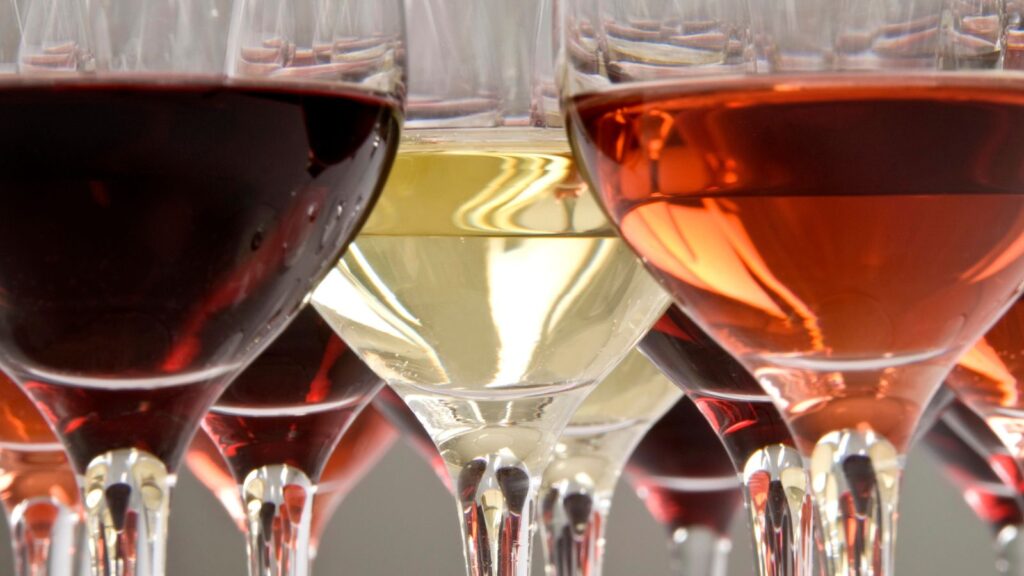
Removing alcohol from wine usually means running it through reverse osmosis, vacuum distillation or a spinning cone column. Each method pulls out the ethanol while trying to save everything else that makes a wine taste like itself. Aroma takes the biggest hit most of the time, since the same compounds that carry a wine’s scent often leave along with the alcohol.
Body and structure can suffer too, depending on the method. For years, protecting both in a red wine or an aromatic white has been one of the hardest problems in the category.
A Blind Tasting Rewarded the Hardest Styles
Judges at the World Alcohol-Free Awards tasted every entry without knowing the producer. They still handed out medals to nearly 200 alcohol-free wines this year, spanning reds, whites, rosé and sparkling styles.
Two of those medals were the top prize in their entire category. A pinot noir took Best Red Wine, and a riesling took Best White Wine, the same two styles considered hardest to fake.
American Demand Is Growing Fast
Sales figures back up what the judges found. Research tracking eight major wine markets shows U.S. volume for no-alcohol wine growing at a 23% compound annual rate between 2019 and 2024, part of a broader wave of growth across every market the report tracks.
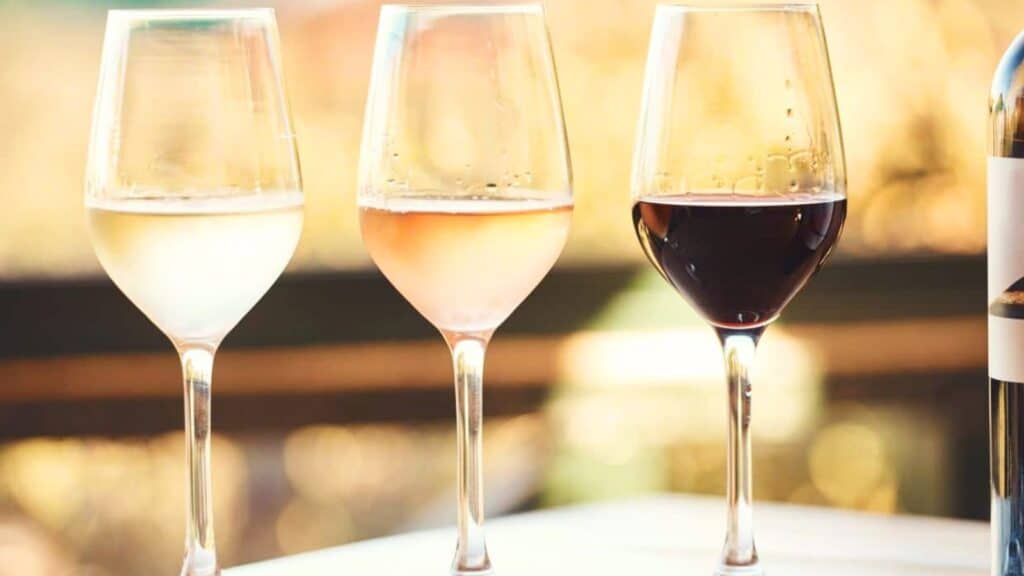
Millennials make up the largest share of no- and low-alcohol wine buyers across those eight markets, ahead of both Gen Z and older drinkers. Japan and Spain are the exception, where older consumers still lead the category instead.
Growth Brought a Harder Test
That growth comes with a catch. The same research points to rising price sensitivity and higher expectations around taste and quality as things that could still slow the category down. Price concerns pop up in almost every beverage trend, but taste and quality carrying just as much weight is different. The wine itself decides whether the growth holds, not the price on the shelf.
Most drinkers aren’t giving up alcohol completely either. They’re blending no-, low- and full-strength wine into the same week, picking whichever one fits the occasion. That means alcohol-free wine isn’t just competing with traditional wine as an idea.
Alcohol-free wine is competing against the same drinker’s full-strength bottle, sitting in the same fridge, on the same night. Drinkers are holding these wines to the standard of the real thing now, not just the standard of an interesting stand-in. That’s a harder bar to clear than the category faced even a few years ago.
So next time you’re scanning the alcohol-free aisle, don’t assume a pinot noir or a riesling is stuck being the safe backup. Grab one, pour it blind for a friend, and see if they can tell the difference.