
No-alcohol is surging in the United States, with volumes forecast to grow at an 18% annual rate from 2024 to 2028 as moderation goes mainstream. Drinks without alcohol are now part of how people think about balance, giving consumers choices that fit health goals and social life. Advances in brewing and distilling keep these options flavorful, while their growing presence on menus and store shelves makes them feel like a standard part of the lineup.
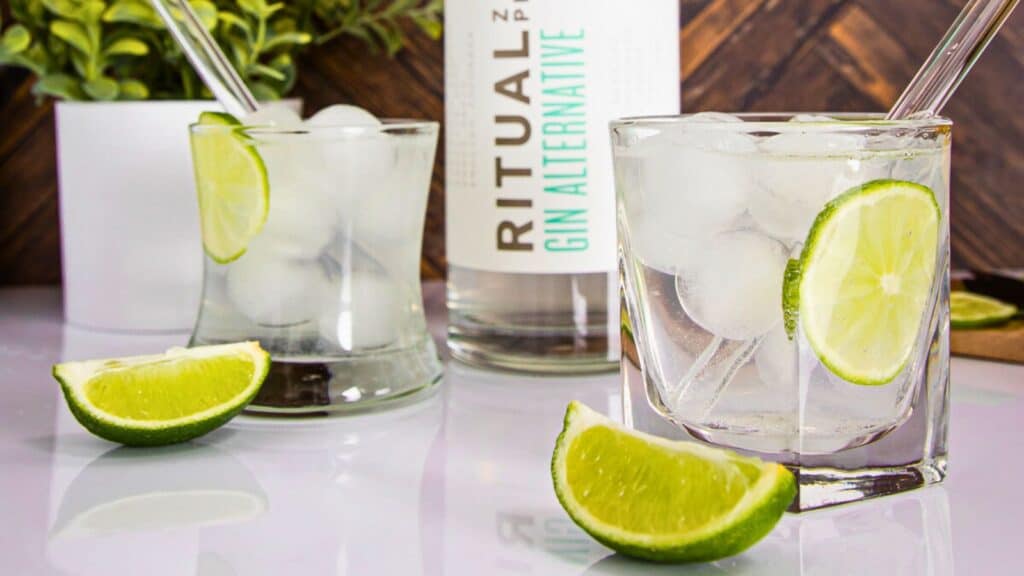
Brands are leaning into the sober-curious movement, presenting it as a welcoming choice instead of a restriction. Campaigns that focus on shared experiences and inclusivity, backed by sponsorships, keep non-alcoholic drinks visible in cultural spaces that have long been dominated by alcohol.
From niche to mainstream choice
No-alcohol drinks continue to grow in the U.S. market, with projections putting the value close to $5 billion by 2028. Beer still dominates the category, but the strongest growth is expected in smaller segments such as alcohol-free ready-to-drink beverages and emerging alternatives that sit beside traditional offerings.
Wine and spirits without alcohol are also climbing fast, giving more options to people who want the same variety without the booze. The pace suggests that what started as a niche choice is now becoming a regular part of how Americans drink.
Shifting culture of moderation
Moderation is moving into the mainstream as views on alcohol continue to change. A new record shows that 53% of U.S. adults now say that even moderate drinking is harmful to health, a big progress from just 28% a decade ago. Young adults lead the shift, but older groups are also more likely to see risks in having a daily drink.
Generational differences shape how no-alcohol products are used. Gen Z leans toward occasional moderation, while boomers are more likely to avoid alcohol altogether. The broader wellness culture, fueled by sober-curious movements and social media, has changed the idea that a night out requires alcohol. With less stigma around skipping drinks, people are finding it easier to socialize without raising a glass.
Expanding product innovation
Innovation is helping no-alcohol products win more space on the shelf. Producers are investing in brewing and distilling techniques designed to keep the depth of flavor without the kick of alcohol. Some use vacuum distillation, a method that lowers pressure so liquids boil at cooler temperatures, protecting the taste of delicate botanicals. The result is a growing lineup of spirits that mirror gin, tequila and whiskey, offering drinkers familiar profiles in alcohol-free form. Premium packaging and carefully blended recipes add to the appeal, presenting these bottles as crafted experiences rather than simple replacements.
Retailers and restaurants respond
Some retailers are quickly adapting to the demand for no-alcohol options. Grocery chains and specialty stores are giving more space to alcohol-free beer, wine and spirits, making them easier for shoppers to find. On the dining side, more restaurants are rolling out menus that put non-alcoholic choices front and center. Bars are joining in with zero-proof cocktail concepts that let social drinkers order something fun without alcohol. The combined effort across retail and hospitality shows that alcohol-free drinking is no longer an afterthought; it is now a regular feature of how people shop and dine with beverages.
Marketing mindful drinking
No-alcohol brands are leaning on marketing that makes mindful drinking feel open to everyone. Campaigns often center on inclusivity, turning a toast into something anyone can join. The sober-curious lifestyle centers on choosing to step back from alcohol, paying attention to how drinking affects daily life and exploring alternatives. Beyond social media, companies of non-alcoholic beverages are backing concerts, games and festivals to keep their names in front of crowds where drinks are part of the culture.
What to expect through 2028
The non-alcoholic category will expand steadily in the years ahead, as established alcohol companies put more resources into the space, creating stronger competition for smaller players. At the same time, shoppers are looking for drinks with added benefits such as natural ingredients or vitamin boosts, which is pushing brands to stretch beyond simply offering alcohol-free versions of classics. New product launches will keep awareness high, giving consumers more options and keeping the shelves in motion through 2028.
The path forward for no-alcohol
No-alcohol beverages are moving from niche to mainstream as more consumers lean toward moderation and wellness. Innovation in production and packaging keeps the shelves lively, and restaurants and retailers are giving the category greater visibility. Mindful drinking marketing continues to widen the audience, making alcohol-free options feel like a natural part of any occasion. With a steady growth forecast through 2028, these drinks are set to hold a lasting place in the U.S. beverage industry.
Jennifer Allen is a retired professional chef and long-time writer. Her work appears in dozens of publications, including MSN, Yahoo, The Washington Post and The Seattle Times. These days, she’s busy in the kitchen developing recipes and traveling the world, and you can find all her best creations at Cook What You Love.