
Harvest festivals in America started long before anyone carved a pumpkin or got lost in a corn maze. They run from late summer through November, driven by what the land produces and when it produces it, and they show up differently in every corner of the country. Every generation finds its own version and never quite lets it go.
Every fall, harvest celebrations draw crowds that can dwarf the permanent populations of the towns hosting them. Festivals tied to crops that have set regional calendars for generations attract visitors from well beyond their home communities. The tradition cuts across every region of the country and shows up in more forms than most people expect.
What is changing is the mix of activities Americans choose. A 2024 industry survey found 81% of U.S. households participated in at least one agritourism activity, up from 76% in 2023. But participation in fall corn maze and pumpkin patch festivals fell from 44% to 35% over the same period. The survey suggests that interest in farm-based experiences remained high even as participation in one of the most familiar fall formats declined.
A tradition older than the country
Across the Eastern Woodlands, Indigenous nations held distinct ceremonies tied to the arrival of new corn. Among the Muscogee, Cherokee, Seminole, Iroquois and other peoples, Green Corn ceremonies marked the ripening of the crop and could involve fasting, purification, feasting, dancing, thanksgiving and renewal. In some traditions, communities extinguished their fires and settled disputes as part of a broader cycle of renewal. Several nations still hold versions of these ceremonies today.
When European settlers arrived, they brought their own harvest traditions alongside. The English Harvest Home brought feasting, games and dancing after the reaping, a celebration of communal labor completed. The 1621 harvest celebration at Plymouth drew on the English colonists’ existing traditions of harvest feasting while also bringing them together with Wampanoag people. Edward Winslow’s surviving account describes three days of feasting and recreation, including military exercises, while Massasoit and about 90 men joined the gathering and brought five deer.
By the 1800s, Harvest Home and Thanksgiving celebrations increasingly shared similar practices, and communities across the Midwest gathered each fall to bake apple pies, carve pumpkins and compete in cornhusking contests. Many of those same activities show up at harvest festivals today.
What happens at a harvest festival
Harvest festivals today span a range that no single image captures. On one side sits the classic fall farm experience. Hayrides, pick-your-own pumpkins, corn mazes, fresh-pressed cider and apple cider donuts make up the standard roster.
These activities helped build an agritourism sector that generated $1.26 billion in U.S. farm and ranch income in 2022. The modern American corn maze dates to 1993, when the first was cut into a cornfield at Lebanon Valley College in Annville, Pennsylvania. It spread fast enough to become a fall institution.
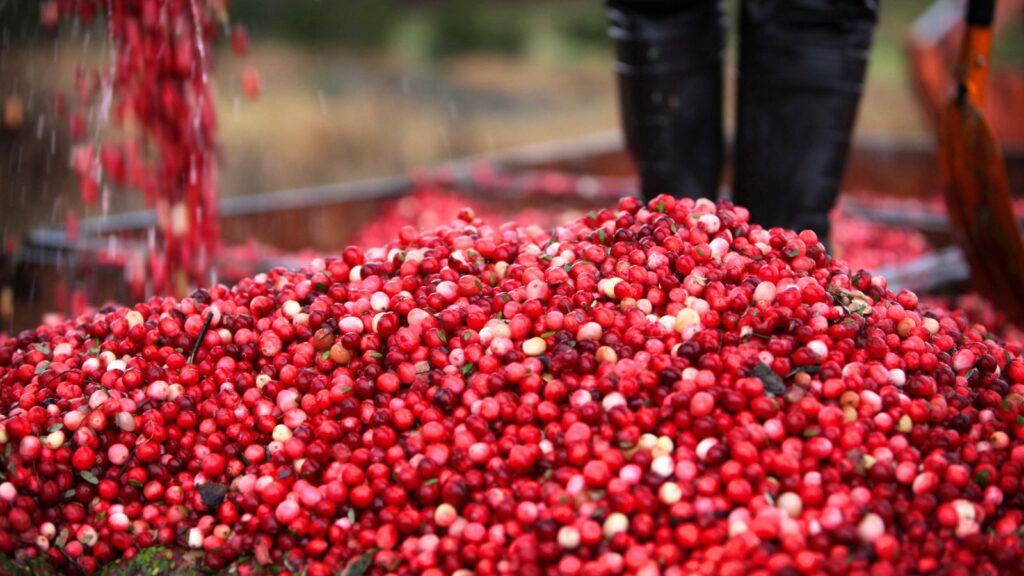
On the other side are harvest festivals built directly around a working crop at the moment of its harvest. Cranberry festivals in the upper Midwest draw visitors to flooded bogs that turn red during the fall harvest. Many New England orchards reach peak harvest in September and October, with farms offering tastings, pressing demonstrations and farm-to-table meals.
Grape harvest events across the West Coast often run from August into October, timed to the actual crush. The Louisiana Sugar Cane Festival in New Iberia has celebrated the region’s sugar industry since 1937, with the September event timed to the approach of the sugar cane harvest. Many hop harvest festivals in the Pacific Northwest coincide with the August and September picking season.
What all of these share is a calendar set by the crop. The harvest determines the date, and the festival grows around it.
The tradition keeps going
Rural recreation gained renewed interest in the 1930s, when city residents sought affordable getaways on farms during the Great Depression, an early form of the same appeal harvest festivals carry today. As more Americans have moved to cities and further from working farms, the distance from where food comes from has grown. Harvest festivals close some of that distance. Seeing a crop at the moment it becomes food, on the land where it grew, delivers something a grocery store aisle does not.
Overall agritourism participation grew in 2024 even as corn maze and pumpkin patch participation declined. The familiar pumpkin patch and corn maze remain part of the fall calendar, but they are only one piece of a much older tradition.
The harvest sets the table
Fall harvest festivals run from late summer through November, with timing set by what the land produces and where. The cranberry bogs flood when they flood, the apple crop peaks when it peaks and the sugarcane grinding season opens when the cane is ready. Harvest dates vary with weather, variety and region, but the underlying pattern holds: the land sets the schedule, and the celebration follows.
That specificity has given the harvest festival tradition its staying power across every iteration, from Indigenous ceremonies predating European contact to the cornhusking competitions of the 1800s to the first corn maze cut into a Pennsylvania cornfield in 1993. Each generation has found a new version of the same impulse and gathered around the harvest, wherever it happens, while it is happening. This fall, that tradition is playing out across the country.
Mandy is a luxury travel, fine dining and bucket-list-adventure journalist with expert insight from 47 countries. She uncovers unforgettable experiences around the world and brings them to life through immersive storytelling that blends indulgence, culture and discovery, and shares them with a global audience as co-founder of Food Drink Life. Her articles appear on MSN and through the Associated Press wire in major U.S. outlets, including NBC, the Daily News, Boston Herald, the Chicago Sun-Times and many more.