
Grocery stores stock only a handful of apple varieties, chosen because they hold up in cold storage, travel well and look consistent on the shelf. Many other varieties fell out of commercial production simply because they couldn’t keep up with large-scale growing, storage and distribution. A few fall festivals now build their whole draw around those left-behind apples, letting visitors taste fruit that barely resembles what they thought an apple was.
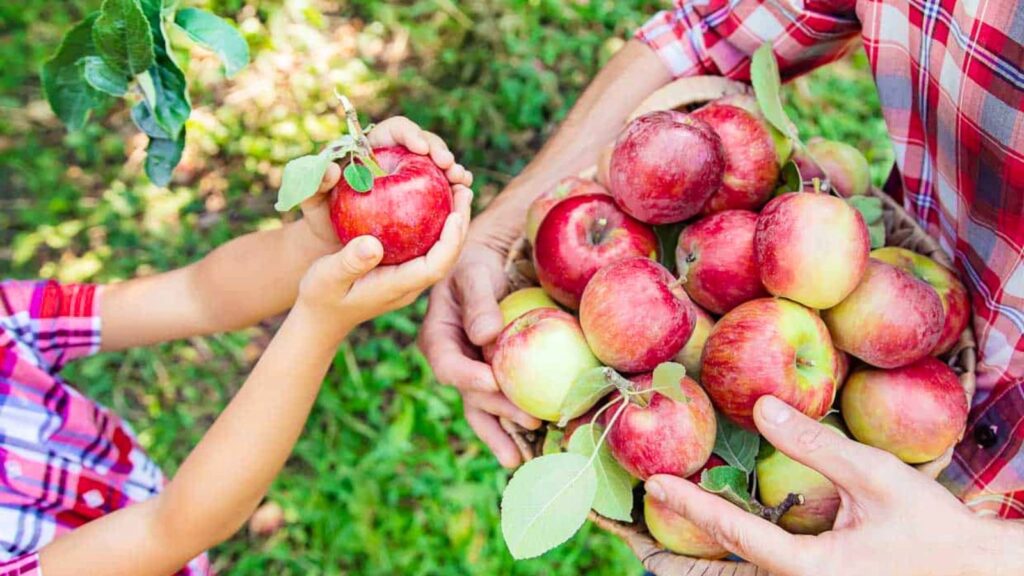
Every fall, a few apple-focused festivals bring those varieties back to people who have never had the chance to try them. Part of why most Americans never encounter them comes down to the demands of commercial distribution. Fruit that has to travel thousands of miles before anyone eats it needs to survive the trip, and not everything does. For many consumers, the easiest way to encounter left-behind varieties is at a fall tasting or farm festival.
5 apple varieties dominate the American apple crop
Gala, Red Delicious, Granny Smith, Honeycrisp and Fuji are the five leading named varieties in the forecast 2026/27 U.S. apple crop of 263 million bushels. Together, they account for roughly 58% of production. Gala leads at about 16%, followed by Red Delicious at 12%, Granny Smith at 11%, Honeycrisp at 10% and Fuji at 9%.
Production of Honeycrisp, Granny Smith, Cosmic Crisp and Pink Lady has grown over the past five years, while Gala, Red Delicious and Fuji have declined. But the commercial lineup is still a sliver of what exists. More than 7,500 apple cultivars exist worldwide, while the commercial market relies on a relatively small group.
Tasting tables with apples the grocery store won’t carry
At Scott Farm in Dummerston, Vermont, the farm grows more than 100 heirloom apple varieties, and its annual Heirloom Apple Day brings apple tastings, talks and displays to visitors. The property has grown fruit continuously since 1791 and sits on the National Register of Historic Places. The 23rd annual event runs Oct. 11, 2026.
Three thousand miles west, Gold Ridge Organic Farms in Sebastopol, California, wraps the tasting in a full culinary program. The farm grows more than 70 heirloom apple varieties, and its fifth annual Heirloom Apple Festival on Sept. 19, 2026 features tastings alongside local cheese pairings, cooking demonstrations and orchard tours led by founder Brooke Hazen.
Visitors press their own juice on a hand-turned cider press and walk the rows with the farmer who planted them. The farm recently opened the Heritage Apple Press, a new processing facility in nearby Santa Rosa designed to provide fresh-pack and custom-pressing services to small growers in Sonoma County and beyond.
The festivals where making the food is the main event
The Bayfield Apple Festival in northern Wisconsin started because of a flat tire. In the early 1960s, a local orchardist named Jim Erickson was hauling apples to North Dakota when his truck broke down in Duluth. While he waited for a spare, 25 people bought apples from the truck. He went home and asked why Bayfield’s growers were driving hundreds of miles to sell what people clearly wanted close by.
Now in its 64th year, the Bayfield Apple Festival draws more than 65,000 visitors over three days in early October, spreading across a Lake Superior shoreline community where the orchards open for tours and the Bayfield Fruit Loop connects farms across the county. Hauser’s Superior View Farm, a five-generation operation with a red barn ordered from a Sears catalog, is among the orchards that still grow older apple varieties the commercial market moved past.
At the Berkeley Springs Apple Butter Festival in West Virginia, the apple becomes something you make with your hands. Now in its 51st year, the festival fills the downtown’s cobblestone side streets with copper kettles set over open wood fires. Volunteers stir apple butter with long wooden paddles for hours, seasoning it as it thickens, and visitors can take a turn at the paddle. Tens of thousands of tourists make the trip each year, and vendor space is full for 2026.
The orchards are still planting
What connects these four festivals is that each one is organized around something the apple actually does, whether that is a flavor worth studying, a cooking tradition worth keeping alive or an orchard’s living collection worth walking through. The commercial apple industry is planting new varieties and responding to what buyers want, but the grocery store will always be a narrow window into a fruit with thousands of expressions.
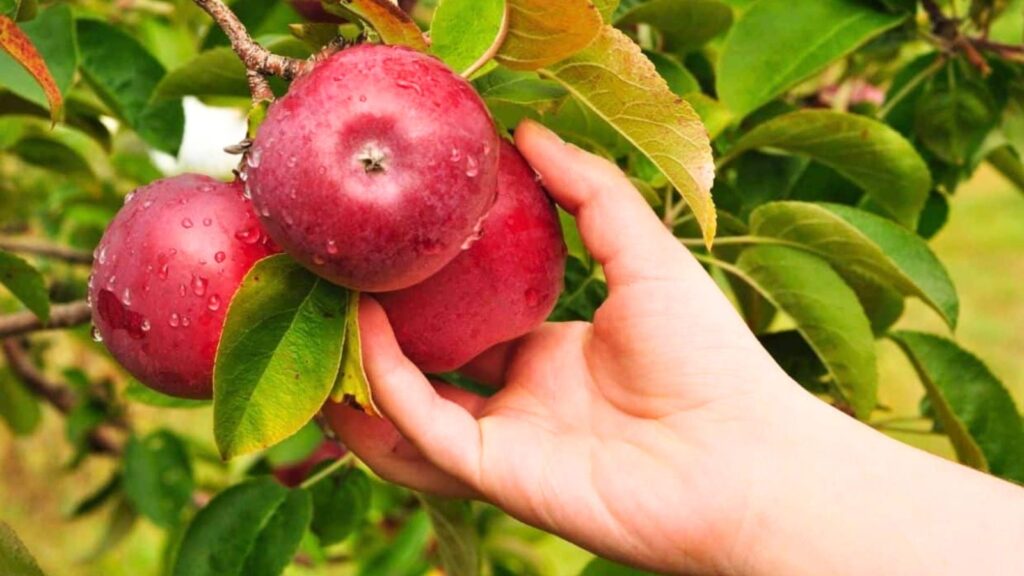
The orchards behind these festivals are still planting and grafting trees to preserve varieties that might otherwise disappear, stocking tasting tables with cultivars that survived only because someone kept tending them after the market moved on. Apple harvest stretches from late summer into fall in many U.S. growing regions. The fruit is not the kind of thing that waits.
Mandy is a luxury travel, fine dining and bucket-list-adventure journalist with expert insight from 47 countries. She uncovers unforgettable experiences around the world and brings them to life through immersive storytelling that blends indulgence, culture and discovery, and shares them with a global audience as co-founder of Food Drink Life. Her articles appear on MSN and through the Associated Press wire in major U.S. outlets, including NBC, the Daily News, Boston Herald, the Chicago Sun-Times and many more.