
Every September, before the cold arrives, people reach for recipes they have not touched since last winter. Food psychologists have spent years trying to understand why that craving is punctual, precise and impossible to satisfy with anything new. The answer goes deeper than you might imagine.
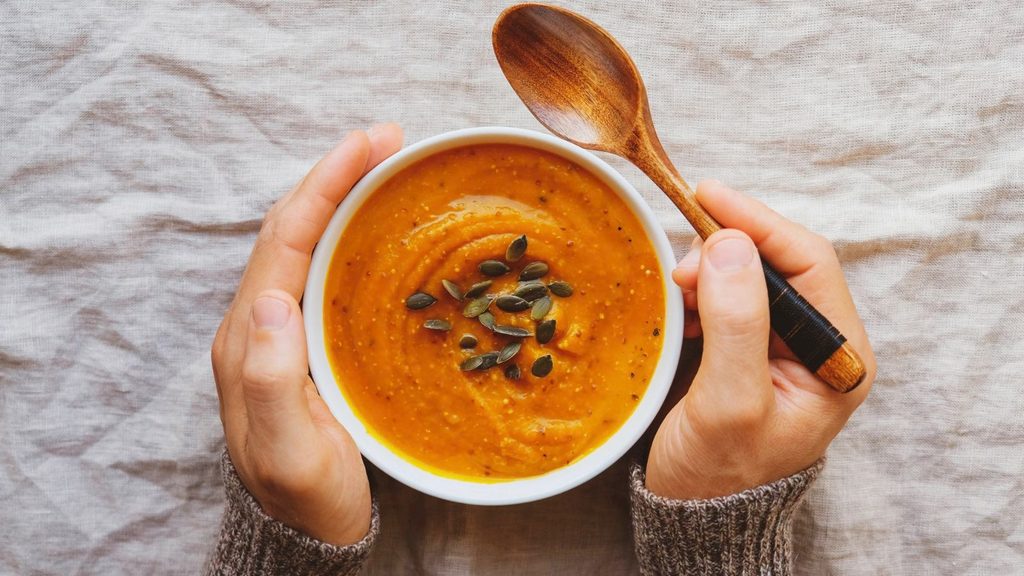
Food psychologists studying why comfort-food cravings run so deep have found that those dishes’ power lives in memory. Not in the recipe or the technique, but in a table, a person or a moment when life felt manageable. The food is almost incidental to what it brings back.
A 2026 national survey of more than 2,000 American adults found that nearly half say foods often labeled “bad” or off-limits are worth eating precisely because they bring comfort or reduce stress. Three in 4 said flavor and personal satisfaction matter more to them than any set of nutritional rules when deciding what to cook. For most Americans, reaching for a comforting dish is an emotionally deliberate act, and September is when that impulse tends to surface.
What September stirs up
September carries particular weight for most American adults. Back-to-school associations, shifting routines and the cultural sense that summer is over create a moment of transition that researchers say can activate seasonal food memories. Familiar foods tend to become more appealing during periods of change, when the emotional landscape feels less certain, and September reliably delivers that feeling for many people.
Hundreds of culinary professionals named comfort and nostalgia among the defining trends on American menus this year, with familiar classics like soups and stews cited as delivering nostalgia and emotional connection for diners. The same appetite shows up in home kitchens every fall, driven by something older and more personal than menu trends.
Memory is the main ingredient
Research on food nostalgia has found that familiar dishes boost comfort largely by activating a sense of social connectedness. In interviews with 27 demographically diverse participants, nearly every person described a deep emotional attachment to specific dishes they ate as children, tied to the people who made them. Those foods were, as one researcher described it, a way to feel safe, content and connected.
For many people, that shows up in the specificity of the craving. The longing is often not for pot roast in general but for a particular version of it, from a particular pan, associated with a particular person. A new recipe, however good, tends not to satisfy it in the same way. The comfort lives in the association, not the dish.
Comfort food is personal, not universal
Psychologist Joyce Brothers apparently coined the term in a 1966 newspaper column, writing that adults under stress turn to food associated with childhood security, like a mother’s poached egg or chicken soup. That was more than 60 years ago, and researchers have been tracing the concept ever since. What they keep finding is that it resists generalization. What qualifies as comfort is shaped by individual experience: what you ate in childhood, who cooked it, what occasions it belonged to and what emotions it held.
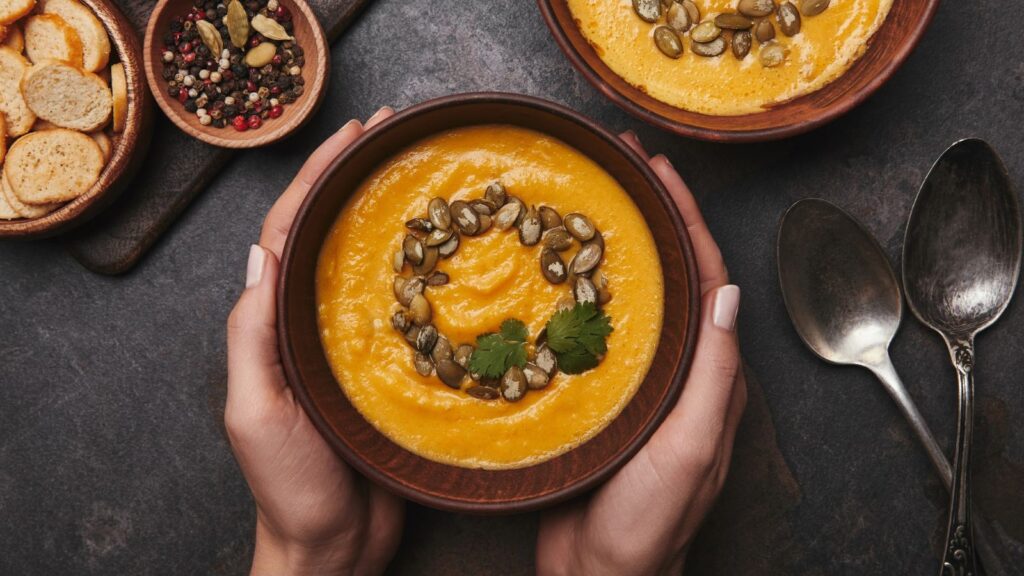
One person’s September craving is chicken and dumplings. Another’s is a specific boxed mac and cheese their parents always kept in the cabinet. Someone else is reaching for their father’s chili recipe, handwritten on a notecard held to the refrigerator with a magnet. None of these are interchangeable. September comfort food is simultaneously universal and deeply private; millions of people are doing the same thing in their kitchens, and almost none of them are cooking the same dish.
Before the cold arrives
September’s comfort-food moment is partly cultural and only partly explained by science. Seasonal cues like the back-to-school schedule, the change in light and the different quality of the air can evoke autobiographical memories and draw up associations with earlier times, though researchers are careful to note that these effects vary by person and circumstance.
What the research does establish more firmly is that when a food is tied to a person or a place, recalling that food can activate genuine feelings of comfort and social connectedness, even before a single bite is taken. September becomes the occasion, the food becomes the medium and what it actually delivers has less to do with what is in the pot than with who used to stand over it.
What comfort food is actually for
As food psychology gets more precise about why certain dishes feel irreplaceable, the field is steadily redefining what cooking for comfort actually means. Reaching for a familiar dish during a difficult season is fundamentally a social behavior; a way of closing the distance between the present and the people who belong to it. September just happens to be when that need surfaces loudest.
Mandy writes about food, home and the kind of everyday life that feels anything but ordinary. She has traveled extensively, and those experiences have shaped everything, from comforting meals to small lifestyle upgrades that make a big difference. You’ll find all her favorite recipes over at Hungry Cooks Kitchen.