
For a few weeks each September, Europe’s wine regions stop being places to visit and become places at work, with grapes coming off the vines and visitors joining harvest programs inside working vineyards. In the villages below, festival tents fill up with foods and drinks tied to the harvest. Working vineyards open their gates for experiences that disappear once the grapes are in.
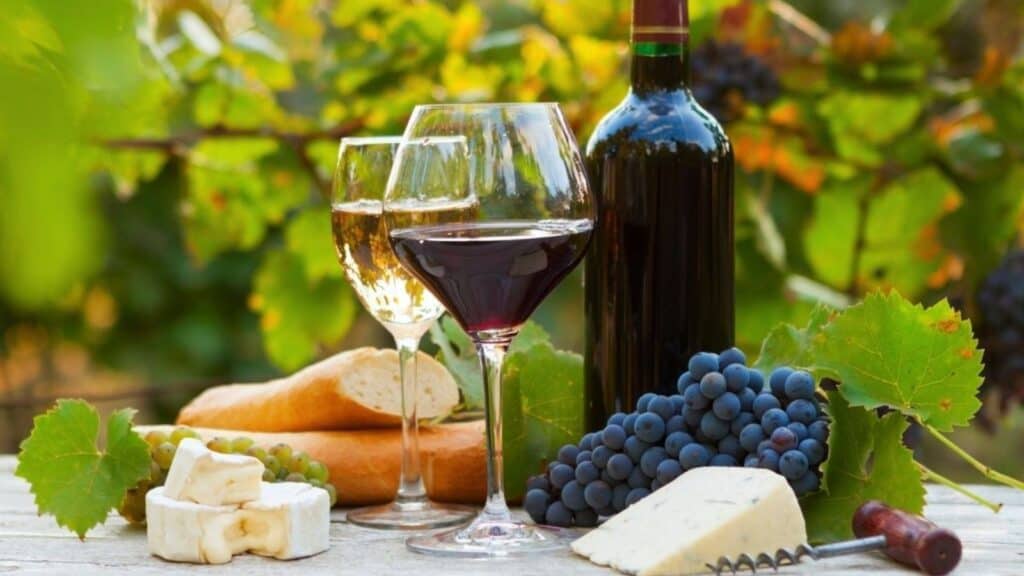
September gets filed under “shoulder season,” travel-industry shorthand for the gap between the summer crowd and the holiday rush: serviceable, less expensive, perfectly fine. That label is accurate on price and wrong on experience, because September delivers a season in its own right across the continent. For travelers who eat and drink their way through a destination, it is the one worth planning around.
Europe is a global anchor for cultural, culinary and journey-based travel in 2026, with six of the top 10 global destinations in current analysis being European. The travelers driving that demand are prioritizing cultural experiences and food. For food and wine travelers, September is when several of Europe’s most distinctive seasonal experiences overlap.
September is peak harvest season in European wine country
The Sangiovese grape is a late ripener, and that fact, more than any travel calendar, is what makes late September in Tuscany worth building a trip around. While earlier-ripening white varieties come off the vine first, Sangiovese, the backbone of Chianti Classico and Brunello di Montalcino, is a later-ripening grape, with harvesting often beginning in the second half of September and extending into October depending on the vintage and vineyard. September is an ideal time to visit Tuscany for the grape harvest.
Properties like COMO Castello del Nero in the Chianti Classico zone offer structured harvest experiences on selected days throughout September: vineyard walks, hand-picking in the rows, traditional grape stomping in stone lagares. During this window, winemaking teams are working at full intensity, and visitors who book a structured harvest program get a closer look at the agricultural work behind the wine. September can also mark the beginning of porcini season in parts of Tuscany, with the mushrooms appearing on restaurant menus and market stalls as autumn conditions arrive.
The world’s oldest demarcated and regulated wine region, and Wine Enthusiast’s 2025 International Wine Region of the Year, the Douro Valley in northern Portugal typically holds its vindima in September, with some harvest activity continuing into October.
This year CP Comboios de Portugal is running harvest day trips on Sept. 19 and 26, departing Porto on a morning train with bar service and transferring to Quinta da Avessada in Favaios. There, visitors pick grapes with scissors and straw hats, sit down to a regional harvest lunch and then stomp grapes in granite lagares to traditional Douro music. The terrace vineyards drop steeply to the river in colors that shift from green to gold as the month moves forward.
River cruise operators are also running September vindima programs on the Douro. A harvest season guide for the region makes the point that the harvest exists with or without visitors, and being invited into it is the thing.
Oktoberfest brings its own harvest traditions to Munich
Munich has its own September event, and it has nothing to do with grapes. On Sept. 19, Munich’s mayor tapped the first barrel in the Schottenhamel tent and opened the 191st Oktoberfest on the Theresienwiese. The world’s largest folk festival runs 16 days, bringing Bavarian food and beer traditions into the same September travel window as Europe’s wine harvests.
The food is as specific and as seasonal as any vendemmia lunch: whole roasted chickens pulled from rotisseries, pretzels the size of steering wheels, beer served by the liter from Munich’s six traditional Oktoberfest breweries. Entry to the grounds is free, and the festival runs through Oct. 4.
Champagne in September is a different kind of visit
The 2026 harvest began as early as Aug. 6, with widespread picking from Aug. 17, what the region’s official wine body describes as unprecedentedly early. September in Champagne is post-harvest, making it a different kind of visit from Tuscany or the Douro.
The cellars under Reims and Épernay are open, the new vintage is fermenting in tanks, and the first autumn colors are beginning to appear across the Montagne de Reims. Wine tourism specialists point to late September and October as one of the two best windows to visit the region, alongside late spring, because the harvest pressure has lifted and the houses have time for visitors again.
October opens with truffle season in Piedmont
The wine capitals network, connecting Porto, Bilbao, Bordeaux and nine other wine cities across five continents, exists in part to promote exactly this kind of seasonal wine tourism. On Oct. 10, the 96th Alba International White Truffle Fair opens in Piedmont, running on weekends through Dec. 6.
The fair attracts more than 600,000 visitors each year to buy fresh truffles from hunters and authorized dealers in the Cortile della Maddalena. The regulated truffle season in Piedmont opens Oct. 1, which means that as the wine harvests wind down, the next harvest on the calendar is already beginning in the Langhe hills. For travelers whose trip straddles the month’s turn, two distinct harvest seasons are happening at once.
Jennifer Allen is a retired chef turned traveler, cookbook author and nationally syndicated journalist; she’s also a co-founder of Food Drink Life, where she shares expert travel tips, cruise insights and luxury destination guides. A recognized cruise expert with a deep passion for high-end experiences and off-the-beaten-path destinations, Jennifer explores the world with curiosity, depth and a storyteller’s perspective. Her articles are regularly featured on the Associated Press Wire, The Washington Post, Seattle Times, MSN and more.