
Use of GLP-1 weight-loss drugs has surged in just two years, and medical groups have said most people taking them aren’t getting enough nutrition and behavioral support. Hilton Head Health Wellness Resort & Spa, which is marking its 50th year in South Carolina, says GLP-1 medications “change biology, not behavior.” The resort’s GLP-1 program aims to help guests keep their results whether they stay on the drug or come off it.
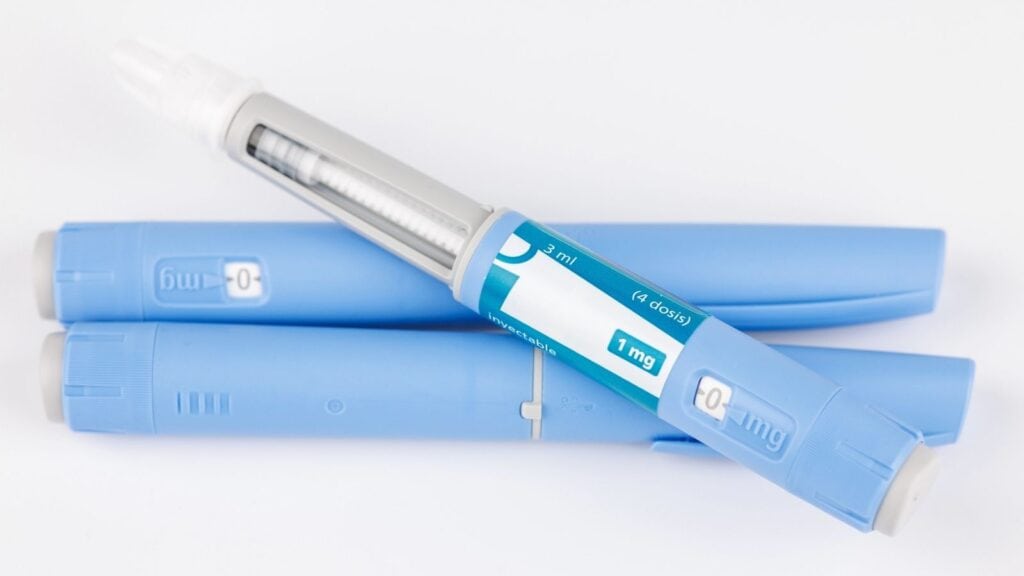
The share of U.S. adults taking a GLP-1 for weight loss has climbed from 3% in 2024 to 11% this year, and 15% have used one at some point. Four medical and nutrition organizations said in a joint advisory that most people prescribed GLP-1s lack adequate nutrition counseling and behavioral support.
Lead author Dariush Mozaffarian of Tufts University said the drugs alone are not enough. Studies the advisory cites found that patients who got structured nutrition guidance along with the drug lost more weight, stayed on treatment better and were more likely to keep the weight off after stopping.
H3 began as a 4-week hospital retreat
Behavioral psychologist Dr. Peter Miller founded Hilton Head Health, which regulars call H3, in 1976 as an alternative to “fat farms.” It began as a four-week retreat run out of the island’s regional hospital, and this year the resort marks its 50th anniversary.
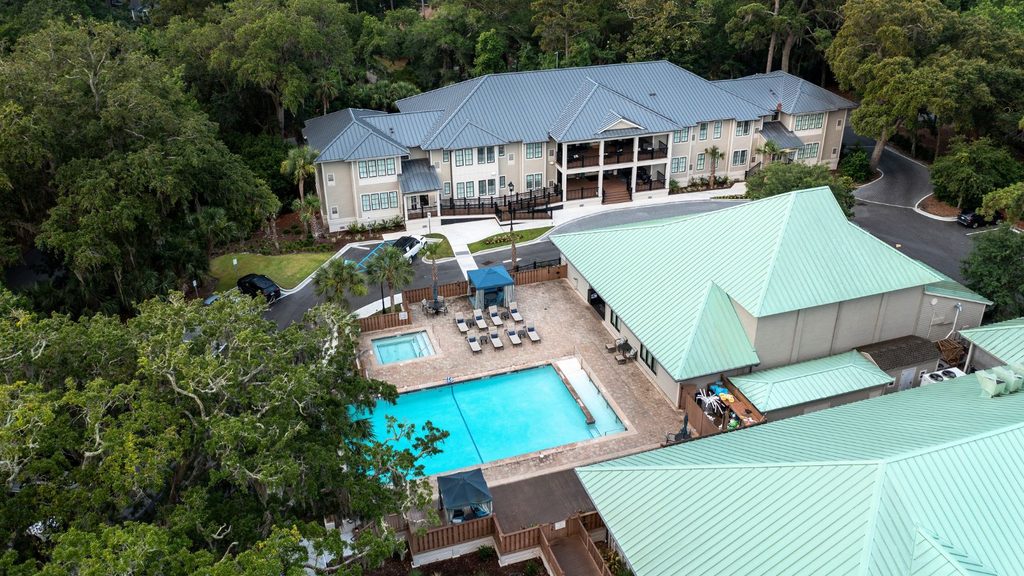
H3’s chief operating officer Jill Boyd said the core concept has stayed the same for 50 years: lifestyle change. The resort now offers several programs, including the GLP-1 Support Experience and a seven-day Blue Zones Experience developed with Blue Zones.
The GLP-1 program lists muscle preservation first
H3 lists four components for the GLP-1 program: muscle preservation, chef-crafted meals with protein guidance, a mindset reset and recovery options such as a cold plunge and sauna. It describes the muscle piece as targeted strength and recovery work aimed at holding on to lean mass. The advisory names muscle and bone loss among the challenges of GLP-1 treatment, and its eight priorities include adequate protein and strength training to preserve lean mass.
Anne Poirier, H3’s director of behavioral health, handles the therapy-like side of things, discussing topics like body image and sleep. Elizabeth Huggins, a registered dietitian and certified diabetes care and education specialist at H3, said, “… the resort does not prescribe medication and is not trying to put anyone on or off it. It helps if guests new to a GLP-1 start before they arrive, so side effects show up at home and not partway through a stay.”
Huggins has seen many health trends come and go. “Tried-and-true habits are not trendy,” she said, and some classes dispel the ideas people get hung up on, because consistency matters more.
Guests build their own schedule at H3
Guests set their own pace at H3. The educational component of the GLP-1 program runs about two hours a day, starting with what the medication is and ending with what comes next after guests go home. Beyond that, they can choose from more than 100 classes a week, ranging from pool yoga and aqua classes to strength training and Tabata, with fun classes like boxing mixed in. The classes take place in a large pool and several workout rooms and studios. Groups stay small, and all body types and ages are always welcome.

The Indigo Spa on campus offers everything from facials and massages to recovery treatments and nail services. Guests who want more personal attention can add assessments such as blood work and nutritional panels or book private sessions with trainers and behavioral counselors. An included resort credit can go toward those and the spa. Between the education, classes, meals and spa, each guest decides how full to make their day.
Chef-prepared meals
Executive chef Thomas Carrig’s delicious and creative meals run 250 to 350 calories, and guests can add to each one to match their protein and caloric needs. Huggins said, “Often guests will say that when they sit down to eat their first meal or two that they notice the portions of starchy side items are not as large as most restaurants and think that the meal might not be filling … and then, by the end of their meal, they are amazed at how satisfied they feel.”
“H3 maximizes the use of lightly sautéed and oven roasted low carb veggies to help promote satiety without the calories. For guests with higher calorie needs, there is always flexibility to increase portions, so each guest can get what they need,” Huggins explained.
She added that guests are also surprised that healthy food can taste delicious without heavy cream sauces or lots of butter, and that the fried “brown food” they have been eating “misses the mark” on plate appeal. Huggins said prepared meals also ease some of the tension guests feel about food at home, and that classes focus on what guests can eat and enjoy, not what they should avoid. A popular chef’s table dinner and private or group cooking classes are also available throughout the week.
H3 is small, intimate and popular with solo travelers
Part luxury resort and part wellness facility, Hilton Head Health is a special place: small and intimate, caring and welcoming, with guests who get to know each other. It is a popular spot for solo travelers, and the camaraderie that forms among them is a large part of the draw. Many form friendships that last for years, and Huggins said returning guests sometimes meet at H3 and come back together year after year.

She wishes people knew “how easy it can be to connect” with other guests when traveling on their own, including women who were unsure about coming alone. Staff and guests do not judge, and dress is casual. Guests stay in the 30-room Sweetgrass Inn or in private villas, and Huggins said the Inn’s closeness to the main building makes it feel convenient and safe for guests traveling alone.
Huggins’ advice to anyone arriving: “Keep an open mind. Often, guests say what they thought they were coming for can shift by the end of their stay as they explore health, wellness and self-care.”
Resources and fellowship at H3
For people on a GLP-1 who feel alone or unsupported, H3 offers both halves of the answer. The resources are there: a dietitian, a behavioral health director, strength classes and a kitchen that plans around protein. So is the fellowship, in a resort where many guests travel alone, and the friendships tend to outlast the stay. Nobody has to work it out alone.
Jennifer Allen is a retired chef turned traveler, cookbook author and nationally syndicated journalist; she’s also a co-founder of Food Drink Life, where she shares expert travel tips, cruise insights and luxury destination guides. A recognized cruise expert with a deep passion for high-end experiences and off-the-beaten-path destinations, Jennifer explores the world with curiosity, depth and a storyteller’s perspective. Her articles are regularly featured on the Associated Press Wire, The Washington Post, Seattle Times, MSN and more.