
Perfect seals can give you false confidence. A jar may look fine yet still be unsafe if the food was processed with the wrong method. Fall preserving works best when each crop is matched to a tested recipe, the right acidity, and the right canning method. These eleven foods can carry the harvest beyond the season without gambling on pantry safety.
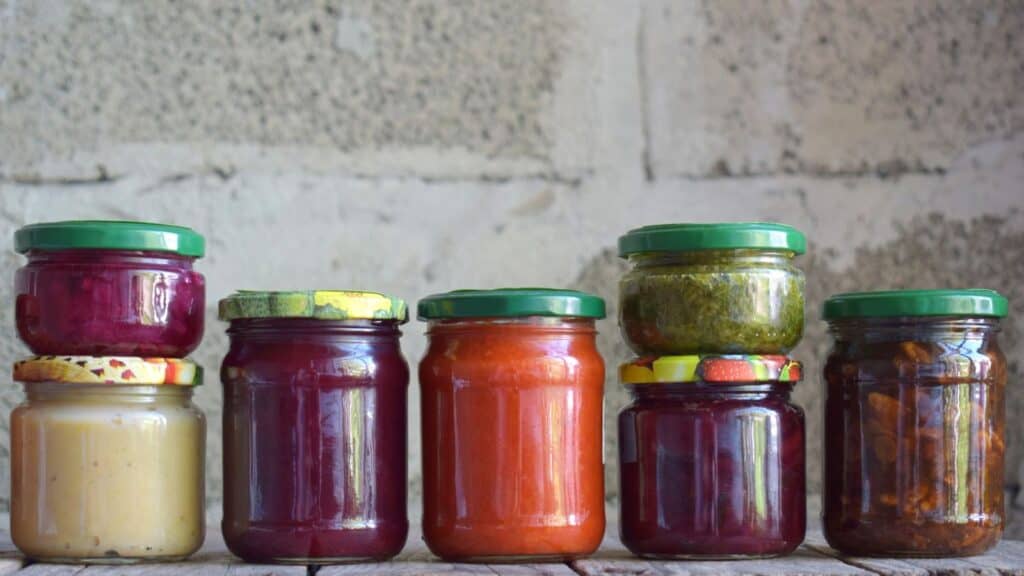
Apples and Applesauce
Applesauce is a friendly starting point. NCHFP gives a tested boiling-water process: cook the apples until tender, make the sauce, reheat it to boiling, and pack it hot. Processing time changes with jar size and elevation. A pressure canner is not required for this tested method.
Tomatoes Need Added Acid
Tomatoes need added acid. NCHFP calls for 1 tablespoon bottled lemon juice per pint or 2 tablespoons per quart for whole, crushed or juiced tomatoes. Citric acid is another option. Five-percent vinegar can also be used at the listed amounts, though it may change the flavor.
Pears Need the Right Recipe
Standard pears can be hot-packed in water, apple juice, white grape juice or syrup, then boiling-water canned. Asian pears need added acidity: 1 tablespoon bottled lemon juice per pint or 2 tablespoons per quart. Check the variety before treating every pear the same.
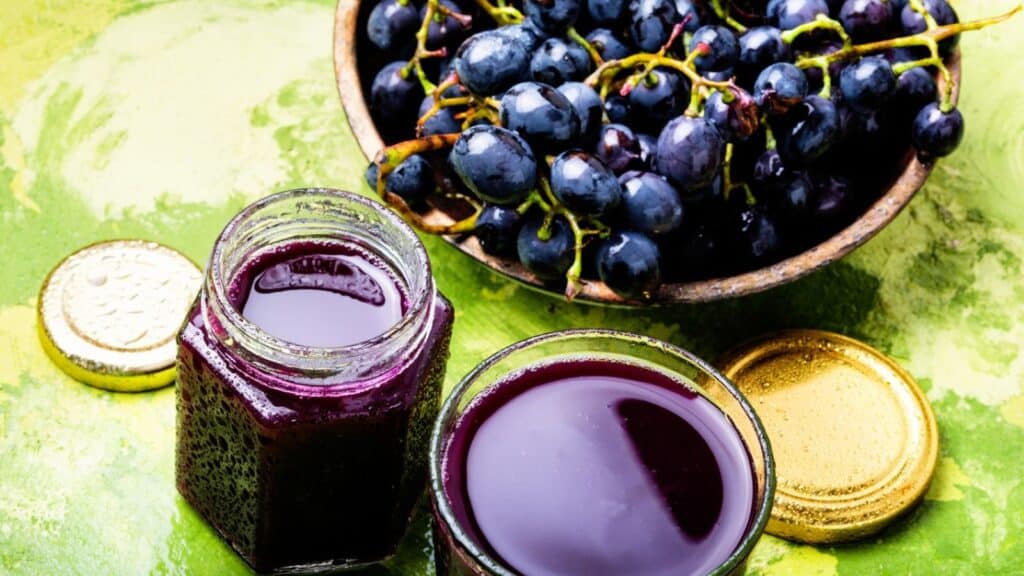
Grape Juice Settles Before Canning
Grape juice settles before canning, not afterward. NCHFP says to extract and strain it, refrigerate it for 24 to 48 hours, then pour the clear juice away from the sediment. Reheat the clarified juice to boiling, fill the jars, and process in a boiling-water canner.
Pickled Hot Peppers Need a Tested Brine
Pickled hot peppers can be boiling-water canned when you use a tested recipe. NCHFP’s version uses 5 cups of 5% vinegar, 1 cup of water, and fixed ingredient amounts. A casual splash of vinegar is not a substitute for the tested proportions.
Low-acid vegetables need pressure. NCHFP says low-acid foods should reach 240°F to 250°F in a pressure canner, with the process depending on the food, jar size, and packing method. Elevation matters too. Follow the pressure and time listed for where you live.
Pumpkin and Winter Squash Must Stay Cubed
Pumpkin and winter squash can be pressure canned as 1-inch cubes. NCHFP specifically warns not to mash or puree them before canning. Pints process for 55 minutes and quarts for 90 minutes, with pressure adjusted for elevation. For pies, puree the cubes after opening.
Green Beans Belong in a Pressure Canner
NCHFP states there is no safe boiling-water option for green beans. Its tested pressure-canning time is 20 minutes for pints and 25 minutes for quarts, with pressure adjusted for elevation. Follow the table that matches your canner type.
Whole-Kernel Corn Takes Time
Whole-kernel corn also goes into a pressure canner. NCHFP lists 55 minutes for pints and 85 minutes for quarts, with pressure adjusted for elevation. Those times apply to both hot-packed and raw-packed kernels in the tested directions.
Carrots Need Pressure Too
Carrots can be canned sliced or diced under NCHFP’s pressure-canning directions. The tested process is 25 minutes for pints and 30 minutes for quarts, with pressure adjusted for elevation. Salt is optional, so seasoning the jar does not replace the heat process.
Beets Split Into Two Methods
Plain beets and pickled beets follow different methods. Plain beets are pressure canned for 30 minutes in pints or 35 minutes in quarts. NCHFP’s pickled version uses 5% vinegar and a boiling-water canner. Follow the recipe amounts, not an improvised splash of vinegar.
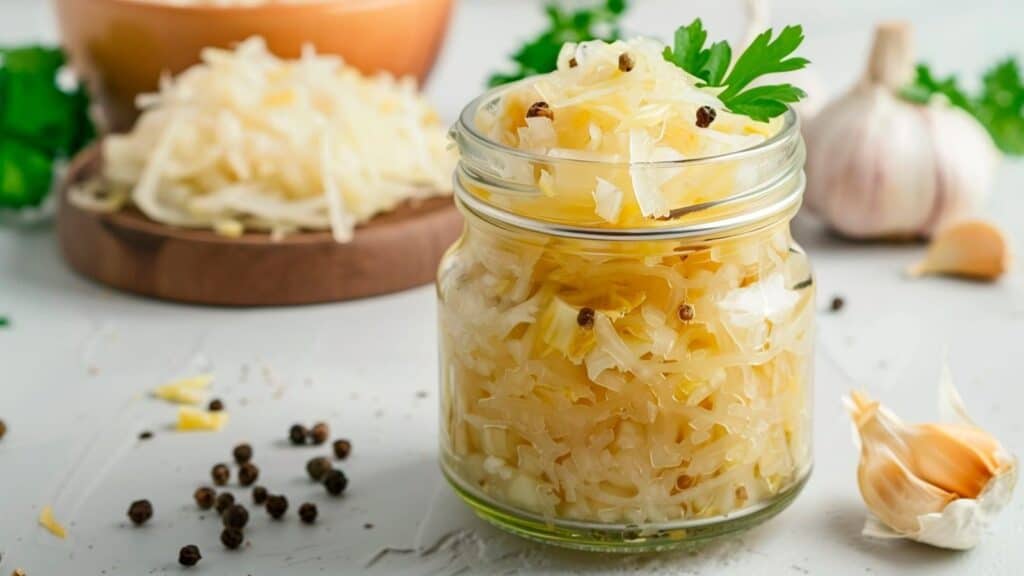
Sauerkraut Uses Fermentation First
Sauerkraut starts with fermentation rather than vinegar. NCHFP combines shredded cabbage with canning or pickling salt and recommends 70°F to 75°F, where fermentation takes about three to four weeks. Fully fermented kraut can be refrigerated for several months or boiled-water canned.
What Makes a Pantry Worth Trusting
Home preserving works best when confidence comes from the method, not the lid. Acidity, jar size, packing method, elevation, and processing time can change what a safe process requires. Current NCHFP, USDA, or university extension guidance keeps those details together. Following the tested recipe is what lets fall food stay useful long after the season ends.