
Harvest photos can make a bottle feel immediate, but wine runs on a slower clock. Grapes picked before sunrise this fall may not show up on a shelf for years, while bottles labeled with older vintages are only now arriving. Once you understand how picking dates, ripeness, and release rules work, the wine aisle starts telling a much clearer story.
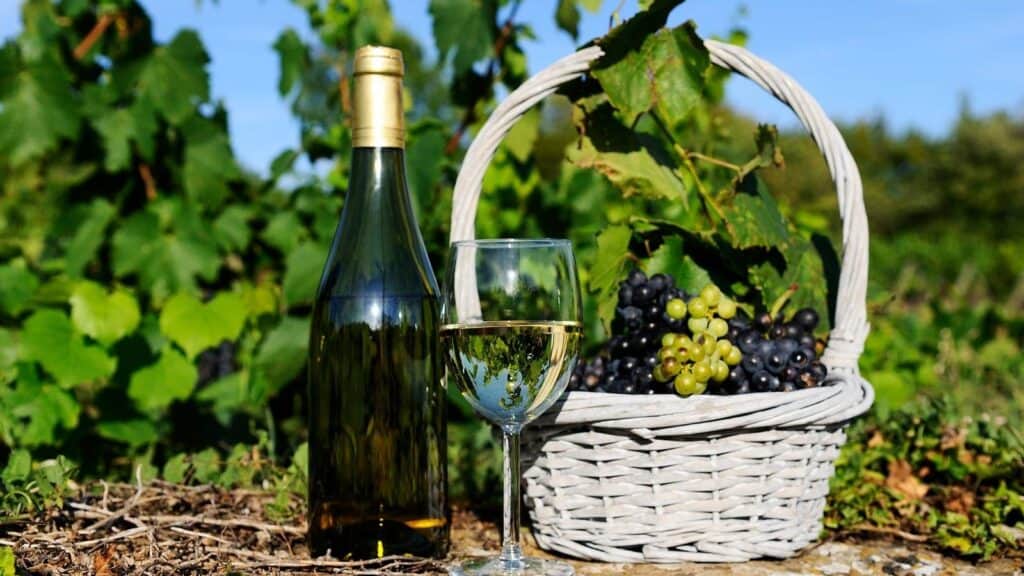
Why So Many Grapes Come in After Dark
In Sonoma County, night harvesting has become common because cooler air helps grapes arrive at the winery naturally chilled. Sonoma County Winegrowers says nighttime temperatures can be as much as 40°F below daytime highs. That can reduce cooling needs, slow oxidation and give sugar and acid levels more time to stabilize before processing.
Ripeness Is More Than a Sugar Reading
Grapes are not picked by calendar alone. Winemakers track sugar, acidity and pH, then taste the fruit for aroma, flavor and tannin development. University of Maryland Extension says grape maturity does not always line up with a preferred sugar-and-acid range. A ripe-looking cluster can still need more time.
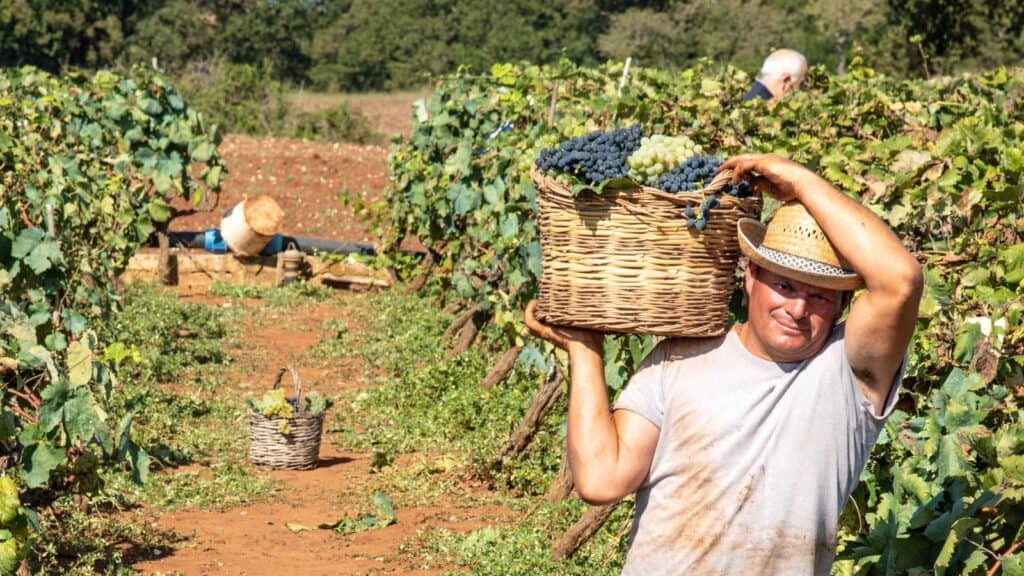
Champagne Still Picks Every Bunch by Hand
Champagne is a clear exception to machine harvesting. Comité Champagne says the region’s harvest is carried out entirely by hand, with roughly 120,000 seasonal workers taking part. Careful picking keeps clusters intact and helps limit skin contact with juice from dark grapes before pressing, which matters when making white Champagne.
Napa’s 2026 Harvest Started in July
Napa Valley’s 2026 harvest opened unusually early. Round Pond Estate picked six and a half tons of Chardonnay for sparkling wine in July, making it the first pick of the valley’s season. Sparkling grapes often come off the vine first because winemakers want the bright acidity and freshness that earlier picking can preserve.
At Chandon, the Crop Is Lighter Than Expected
Early does not automatically mean abundant. Chandon California says its 2026 sparkling-wine yields are running about 15% to 20% below expectations, largely because of smaller cluster weights. The winery still describes the fruit quality as promising. That is a useful reminder that crop size and fruit quality are not the same measurement.
Sonoma Started Weeks Ahead of Last Year
Sonoma County also got an unusually early start in 2026. Sonoma County Winegrowers said harvest had already begun in parts of the county several weeks earlier than last year, after an early growing season and reduced yields during bloom. The group described the crop as light while pointing to healthy vines and promising fruit quality.
Vintage Year Does Not Mean 100 Percent
In the U.S., a vintage date does not promise that every drop came from that harvest. Federal rules say a vintage-dated wine that names an AVA, such as Napa Valley, must be at least 95% from grapes harvested in the labeled year. With a non-AVA appellation, the minimum drops to 85%.

New Releases Can Wear Much Older Vintage Dates
Release calendars make the gap easy to see. Silver Oak’s current page identifies its newest Alexander Valley Cabernet Sauvignon as the 2022 vintage, even though its release event took place in 2026. A bottle can be brand new to the market while the grapes behind its vintage date are several years old.
Beaujolais Nouveau Breaks the Waiting Pattern
Beaujolais Nouveau goes the opposite direction. The regional wine organization says Nouveau is released on the third Thursday of November, just weeks after harvest, and is made to be fresh, delicate, and fruit-driven. It is one of the clearest ways to taste the year’s harvest before the year ends.
The Calendar Is Part of the Bottle
Wine makes more sense when you read the calendar as closely as the label. Harvest tells you when the fruit left the vine; release tells you when the producer decided it was ready to sell. Those are different pieces of information. Once you separate them, vintage dates stop looking like decoration and start telling you more about what you are actually buying.