
Pull up, place an order, and roll forward. That routine feels automatic now. Yet the drive-thru Americans know today came together piece by piece. Speakers, pickup windows, mobile lanes, and AI all arrived later. Each one solved a new problem created by serving people in cars. These 11 details show how one roadside convenience kept changing restaurant service.
The Speaker Box Changed the Order
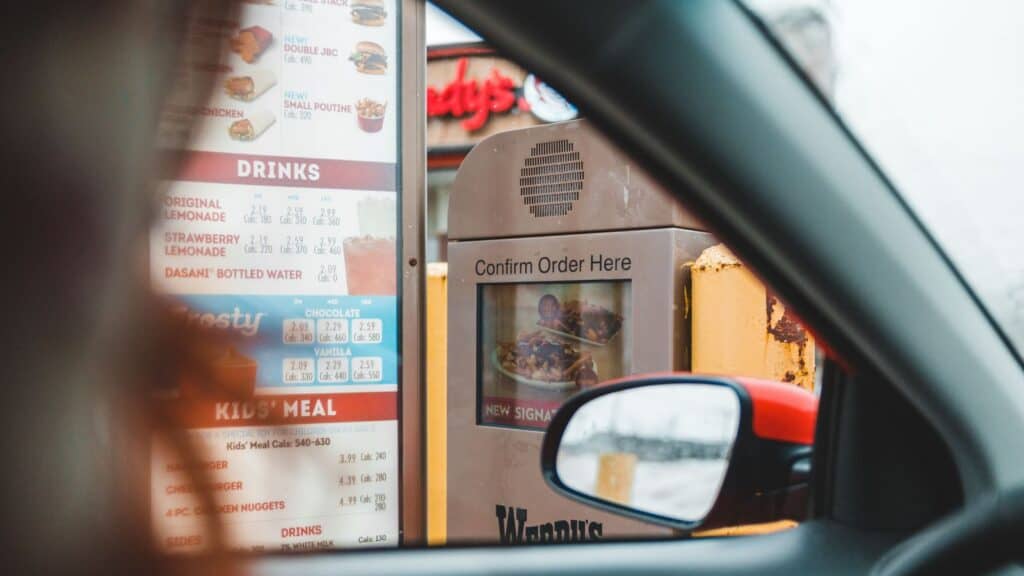
In-N-Out says founder Harry Snyder added a two-way speaker box in 1948 at the chain’s first restaurant in Baldwin Park, California. Drivers could order and get their food without leaving the car. That basic setup still lives in the speaker post and headset conversations you hear today.
Jack in the Box Designed for Cars First
Jack in the Box opened in Southern California in 1951 with no inside seating. Jack in the Box says the first restaurant used a two-way intercom instead of a dining room. The setup was new enough that its speaker panel needed instructions telling drivers that “Jack” would speak to them. Cars were part of the restaurant plan from day one.
Wendy’s Named the Pick-Up Window
Wendy’s says Dave Thomas added its “Pick-Up Window” in 1970. The company says customers first needed instructions for talking through the speaker. Wendy’s also says Thomas changed the name from “drive-in window” because he did not want it to sound like a place for cruisers.
McDonald’s Cut a Window for Soldiers
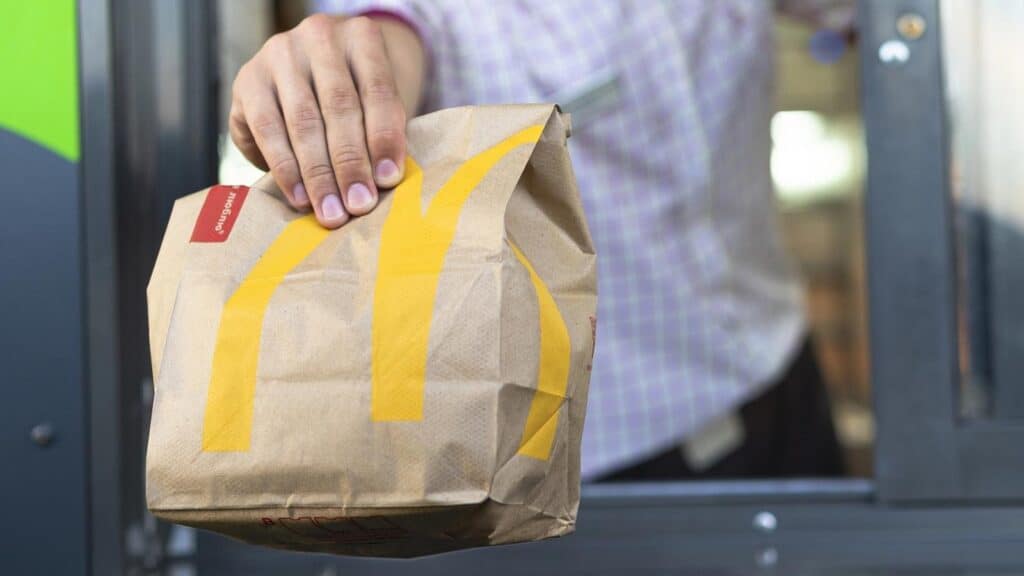
McDonald’s opened its first drive-thru in Sierra Vista, Arizona, in 1975. The company ties the idea to soldiers from nearby Fort Huachuca. McDonald’s says those soldiers stayed in their vehicles when wearing fatigues off base. Franchisee David Rich answered by adding a sliding window so they could order from the car.
The Lane Became a Production System
A drive-thru is more than a window. Foodservice design guidance breaks the process into order taking, food production, payment, and pickup. The car stack matters too. The lane needs enough waiting space for the kitchen’s pace, or backups can slow the whole system.
Digital Menu Boards Targeted Faster Orders
A 2021 study looked at more than 310 quick-service restaurants. Locations with digital drive-thru menu boards finished orders 9.2% faster on average than those with printed boards. The comparison does not prove the screens caused the difference. It does show why the menu board became part of the speed plan.
Pharmacies Borrowed the Window
The drive-thru model did not stay limited to burgers. Walgreens dates the first drive-thru pharmacy to 1951 and says it later helped make the format common. By the early 2000s, more than 70% of Walgreens stores had a drive-thru.
AI Moved Into the Speaker
The voice taking your order may now be software. By July 2026, Taco Bell’s voice AI had reached more than 890 U.S. restaurants across 38 states. The system takes drive-thru orders and can adjust to each restaurant’s menu and stock information.
The Pandemic Made the Lane Essential
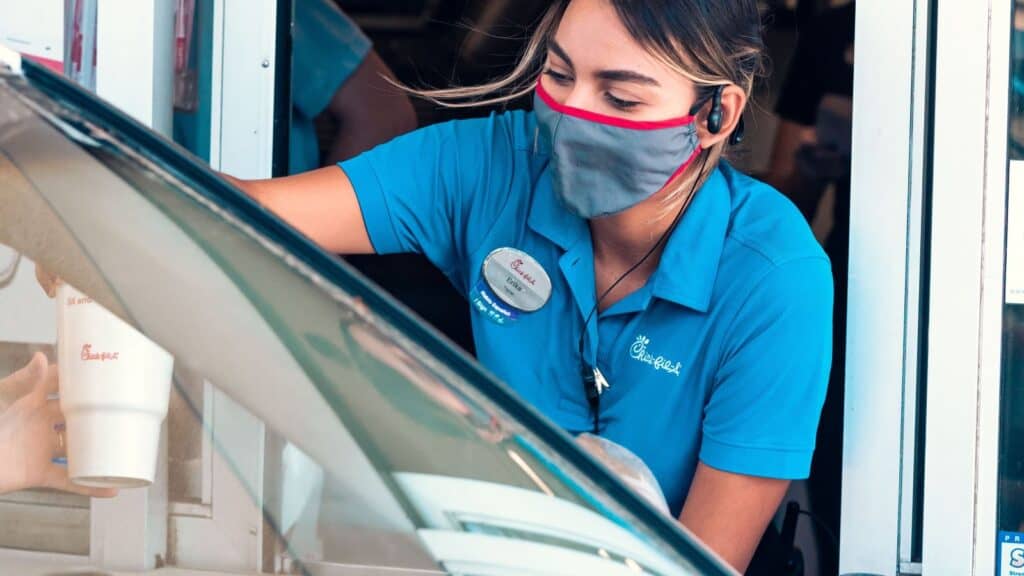
Drive-thrus became especially valuable when dining rooms closed in 2020. NPD reported that U.S. drive-thru visits rose 26% during April, May, and June that year. They also made up 42% of all restaurant visits. A convenience feature suddenly carried far more restaurant traffic.
Mobile Orders Removed the Speaker
Chipotle introduced its Chipotlane pickup format in early 2018. Customers order ahead and collect food from the lane without ordering at a speaker. By November 2024, Chipotle had reached its 1,000th Chipotlane. The format showed that a drive-thru could keep the car and drop the live ordering step.
4 Lanes Pushed the Idea Further
Taco Bell Defy opened in Brooklyn Park, Minnesota, in 2022 with four drive-thru lanes. Its kitchen sits above the cars, and a vertical lift sends orders down. McDonald’s later tested the small-format CosMc’s concept. In 2025, the company said it would close all standalone CosMc’s pilot locations and carry lessons from the test into its main business.
Convenience Keeps Rewriting the Lane
Drive-thrus last because the format can change without losing its main promise: you stay with the car while the business comes to you. Technology, building design, and ordering habits will keep changing. Convenience gives restaurants a reason to keep rebuilding the experience around how people actually arrive.