
Push a cart through automatic doors, grab frozen peas and hear the scanner beep at checkout. That ordinary grocery run is packed with inventions that once looked strange or futuristic. Across more than a century, bags, carts, scanners, and computer systems turned food shopping from a clerk-led errand into the self-service trip you know now.
The Paper Bag Became Easier to Make
Margaret Knight received a patent in 1871 for a machine that cut, folded, and glued flat-bottomed paper bags. The National Inventors Hall of Fame says the invention made those bags practical to mass-produce. Knight also defeated Charles Annan in a patent dispute after producing her original drawings.
Piggly Wiggly Put Shoppers in the Aisles
Clarence Saunders opened the first Piggly Wiggly in Memphis in 1916. The Tennessee Encyclopedia credits it as the first self-service grocery chain. Customers moved through aisles, chose their own goods, and brought them to a clerk for totaling, packaging, and payment. The model helped spread self-service grocery shopping across the country.
Birdseye Gave Frozen Food a Retail Future
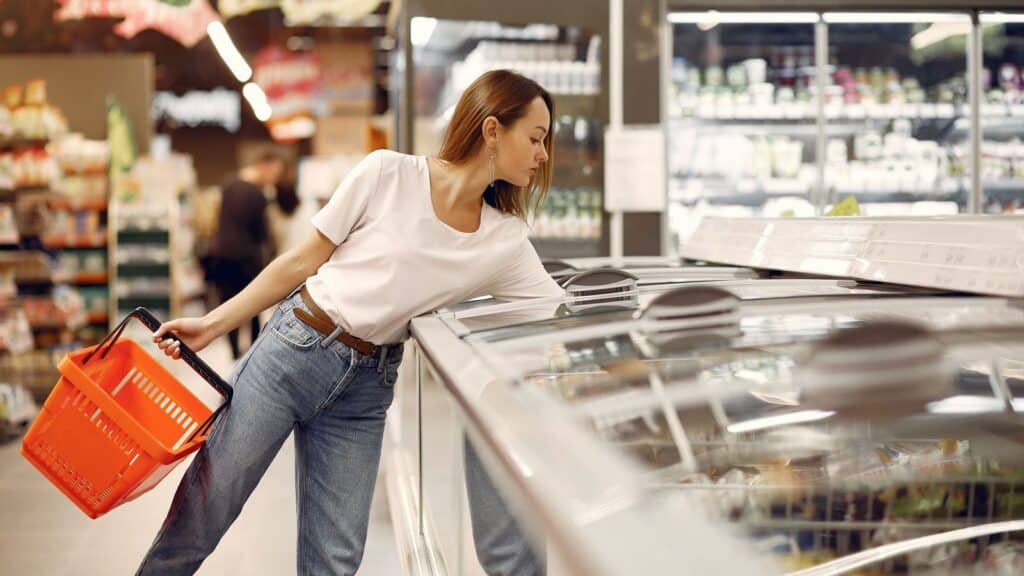
Clarence Birdseye found that rapid freezing preserved food closer to its original flavor and texture than slow freezing. In 1930, his frozen products reached retail customers in Springfield, Massachusetts. He also created and leased special display cases so stores could showcase the new frozen line.
The Shopping Cart Let Customers Carry More
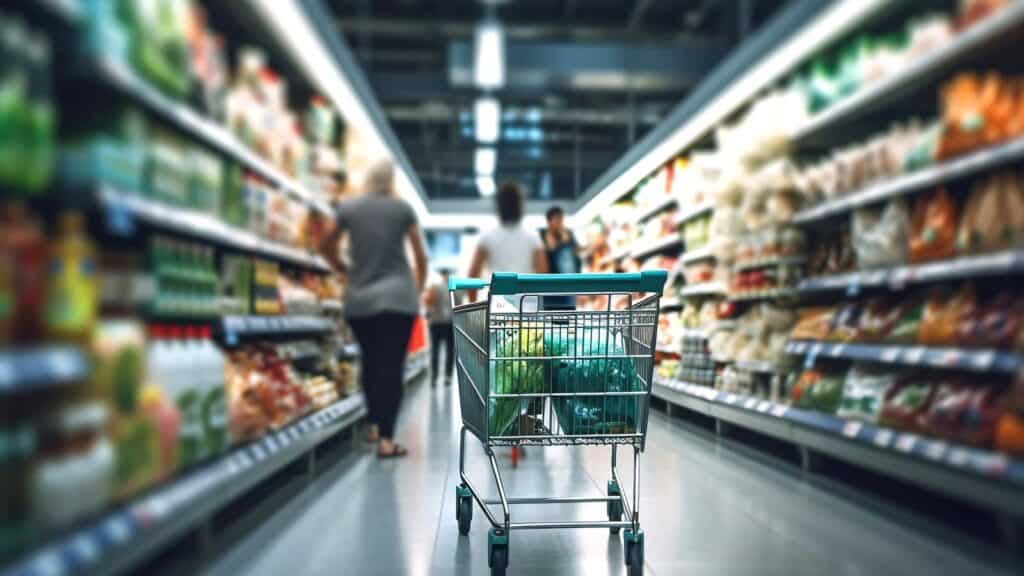
Sylvan Goldman saw that shoppers were limited by what they could carry in baskets. He introduced a shopping cart at an Oklahoma City Humpty Dumpty store in 1937. Customers resisted the unfamiliar contraption at first, so Goldman hired people to demonstrate it. Once shoppers accepted carts, one trip could hold far more groceries.
Automatic Doors Solved a Windy Problem
Lew Hewitt and Dee Horton set out to improve doors that struggled in the wind in Corpus Christi, Texas. Horton Automatics says the company introduced the first automatic sliding door in the United States in 1960. The hands-free entrance became a familiar feature at high-traffic stores.
The UPC Beep Changed Checkout
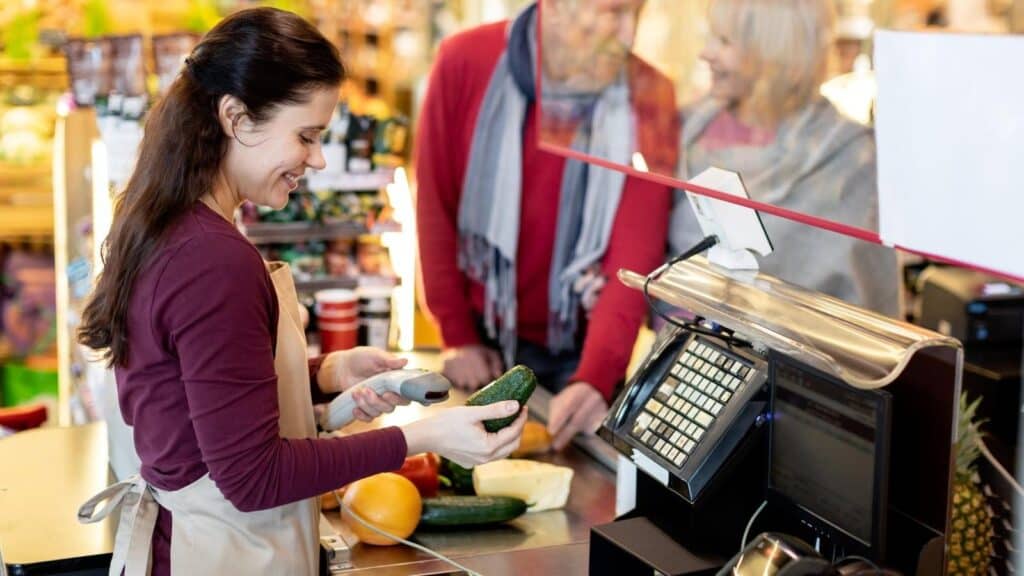
On June 26, 1974, a pack of Wrigley’s Juicy Fruit gum crossed a scanner at a Marsh Supermarket in Troy, Ohio. AIM Global identifies it as the first checkout scan of an item marked with the Universal Product Code. The moment helped usher UPC scanning into everyday retail.
Early Self-Checkout Still Needed Employees
CheckRobot brought customer-operated scanning to Kroger in the Atlanta area in the 1980s. A 1987 Los Angeles Times report describes shoppers scanning their own groceries while a clerk bagged the items and a cashier handled payment. Early self-checkout reduced cashier work, but it was not yet the fully independent process shoppers know today.
Peapod Put Grocery Ordering on a Home Computer
Brothers Andrew and Thomas Parkinson founded Peapod in 1989. In the early days, customers received software and bought the modems they needed to dial directly into the service. The Parkinson brothers picked and packed orders, then delivered them in their own cars. It was an early version of the grocery delivery systems that later moved to the web and apps.
Loyalty Cards Turned Discounts Into Data
Grocery loyalty programs were already linking discounts with shopper data by the early 1990s. Safeway’s Savings Club, for example, offered cardholders checkout discounts while allowing the company to collect purchase information. That bargain, lower prices in exchange for a record of what you buy, became a lasting part of grocery marketing.
Convenience Became Part of the Store
Great retail inventions stop feeling inventive once everyone expects them. A bag that stands up, a cart that rolls, or a scanner that recognizes a code eventually becomes part of the background. Newer grocery technology adds another question: convenience can save time, but it can also collect more information about how you shop. Paying attention to that tradeoff matters as much as noticing the technology itself.