
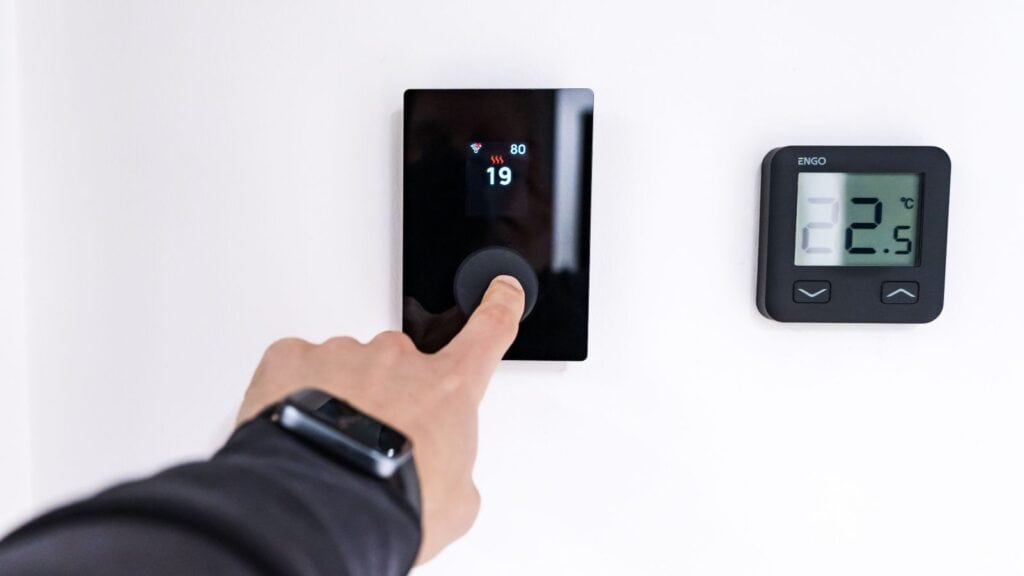
Crank the thermostat to 80, and the furnace should hustle harder, right? That move feels logical, but a higher setpoint does not automatically make the system heat faster. What matters is how your equipment responds, how long you hold a temperature and whether the control strategy fits the system. These seven habits can cost more than they save.
Cranking the Thermostat
Dropping the air conditioner from 74°F to 60°F won’t cool the house faster. The Department of Energy says setting the thermostat colder than normal can lead to excessive cooling and unnecessary expense. Heating needs more nuance. A single-stage furnace has one heat-output level, so asking for 80°F doesn’t make it burn hotter than asking for 70°F. Multi-stage and variable systems can behave differently, so use settings that fit your equipment.
The Catch-Up Myth
Turning the thermostat down while you sleep or leave the house can still save energy even though the system has to warm the home later. The Department of Energy explains that heat loss slows when the indoor temperature is lower. It says a 7°F to 10°F setback for eight hours a day can save as much as 10% a year on heating and cooling. Actual savings depend on your climate, home and HVAC system.
Heat Pump Setbacks Need Different Rules
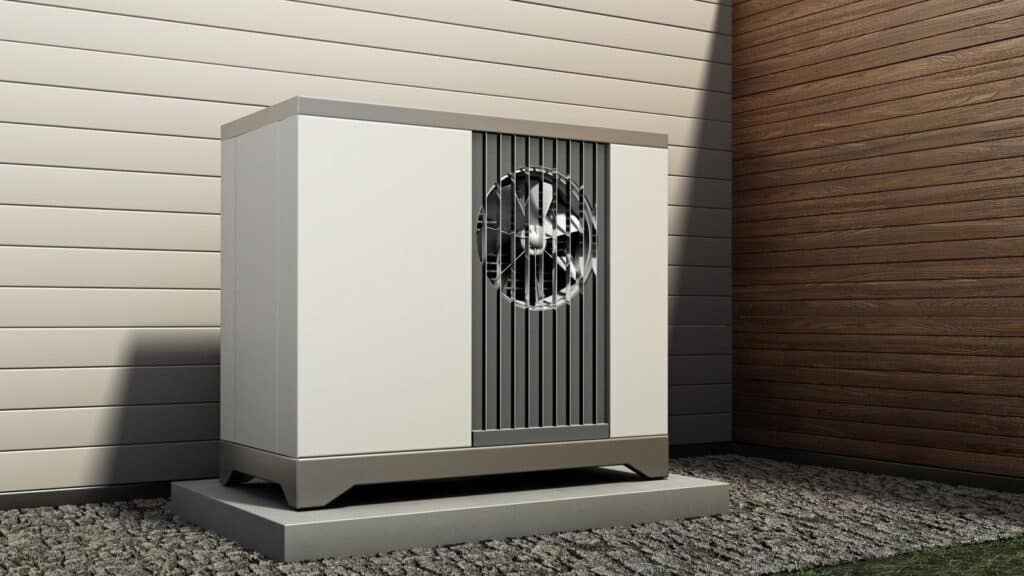
Heat pumps need extra care during heating season. A June 2026 Bonneville Power Administration field study tested thermostat setbacks at 14 ducted sites and found they did not appear to save energy during the targeted trial. Five sites used at least 10% more energy with setbacks than with flat settings. The report linked the problem to control strategies that triggered electric resistance heat during recovery. Avoid deep setbacks unless your thermostat and heat pump are designed to handle them efficiently.
Emergency Heat Is Not a Turbo Button
Emergency Heat is not a faster version of normal heat-pump operation. Lennox explains that the setting uses the supplemental heating source by itself without the heat pump. Backup heat may be electric, gas, oil or hot water. Electric resistance backup can cost more to run than the heat pump, so this setting is meant for situations such as a heat-pump failure or technician instructions, not routine cold mornings.
A Programmable Thermostat Is Not an Automatic Payback
Buying a programmable thermostat does not guarantee a lower bill. ENERGY STAR suspended its old programmable-thermostat specification in 2009 because questions continued about net energy savings and environmental benefits. The agency still recognized that programmable controls could save significant energy under the right conditions. The important part is how you use the schedule. A thermostat cannot save much if the programmed temperatures are nearly identical all day or if the schedule fights the way your HVAC equipment is designed to run.
Leaving the Fan On Can Work Against You
Keeping the central fan set to On all day is not free circulation. Building scientist Allison Bailes documented a five-day test in his home in which indoor relative humidity averaged about 70% while the fan ran continuously. He also lists higher energy bills as a drawback because the fan runs more. In humid weather, moisture left on the cooling coil can return to the air after the compressor stops. Auto is usually the better default unless your system calls for a different setup.

Thermostat Placement Can Undo a Good Schedule
A thermostat cannot control the house well if it is measuring an unusually hot or cold spot. Carrier recommends an interior wall away from direct sunlight, exterior doors, windows, air vents, drafts and heat-producing appliances. Those locations can distort the temperature the thermostat senses and make the HVAC system respond to a local hot or cold spot instead of the room as a whole. Fixing the location can matter more than repeatedly changing the setpoint.
Better Savings Start With Knowing Your System
The best money-saving thermostat habit is not constant intervention. HVAC controls work best when you understand what the system is designed to do, then let a sensible schedule handle the routine. If a setting only feels thrifty because it is more dramatic, it deserves a second look. Efficiency is more likely to come from consistent, equipment-appropriate control than from chasing comfort one degree at a time.