
This fall, parents skip the ticketed corn maze and the pumpkin patch with the photo op line and go back to apple picking, backyard bonfires and kitchens that smell like cinnamon on a Saturday. For millennial families, saving money is not the reason. Research on memory and family rituals suggests that participation, repetition and sensory detail may make low-cost traditions especially durable.
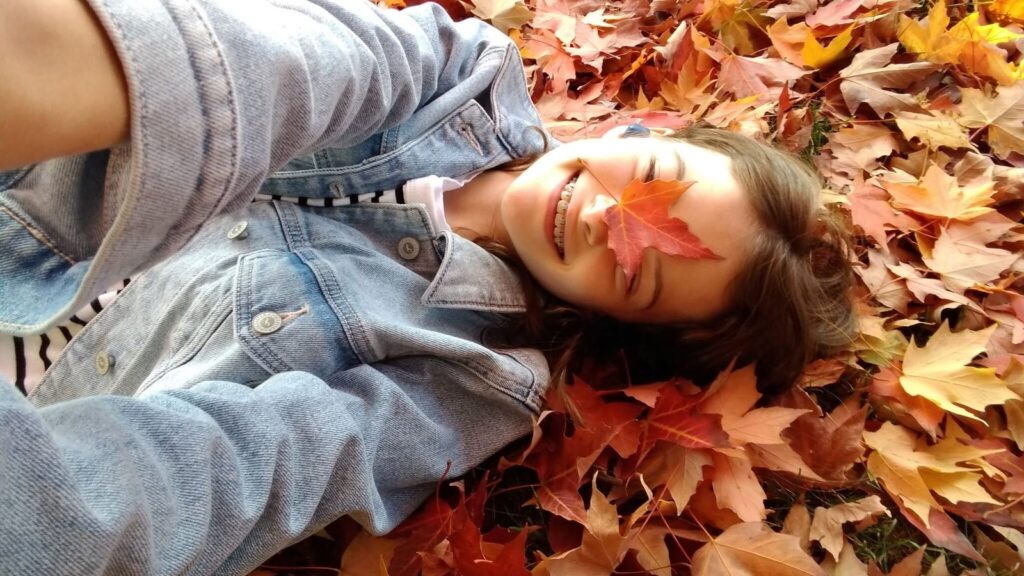
The generation now raising school-age children grew up as the ticketed fall experience rose. They watched orchards add admission gates before anyone touched an apple, pumpkin patches rebuilt for photo ops and seasonal outings priced before they started. Searches for “family traditions ideas” on Pinterest jumped 200% year over year, with parents actively designing what childhood looks and feels like away from screens and packaged experiences.
Fifty-four percent of millennials say 2026 is a year defined by nostalgia, with returning to happier times and a sense of comfort as the top reasons. Separately, 57% of families plan to spend less on fall activities this year, and 65% say traditional seasonal activities are becoming unaffordable. Families are returning to rituals that were always free or close to it.
What memory researchers actually find
Memory researchers broadly find that actively participating in an experience supports encoding and recall. UT Austin psychologist Alison Preston leads a lab built around exactly this question, studying how people acquire and retain knowledge across a lifetime. Experiences where a person does something, rather than watches something, tend to be encoded more durably. Repeated, familiar traditions may help children connect one year’s experience to the next, building a broader seasonal memory rather than a single isolated event.
The orchard as a starting point
For many families, an orchard visit offers the hands-on, repeatable experience memory researchers associate with durable recall. The pick-your-own orchard is one of America’s oldest fall rituals. A family pays for what they pick, and the afternoon costs little beyond the drive. The orchard a family returns to every October, the one where the kids know which rows to head for, becomes part of how those children understand autumn for the rest of their lives. A single visit makes a good afternoon; coming back every year makes it a tradition.
Baking what they picked
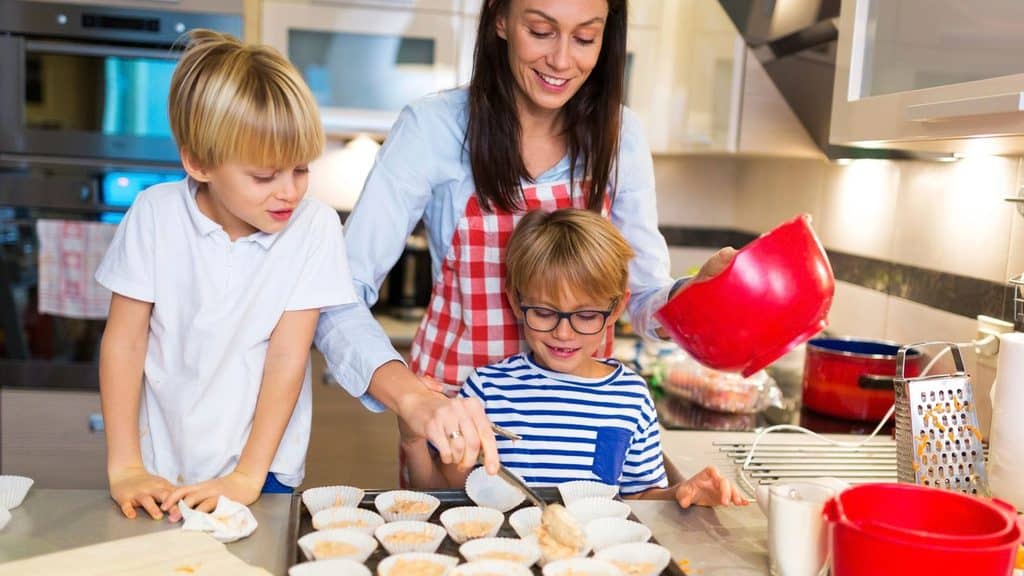
The kitchen is where apple picking usually goes next. A pie cooling on the counter, a batch of applesauce on the stove. Hands-on cooking builds children’s confidence and healthy eating habits that carry into adulthood, along with a stronger bond with the people who stood beside them at the stove.
Smell has an especially direct connection to memory and emotion, which may help explain why familiar autumn scents can trigger vivid recollections years later. The same recipe, kitchen and afternoon light, year after year. A recurring baking tradition may become one of the sensory and emotional reference points children carry into adulthood.
The backyard fire that requires no reservation
For families with a safe, permitted place to have one, a backyard fire requires little more than a Saturday evening and firewood. Barbara Fiese, professor emerita of human development and family studies at the University of Illinois at Urbana-Champaign, found that rituals carry meaning independent of what happens during them. They convey “this is who we are,” and that identity signal is what makes them stick across generations.
The same fire in the same backyard with the same faces every October is not just a pleasant evening. It is how a child’s sense of home gets built, one October at a time, with the smell of smoke in their jacket the whole drive back.
An inexpensive pumpkin can do more than parents expect
Families approach the season “with affordability in mind,” and 42% plan to carve a pumpkin this year. An inexpensive pumpkin produces something a child made with their own hands, displayed on a front porch for the neighborhood to see.
Scoop out the seeds with a spoon, sketch a face in marker, hand a small child the job of deciding what the pumpkin looks like. That combination touches several factors researchers associate with memorable experiences. The child participates, uses their hands, collaborates with someone older and ends up with a finished object on the front porch. And next October, they will want to do it again.
What decades of research found families actually remember
Fiese’s review of 50 years of family ritual research found associations between family rituals and children’s health, marital satisfaction and individual feelings of well-being. She argued that rituals function as symbolic communication. They help define who a family is, not just what it does. The data show the same: “slow motherhood” searches on Pinterest are up 310%, “positive discipline” up 295%. Parents aren’t just choosing cheaper; they’re choosing slower and more deliberate.
Where family leisure is heading
The ticketed fall experience is not going anywhere. But families stepping back are moving toward participation over spectatorship, the repeatable over the one-time, the kind of afternoon that costs almost nothing and happens the same way every year. The research on family rituals suggests that repetition, meaning and shared participation may matter more than the price tag.
Jennifer Allen is a retired professional chef and long-time writer. Her work appears in dozens of publications, including MSN, Yahoo, The Washington Post and The Seattle Times. These days, she’s busy in the kitchen developing recipes and traveling the world, and you can find all her best creations at Cook What You Love.