
Bologna built its reputation as the cheapest, most reliable protein in the refrigerator, the lunchmeat everyone reaches for when money is tight. National Bologna Day, on Oct. 24, leans into exactly that reputation, yet grocery shoppers have been moving in the opposite direction lately. That mismatch is showing up at the register, where bologna’s price has not caught the usual break either.
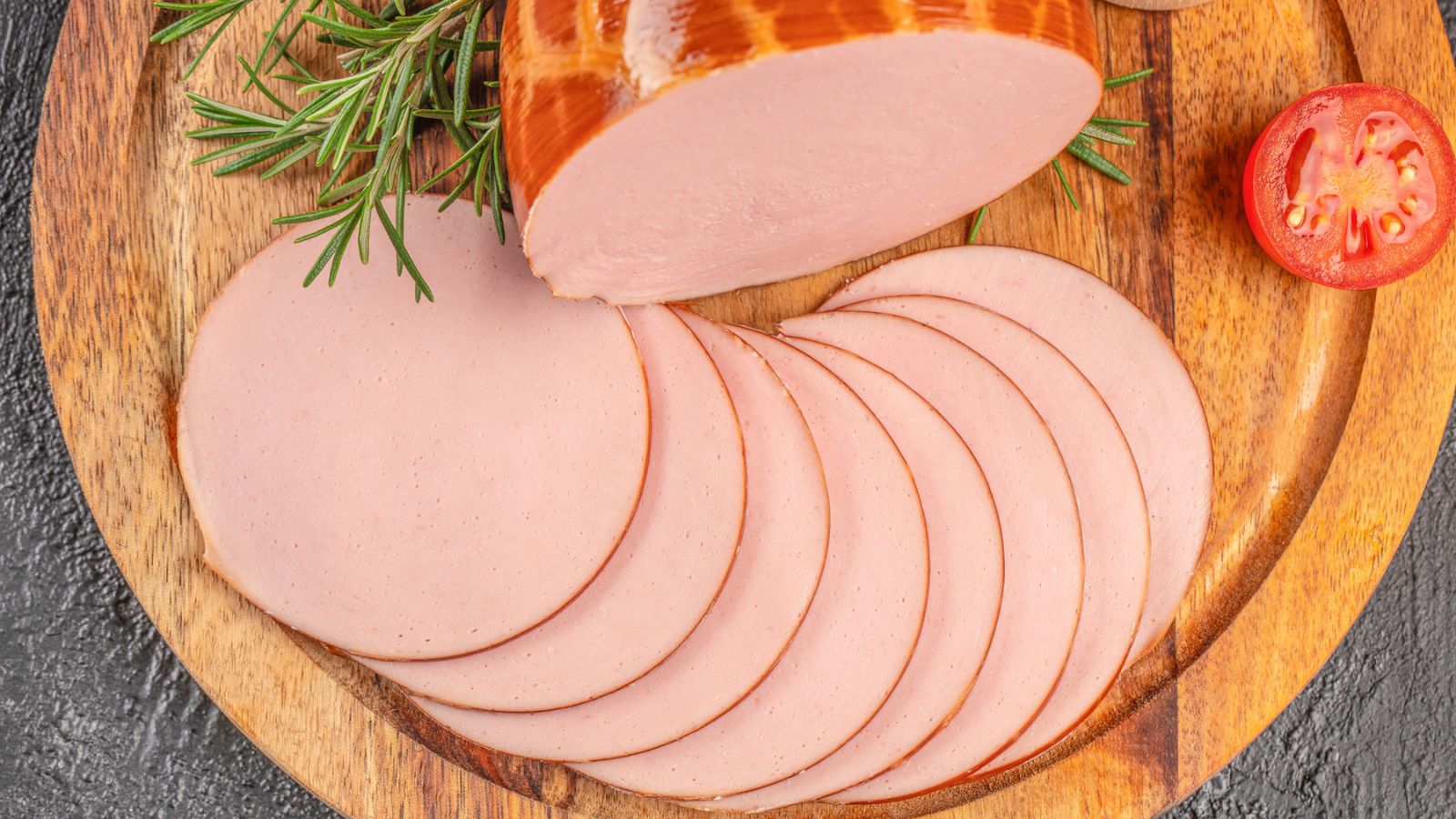
Grocery shoppers have packed bologna into lunchboxes for generations for good reason. It is pre-sliced and needs no cooking. Unopened and properly refrigerated, it lasts weeks without spoiling and ranks among the least expensive proteins in the meat case. The combination makes this year’s sales numbers especially unexpected.
Packaged lunchmeat, the aisle category bologna belongs to, posted a 9% drop in sales volume in June compared with the same month a year earlier, according to retail sales data. That is a steeper decline than any other processed meat category tracked that month. Frankfurters and bacon also slipped, down nearly 8% and almost 6%, but neither fell as fast as lunchmeat. By comparison, total meat department volume was down only about 2% over the same stretch.
Packaged-goods makers have pointed to shoppers trading down to cheaper alternatives across the grocery aisle as prices stay high. The mismatch makes lunchmeat’s drop harder to square. Shoppers are not simply eating less meat; they are eating less of one particular category, and the story behind that goes back further than this year’s prices.
Bologna’s path to the lunchbox
Bologna takes its name from Bologna, Italy, though the two foods have little in common today. The city’s signature product is mortadella, a pork sausage sometimes studded with pistachios, and the Bologna-made version holds protected status under European Union law. The two became distant enough cousins that the United States banned mortadella imports from Italy outright between 1967 and 2000, over concerns about African swine fever, keeping the Italian original and the American copy apart for more than three decades.
How a version of the sausage crossed the Atlantic and became an American lunch meat is not fully settled, but most accounts credit German immigrants with bringing it to American delis in the 1800s. One Chicago meatpacking company, founded in 1883 by German immigrant Oscar Mayer and his brother Gottfried, did more than any other to turn it into a household name, growing through the Depression era as an affordable, filling meat and later building advertising jingles that carried the brand for decades. The company is 143 years old this year.
Diners never dropped it
Fried bologna earned its own following well before anyone called it a trend. It has long appeared on diner and cafeteria menus across the South and Appalachia, crisped in a hot skillet until the edges curl, then served with little more than mustard and cheese. The sandwich also goes by other names. In and around Pittsburgh, people simply call it a “jumbo,” a nickname that stuck after a regional lunchmeat brand marketed bologna under that name for decades.
The singer Johnny Cash was reportedly a fan at home. His son John Carter Cash wrote in a family cookbook that his father liked his bologna fried nearly burnt, paired with canned biscuits and scrambled eggs cooked in the same drippings. He topped the eggs and meat with ketchup and spread honey and butter on the biscuits.
Ways to eat an old standby
The classic sandwich also takes well to a few upgrades beyond the plain version. Pressed on a buttered Kaiser roll until the edges crisp or folded into sliders on sweet dinner rolls, it holds up to more reinvention than its reputation suggests. Another trick is to alternate hot and cold slices in the same sandwich, and a pickle-dip spread with kettle chips works just as well alongside it.
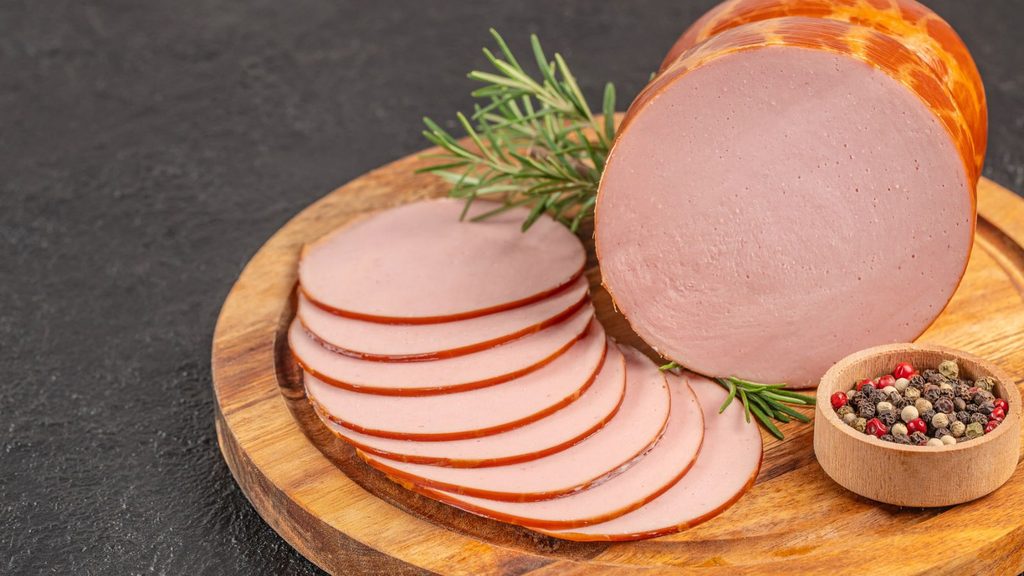
Sliced paper-thin, it loses the rubbery bite and eats more like a delicate deli cold cut. Chopped fine, it turns into a spread some cooks still call bologna salad. Each one uses what is already sitting in the refrigerator, no special trip required, making these recipes an easy way to get more out of a package that current sales numbers suggest is a harder sell than it used to be.
Lunchmeat is still waiting for its price break
Lunchmeat’s trouble has not let up since June. A later analysis found the average price per pound for meat and poultry rose just 0.4% in September, well below the 3.6% increase averaged over the trailing year. Packaged lunchmeat, along with turkey and smoked ham, was one of the few categories where inflation did not moderate. For the one food built around being the cheap option, the timing could not be worse.
Mandy Applegate is the creator behind Splash of Taste and seven other high-profile food and travel blogs. She’s also the co-founder of Food Drink Life Inc., a unique and highly rewarding collaborative blogger project. Her articles appear frequently on major online news sites, and she always has her eyes open to spot the next big trend.