
An October food road trip doesn’t need a famous destination; it can be built from working farms: a roadside stand selling produce straight from the field, a farm store stocked with jams and baked goods, a hayride past the corn maze, a row of crops to pick yourself. Farms like these operate in dozens of states, and many stay open well beyond the fall rush, so a trip can follow a farm’s schedule instead of fitting a trip into one weekend. For travelers who want to eat where the food is grown, the stops are already there.
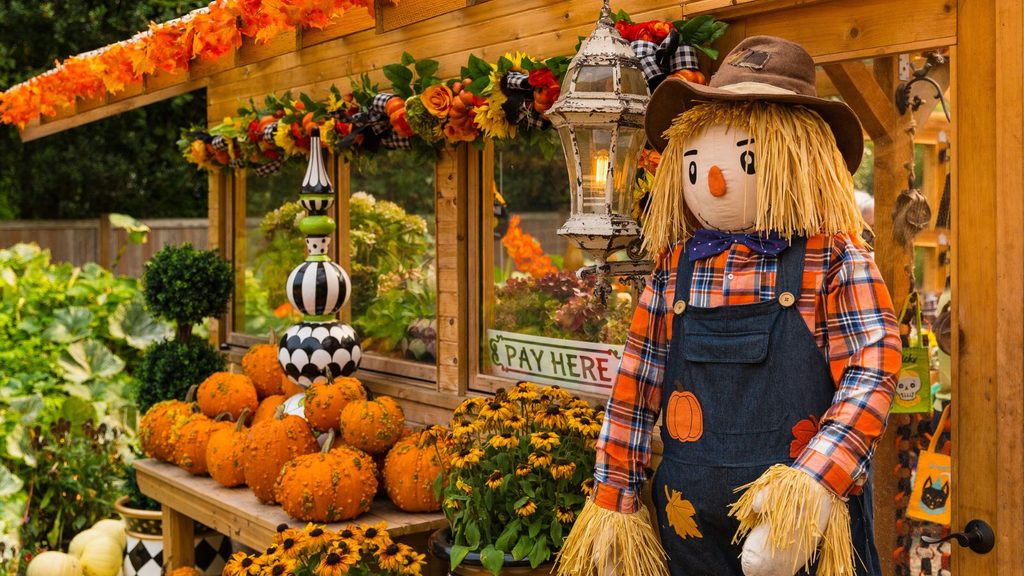
Farms sell produce straight from the field, sometimes alongside jams and baked goods, and the ones that add a hayride need little more than a tractor and a flatbed trailer. A corn maze takes more planning, a pattern cut into the field weeks before the season opens. Together they turn a working farm into a place to spend an afternoon.
Most farms just put up a stand
A new national survey of agritourism operators across more than 30 states found that 67% of them offer a farm stand or farm store as part of the visitor experience, more than any other feature measured. Hayrides and corn mazes show up less often, but not nearly as often as most travelers would guess.
What counts as a stand varies by region and by crop, but the survey’s definition is broad: produce sold directly from the farm, or a seasonal shop stocked with jams and baked goods, sometimes built onto an existing barn. A stand is simply open on a schedule the farm sets, which is part of why the pattern holds up across so many states and climates.
More than half of the farms surveyed, 56%, also offer guided tours, turning routine chores into a paid visitor experience. Roughly 45% also run student group or field trip programs, another way the same land doubles as a business and a classroom. Together, tours and student programs put farm staff in direct contact with visitors well beyond the stand itself, a different kind of operation than one that simply waits for customers to pull in off the road.
For farms that track it, agritourism accounts for a median of 36% of total revenue, which helps explain why many operators plan their year around the fall rush instead of treating it as incidental income.
Hayrides and corn mazes are the next most common draw
Among the roughly 4 in 10 farms that offer organized activities, hayrides are the most common single draw, cited by 43% of operators, with corn mazes close behind at 34%. A hayride typically needs a tractor and a flatbed trailer, equipment many working farms already have. A corn maze requires a field cut into a pattern weeks before the season opens. Festivals are the next most common activity among that same group of farms.
Festivals spread the pattern across dozens of states
Festivals are the most common of the three, with 46% of farms running any kind of organized event. They range from a single autumn weekend to a run of themed days spread across most of the season. The survey drew valid responses from nearly every state and territory, which is why the pattern described throughout this piece looks national rather than regional.
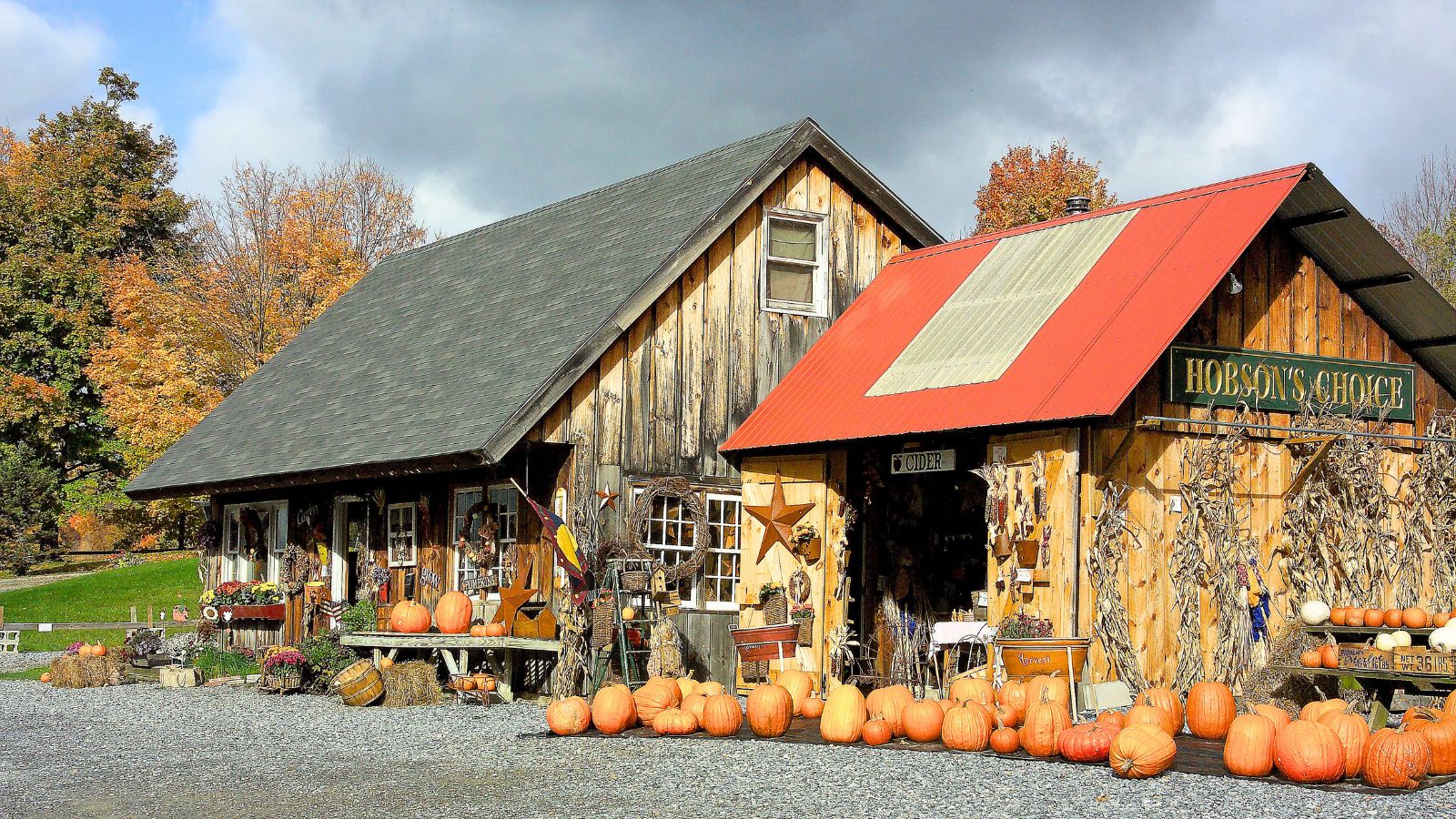
Vermont led with 103 responses, followed by Maine with 68, California with 56 and Oregon with 51. About 1 in 5 farms also keep a petting area running during the same stretch, another small piece of the same seasonal rush.
U-pick adds a fourth stop close to home
Picking your own produce is nearly as common as a corn maze. Among farms surveyed nationwide, 40% also offer U-pick, which turns a stand into a longer stop instead of a five-minute photo break. When these farms sell beyond their own property, farmers markets are the top outlet, used by about 56% of the farms that sell off-farm.
Farmers markets extend a farm’s reach into nearby towns, but the survey’s visitor-distance numbers tell a more local story than the road-trip framing suggests, closer to a short drive than a long one.
About a quarter of operators say only 1% to 10% of their visitors come from more than 50 miles away, while 11% say more than 3-quarters of their visitors travel that far. That doesn’t erase the national pattern so much as reshape it: most people take a short regional loop, repeated in dozens of states at once, rather than one long interstate drive to a single famous stop.
Many of these farms are open nearly the whole year
Few of these farms limit themselves to one weekend in October. The single most common answer for how many days a year they stay open, chosen by 28% of farms, was 271 to 365 days. Only 16% of operators said they’re open a month or less, the narrow window most people still picture when they think of a fall farm visit.
Jennifer Allen is a retired chef turned traveler, cookbook author and nationally syndicated journalist; she’s also a co-founder of Food Drink Life, where she shares expert travel tips, cruise insights and luxury destination guides. A recognized cruise expert with a deep passion for high-end experiences and off-the-beaten-path destinations, Jennifer explores the world with curiosity, depth and a storyteller’s perspective. Her articles are regularly featured on the Associated Press Wire, The Washington Post, Seattle Times, MSN and more.