
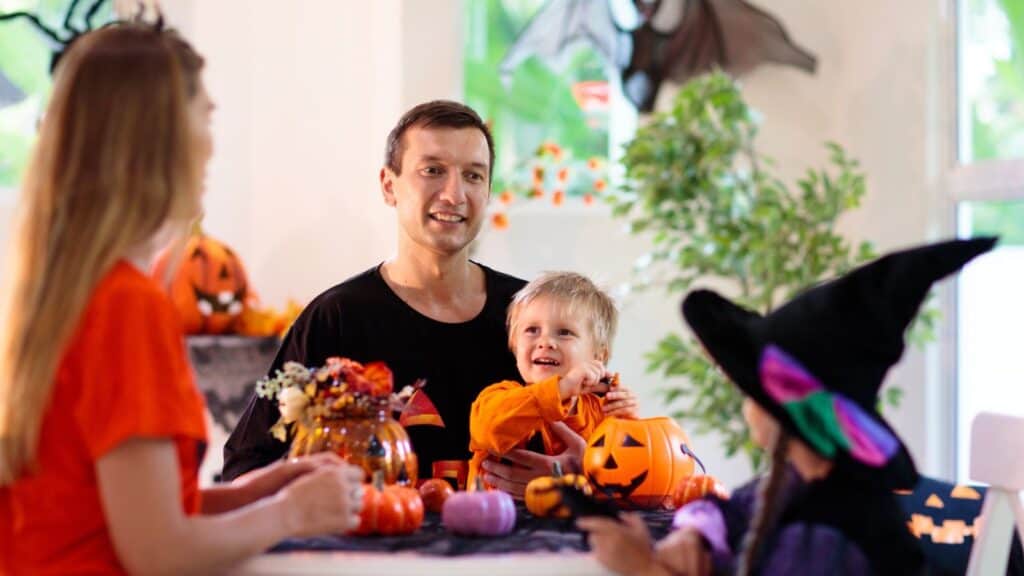
Tiny pirate, oversized bucket, doorbells that lead to bowls of candy; Halloween looks different when your trick-or-treater is barely tall enough to ring the bell. You can make the costumes and excitement the main event without handing over a mountain of sweets.
Feed Them Before the Doorbells
Get dinner out of the way before putting on the costume. The American Academy of Pediatrics (AAP) recommends a good meal before trick-or-treating to discourage sampling candy on the way. You can still enjoy the neighborhood decorations and collect treats without turning the walk into snack time.
Decide What Happens to the Candy
Make the candy plan before the bucket fills up. The federal Dietary Guidelines for Americans recommend avoiding added sugar from birth through age 4. The AAP advises avoiding added sugar before age 2 and keeping it below 25 grams a day for children ages 2 and older. For your toddler, decide in advance whether you will serve any age-appropriate treat at home.
Check for Choking Hazards
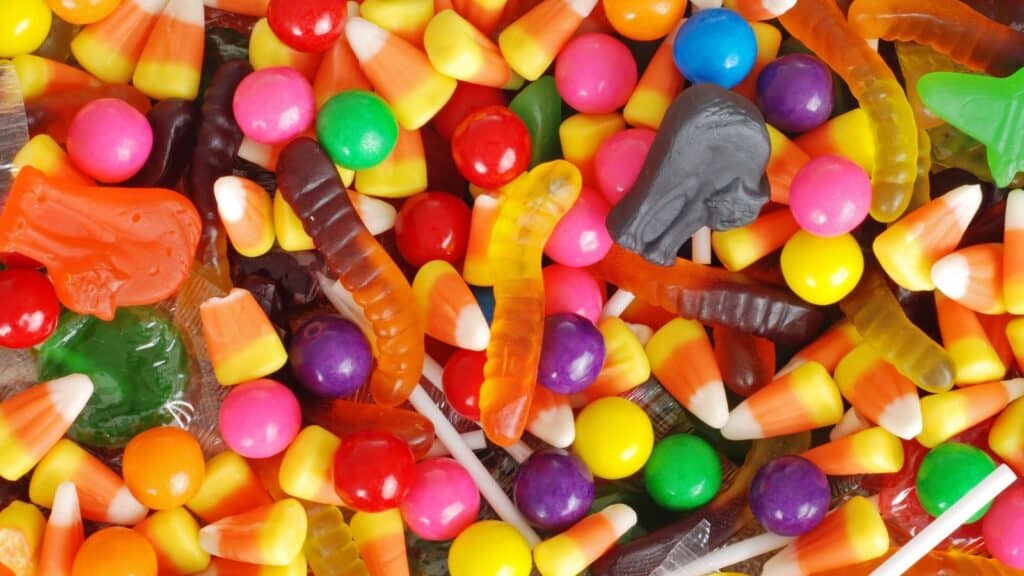
A candy wrapper can hide more than sugar. The CDC lists choking hazards, including hard or round candy, jelly beans, caramels, gummies, and marshmallows. It also flags popcorn, whole nuts, raisins, pretzels, and granola bars. Check each item yourself and keep unsafe food and small objects out of your toddler’s reach.
Catch the Daylight Hours
Keep the outing short and early if your neighborhood schedule allows. The AAP suggests trick-or-treating before dark to protect young children’s bedtime routines. If door-to-door visits start late, a library or recreation center may offer a daytime Halloween activity. You do not need to wait for the full nighttime rush.
Give Them the Doorbell Job
A tired toddler does not have to finish the block. The AAP suggests answering the door and handing out treats to older kids as an alternative when little ones lose interest. Keep the candy out of reach between visitors. The job lets your child enjoy costumes and greetings without collecting a bigger pile.
Keep Snacks Off the Sidewalk
Save eating for a seated stop at home. The CDC says children should sit upright while eating, not walk or crawl with food in their mouths. It also recommends close adult supervision throughout snack time. Leave the bucket closed during the walk, then inspect its contents before offering anything suitable for your child.
Put Play in the Treat Bucket
Candy is not the only thing a toddler can receive. The AAP suggests crayons, notepads, bubbles, and chalk as non-food Halloween goodies. Stickers, stamps and playdough also appear among its ideas, but small pieces may be unsafe for very young children. Choose supplies made for your child’s age and supervise play.
Choose Soft Fall Snacks at Home
Keep the autumn flavor without relying on candy. The AAP suggests soft bites of roasted apples, applesauce, and baked sweet potato fries with cinnamon for older toddlers. Prepare every bite to suit your child’s chewing skills. Check added-sugar labels on packaged foods, too. A fruit-flavored snack is not automatically free of added sugar.
Make Brushing Part of the Night
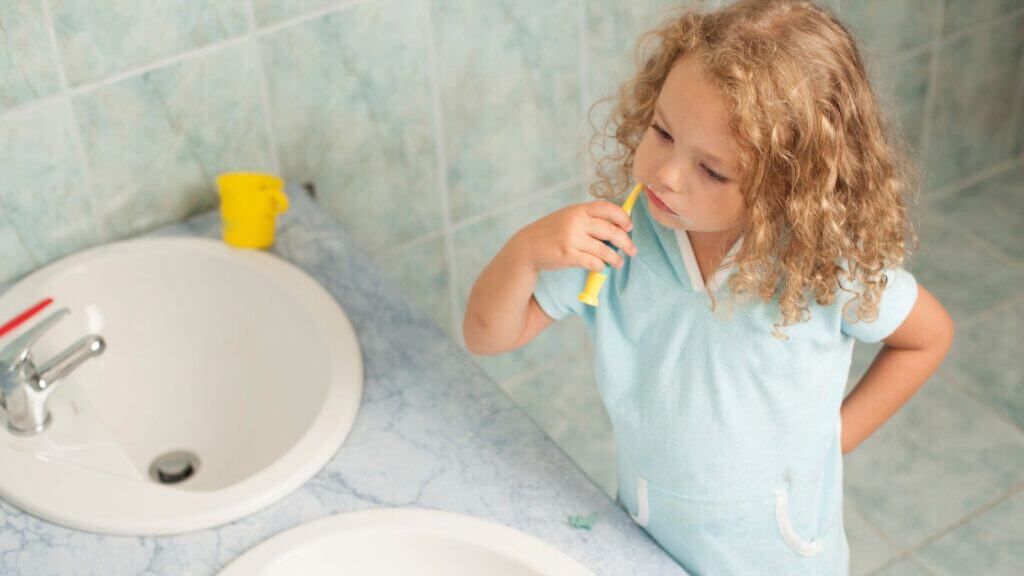
Finish the evening with the usual toothbrushing routine. The AAP recommends a rice-grain-sized smear of fluoride toothpaste twice a day from the first tooth until age 3. At age 3, it recommends a pea-sized amount. Halloween is no reason to skip brushing, even when your toddler has not eaten candy.
The Best Part Does Not Come Wrapped
Toddlers are still learning what holidays mean. They take their cues from the adults setting the pace, and they do not need a full bucket to feel included. Make room for curiosity, costumes, and a little silliness. The Halloween tradition worth keeping is the one your child can actually enjoy.