
Your favorite snacking apple may be the one that cooks down to sauce in your pie. Some varieties hold a slice in the oven, while others go soft. A few are happiest raw. Orchard guides describe apples by the job they do best, so here are seven varieties and the work each one does well.
Granny Smith
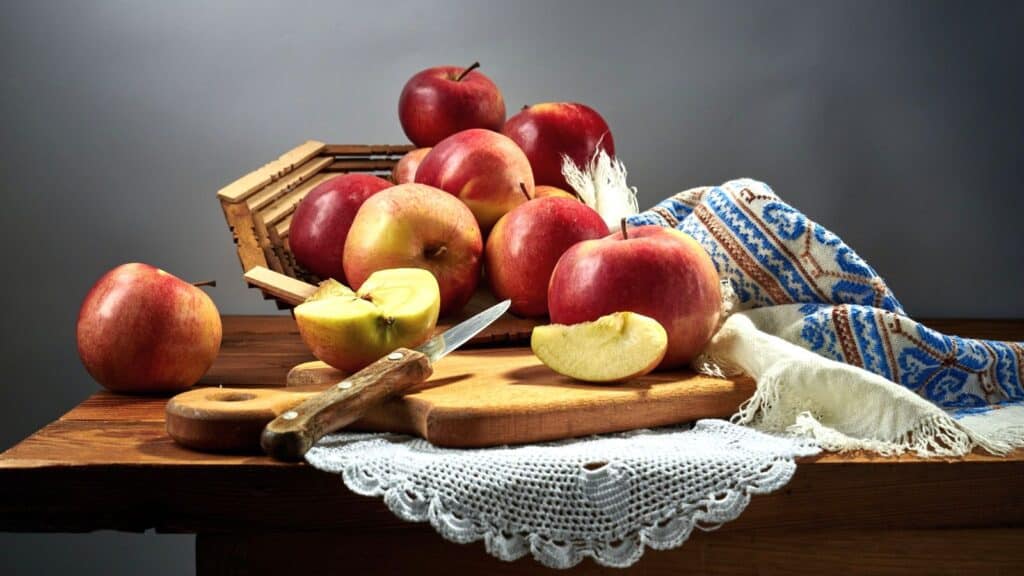
Bell’s Orchard in Beaverton, Oregon, calls Granny Smith a dependable baking apple for its tart flavor and firm flesh. Those qualities help the slices hold their shape in pies and crisps. The orchard also recommends it for tarts and crumbles. Its sharp bite cuts through a sweet filling, so you get a clear apple flavor rather than sweetness alone. You can eat it raw, too, especially if you enjoy a tangy crunch.
Northern Spy
Northern Spy is a strong pick when you want distinct apple slices after baking. An Ask Extension expert answering a Michigan reader calls it a prized variety for pies, with the firmness and acidity that help create a satisfying filling. It has a sweet-tart taste and is also good for eating fresh. You may need to look beyond a supermarket to find it, since specialty orchards and farm markets often offer a wider range of varieties.
Rome Beauty
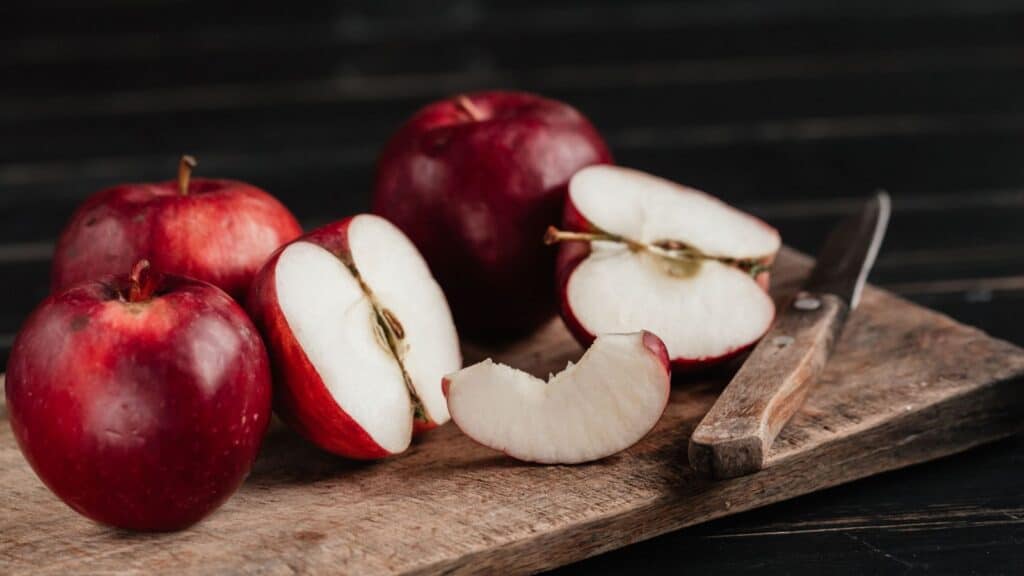
Rome Beauty, often sold simply as Rome, is another apple that earns its spot in the oven. The Michigan Apple Committee describes a firm apple with mild sweetness that becomes more pronounced when cooked. It also says Rome apples keep their shape and develop a richer flavor in pies, crisps and roasted dishes. Reach for this variety when you want the cooked apple to be the main event without a sharp, tart edge.
McIntosh
McIntosh takes a different route. Its tender flesh softens quickly during cooking, which is useful when smooth applesauce or apple butter is the goal. Breeden’s Orchard identifies McIntosh as a favorite for these preparations because it cooks down readily. The soft texture can be less useful in a pie where you want each slice to stay distinct. That does not make it a bad baking apple. It simply gives you a softer result.
Honeycrisp
Honeycrisp makes its biggest impression before the oven ever enters the picture. Brand Farms in Farmington, Minnesota, describes an exceptionally crisp, juicy apple with honey-like sweetness and a little tartness. The farm recommends it for fresh eating, salads and cheese pairings. That juicy snap is a good reason to slice one for a snack. Honeycrisp can also work in baked dishes, but the farm’s featured uses put its fresh texture first.
Fuji
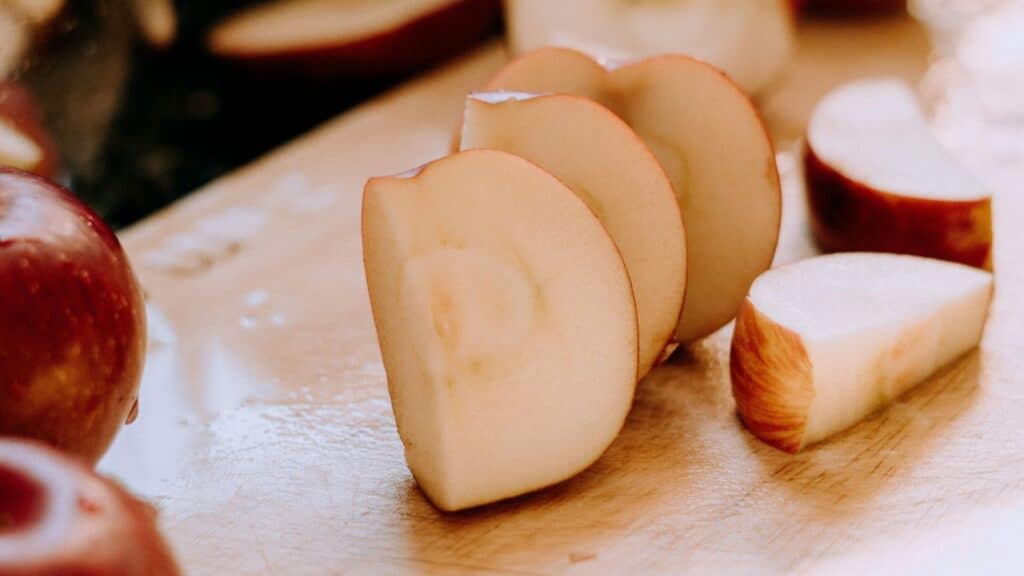
Fuji offers a dense crunch and a notably sweet bite. According to the Michigan Apple Committee, its juicy flesh stays crisp and its flavor combines sweetness with relatively low acidity. The grower organization recommends it for fresh eating and salads, where that texture is easy to appreciate. Fuji can add natural sweetness to recipes, but you do not have to cook it to enjoy its strengths. Keep one on hand for a crisp afternoon snack.
Gala
Gala is a practical choice for a lunchbox or fruit salad. Showalter’s Orchard in Virginia describes it as crunchy, juicy and flavorful, and recommends it for snacking and salads. The orchard also says Gala can hold up in baking. That advice is worth reading as an option, not a promise that Gala will act like a firmer pie apple in every recipe. For its easy sweetness and pleasing bite, fresh eating is still a natural starting point.
Let the Texture Set the Standard
A good apple choice is less about winning a variety ranking than knowing what you enjoy. Soft filling is not a failure if that is the result you wanted, and a firm bite is not automatically better. Taste the fruit when you can, picture the finished dish and choose on purpose. Your own preference is a more useful guide than any single label on the produce bin.