
Chocolate costs much more than it did a year ago, yet shoppers still fill their carts. National Chocolate Day falls on Oct. 28, in the middle of the year’s busiest candy-buying weeks. The higher prices haven’t stopped the buying, and even the companies selling the candy say so.
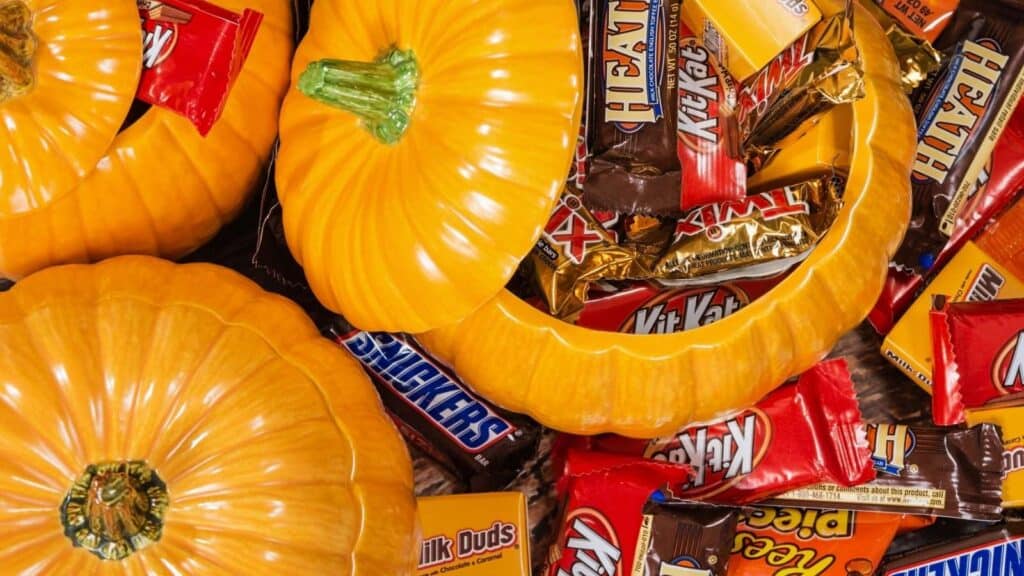
Halloween falls just three days after National Chocolate Day, right as the busiest shopping stretch of the fall kicks in and candy bowls fill up across the country. People heading into those weeks are tightening their budgets, bracing for higher prices before they even reach the candy aisle. Many say they compare store brands and watch for sales, then put chocolate in the cart anyway, price tag and all.
Candy prices outpace everything else
A recent federal report found that candy and chewing gum prices rose 7.7% over the 12 months ending in September, more than double the 3.7% increase in overall consumer prices. Sugar and sweets as a broader category rose 5.5% over the same period. Government data confirm shoppers aren’t imagining it, and candy and chewing gum rank among the faster-rising grocery categories over the past year.
Hershey’s own numbers show
Hershey said in a July 30 securities filing that higher prices added about 14 points to net sales growth in its North America confectionery business last quarter. Volume in that segment fell about 10 points over the same period, and the filing attributed the drop in part to price elasticity, the economic term for shoppers buying less as prices rise.
Even with volume down, Hershey said its U.S. candy, mint and gum retail sales grew 3.7% over the 12 weeks ending July 19, though its share of that market slipped because of what the filing called increased competitive innovation. Hershey’s chief executive, Kirk Tanner, said in the filing that cost visibility and operating flexibility position the company to handle unsettled markets.
Internationally, Hershey said pricing added about 10 points to sales last quarter, while volume fell about 8%, partly from price elasticity and partly from working through inventory shipped early in the year. The category as a whole is still growing, though Hershey isn’t capturing all of it.
Shoppers are adjusting, not walking away
A recent survey found that 96% of shoppers still plan to buy candy this year, making it the holiday’s most popular purchase, with spending projected at $4.1 billion of the $13.5 billion total. Average Halloween spending per shopper is expected to reach $115.14, roughly flat from $114.45 last year, even as prices for many holiday staples run higher. The appetite for the holiday itself hasn’t shrunk, with 74% of Americans planning to celebrate this year, up slightly from 73% last year.
If prices come in higher than expected, 31% of shoppers say they would comparison shop, 26% would look for coupons or sales and 34% would look for items they can reuse or repurpose later. Discount stores remain the top destination, named by 39% of shoppers. Nearly half plan to start shopping in September or earlier, weeks before the holiday.
Cocoa got expensive
Hershey has pointed to ingredient costs, especially cocoa, as the main reason for its own price increases. In July 2025, the company told retailers it was raising prices by what it called a double-digit percentage, citing what a spokesperson called the unprecedented cost of cocoa. The spokesperson said at the time that the increase wasn’t related to tariffs or trade policy.
Months earlier, on a May 2025 earnings call, Michele Buck, Hershey’s chief executive at the time, told investors the company would lean more on products that use less cocoa and adjust pack sizes alongside pricing, especially for seasonal items. Cocoa prices nearly tripled in 2024, pressure that chocolate makers of every kind, from bars to chocolate truffles, have had to absorb.
Handing out candy hasn’t gone out of style
Even with prices climbing, 61% of shoppers in the same survey named handing out candy as their top way to celebrate Halloween, ahead of any other activity, from costumes to decorating. For a chocolate industry charging more per bag, that habit is what keeps the higher prices working.
Jennifer Allen is a retired professional chef and long-time writer. Her work appears in dozens of publications, including MSN, Yahoo, The Washington Post and The Seattle Times. These days, she’s busy in the kitchen developing recipes and traveling the world, and you can find all her best creations at Cook What You Love.