
PreCheck feels like a golden ticket until you reach the checkpoint and the line barely moves. The program saves real time, but it does not guarantee a dedicated lane, waive your ID check, or speed you through customs. Seven common assumptions can cost members time before they ever reach the gate.
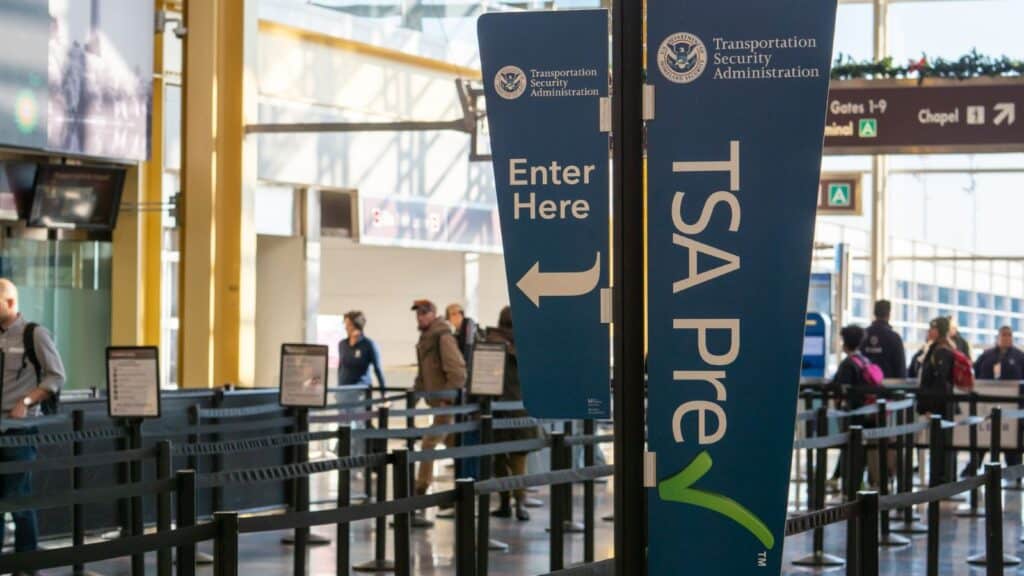
A Guaranteed 10-Minute Wait
TSA says about 99% of PreCheck passengers wait less than 10 minutes, but that statistic is not a promise for each trip. The same TSA PreCheck overview says every traveler will be screened and no individual is guaranteed expedited screening. Operational changes and additional screening can still stretch the process. Build your airport arrival plan around the flight, not the best-case line.

A Dedicated Lane Whenever You Fly
PreCheck membership does not keep a dedicated lane open at every airport, checkpoint, or hour. TSA publishes a checkpoint schedule because availability varies by airport, weekday, and time, and the listed hours can change for operational needs. If the lane is unavailable, TSA instructs eligible passengers to show their PreCheck boarding pass for expedited screening in a standard lane. That may preserve screening benefits without producing a separate, shorter queue.
Automatic Access on Every Booking
Approval alone does not place the PreCheck indicator on every boarding pass. TSA says the benefits are not automatic: your Known Traveler Number must be entered correctly in every airline reservation, and the reservation name and birth date must match the enrollment record. If the indicator is missing, contact the airline before entering the checkpoint. Confirm that designation before heading to the security line.
An Exclusive Shoes-On Benefit
Keeping shoes on used to separate PreCheck from standard screening. That distinction narrowed on July 8, 2025, when DHS ended the routine shoes-off policy at domestic airport checkpoints. Under normal procedures, PreCheck still lets members keep laptops, compliant liquids, belts, and light jackets in place. TSA can also apply additional screening when needed, so no clothing or packing shortcut is absolute.
Permission to Pack Full-Size Liquids
PreCheck changes where liquids are stored during screening, not the size of ordinary containers. TSA’s current liquids rule limits carry-on liquids, aerosols, gels, creams, and pastes to 3.4 ounces or less per container, all in one quart-size bag. PreCheck passengers can usually keep that bag in their carry-on. Larger containers still belong in checked baggage unless they qualify for a stated exemption.
A Pass Around Identity Verification
PreCheck does not eliminate the identity check. TSA says adults 18 and older must present acceptable identification, and a noncompliant state license no longer satisfies the rule after REAL ID enforcement began in May 2025. Under the current checkpoint identification rules, travelers without acceptable ID can use the $45 TSA ConfirmID process starting February 1, 2026, but verification is still required. Touchless ID at select airports changes the method, not the requirement.
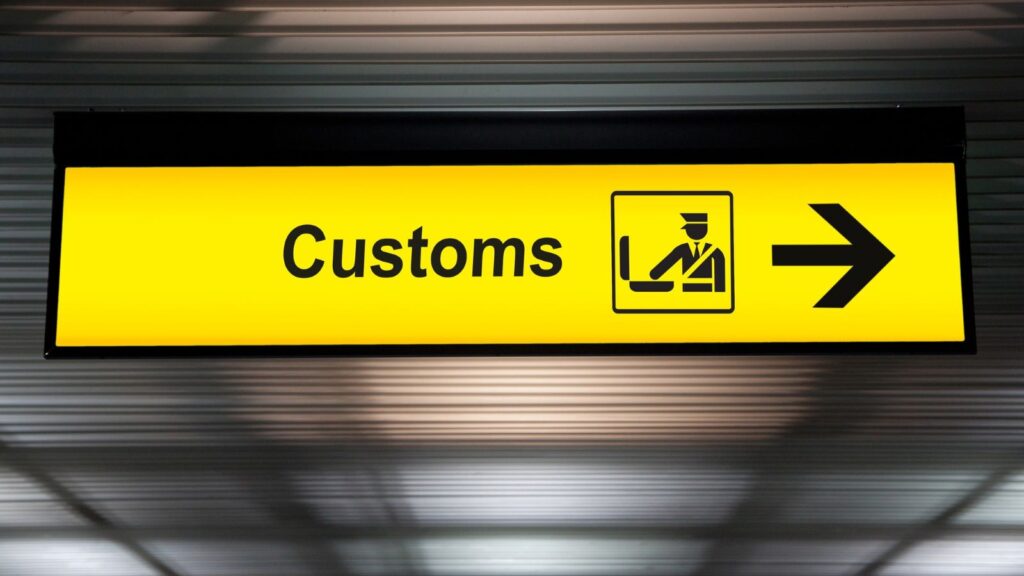
Faster US Customs
PreCheck applies to TSA security screening before a flight. It does not expedite the immigration and customs process after an international arrival. That is the role of Global Entry, a separate CBP program for preapproved, low-risk travelers entering the United States. Global Entry includes access to PreCheck benefits, but a stand-alone PreCheck membership does not include Global Entry.
Know Which Line You Paid to Improve
PreCheck earns its value by removing friction from one specific part of a trip. Check the lane schedule, confirm the indicator on your boarding pass, and pack for the rules that still apply. Clear expectations turn an unavailable lane or extra check into an inconvenience instead of a ruined plan, while a smooth checkpoint remains the benefit you paid for.