
Tulip bulbs left unplanted this late in the fall aren’t necessarily past their window. Soil temperature, not the date on the calendar, decides when planting time actually runs out, and this year unusual winter weather patterns are pushing that cutoff later across much of the country. How much later still depends on exactly where those bulbs are going into the ground.
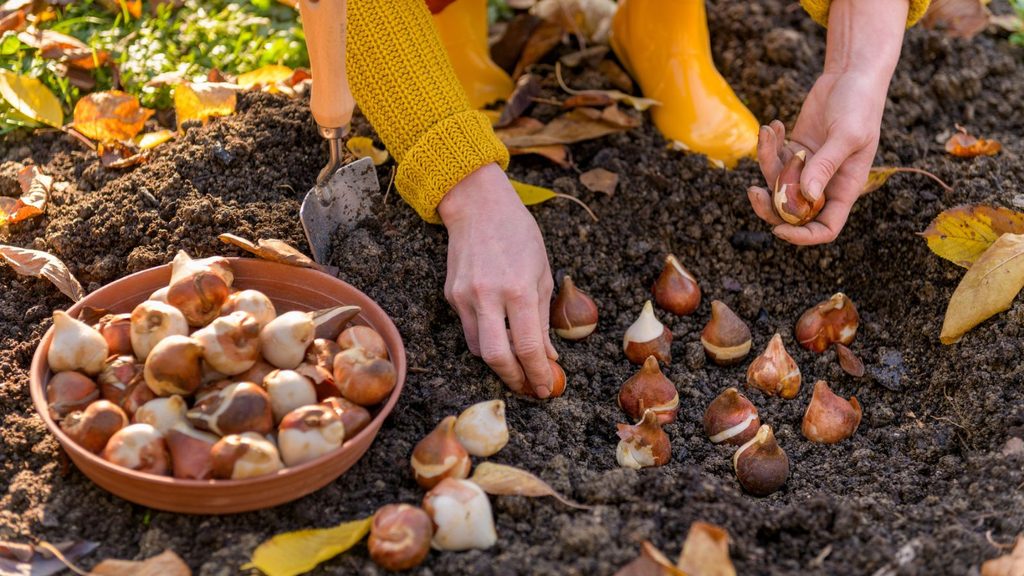
Confusion about timing trips up gardeners in both directions. Planting while the soil is still warm from summer does not get a tulip bulb any closer to blooming, since its chilling clock doesn’t start until the soil is cool enough, whatever the planting date says. Gardeners who wait too long sometimes toss out perfectly good bulbs that still had weeks of planting time left. Many gardeners default to whatever worked the previous autumn, treating one good year as a permanent rule, even as a warmer-than-usual fall keeps that soil number higher for longer than they expect.
This year’s forecast complicates the math further
NOAA’s Climate Prediction Center puts the odds of a strong to very strong El Niño holding through January to March at better than 83%, in a forecast discussion issued Oct. 8. The agency’s national winter outlook favors warmer-than-average temperatures across the Midwest, the Mississippi Valley, much of the East, the Pacific Northwest, northern California, Alaska and Puerto Rico, while the Southeast and Florida are more likely to see near-normal readings.
Hawaii and much of the Southwest sit in a toss-up category, with no outcome more likely than the rest. A date that worked last fall offers no guarantee for this one, not with odds like these behind it.
The number that actually decides planting time
In North Carolina, the Pamlico County office of North Carolina State University Extension tells gardeners to watch the thermometer, not the weather app. Extension agents Daniel Simpson and Jessica Strickland advise planting once soil temperatures drop below 60 degrees Fahrenheit, when tulip bulbs start banking the 12 to 16 weeks of cold they need before they can bloom.
The same 12-to-16-week chilling requirement applies when you force tulips indoors. Iowa State University Extension lists 40 to 45 degrees Fahrenheit for that process, while Purdue University puts the range at 8 to 16 weeks. Purdue warns that skipping the chilling period may leave a bulb producing leaves in spring without flowers, a shortfall nothing fixes once spring arrives.
North Carolina State’s own material describes a gentler version of the same failure. Bulbs that fall short on chilling time tend to come up with short stems and blooms sitting low to the ground, rather than skipping flowers altogether. Either way, the clock starts only once the bulb is in the ground, not on the day a gardener bought it or set it aside by the back door.
The Midwest runs by a different clock
The Upper Midwest works on its own timeline entirely. Iowa State University Extension tells gardeners they can plant spring-flowering bulbs as late as December, as long as the soil has not frozen solid. The National Weather Service’s La Crosse, Wisconsin, office backs that up with local numbers, putting the odds of a warmer-than-normal winter at 40% to 60% across northeast Iowa, southeast Minnesota and western Wisconsin.
A normal Upper Midwest winter still runs cold, with La Crosse averaging a high of 30.8 degrees Fahrenheit and a low of 14.1 from December through February. This year’s warmer odds, a federal forecast that tilts toward a milder winter for western Wisconsin, southeast Minnesota and northeast Iowa, could move the real freeze date closer to the December cutoff Iowa State already allows for, rather than cutting the season short earlier.
Oregon shows how much the rule can vary
In Oregon, the planting cutoff depends on which side of the state you’re on. Heather Stoven, a horticulturist with Oregon State University Extension, advises gardeners in western Oregon that they can keep planting into mid-December, while growers in central and eastern Oregon should plant from late September through October, allowing two to three weeks for roots to grow before the ground freezes. That six-week difference between two parts of the same state comes down to when each region’s ground actually freezes.
Pennsylvania’s version comes down to frost
Pennsylvania skips the thermometer test altogether and goes by frost instead. Penn State Extension master gardener Peter Ekstam recommends getting spring bulbs into the ground before the first frost, a window that typically runs from September to October in the western part of the state, tighter than the mid-December cutoff some Western gardeners enjoy. Planting early gives roots time to establish before the soil locks up for winter.
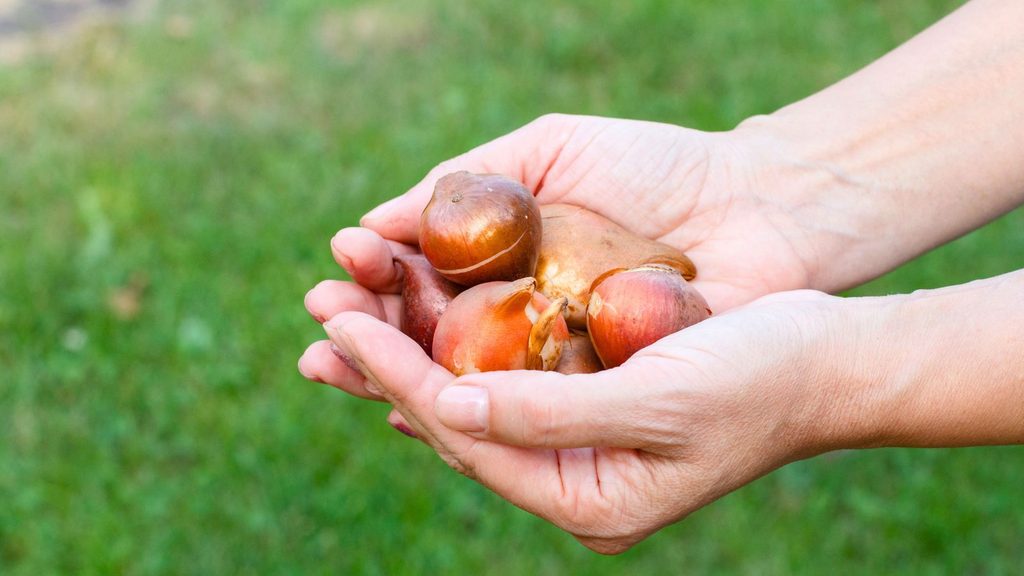
A longer window, not a guarantee
The National Weather Service’s La Crosse office expects this El Niño to stay strong through the end of the year, which means typical planting deadlines could run later than usual across much of the map. Gardeners working with a late start still have options: in zones 8 through 10, where soil rarely cools enough on its own, gardeners already chill bulbs in a refrigerator for six weeks before planting.
Mandy writes about food, home and the kind of everyday life that feels anything but ordinary. She has traveled extensively, and those experiences have shaped everything, from comforting meals to small lifestyle upgrades that make a big difference. You’ll find all her favorite recipes over at Hungry Cooks Kitchen.