
A snapshot of a whale’s tail can do more than fill your camera roll. Researchers who track Hawaii’s humpbacks rely on tour-boat photos, and the photographer controls most of what makes a shot worth sending. Get those details right, and your souvenir joins a search that already links whales across continents.
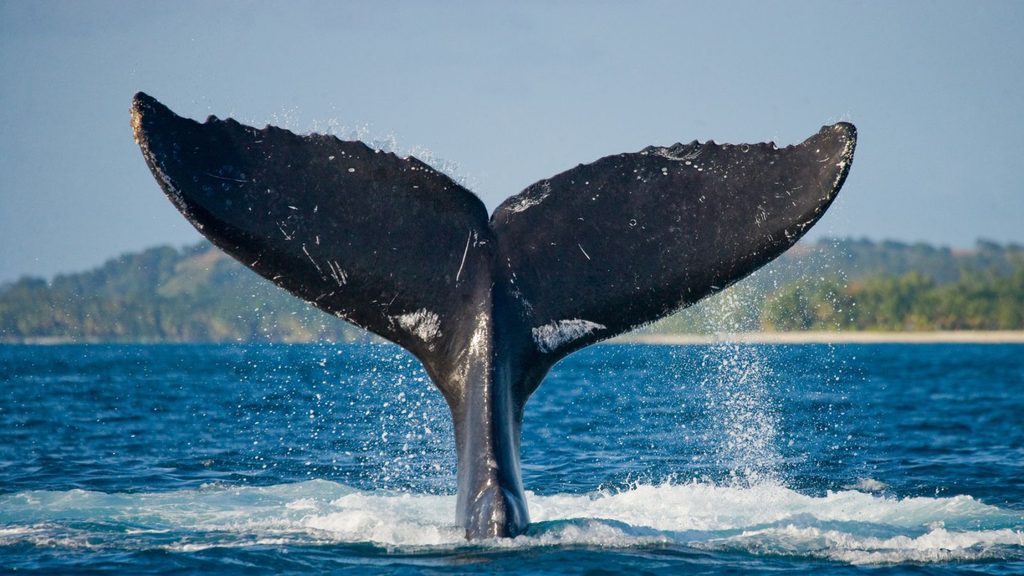
A recent study of Hawaii’s humpbacks pooled photographs from numerous research organizations and members of the public, then matched whales in Happywhale, an online platform where people send in whale photos. The researchers logged 37,384 sightings submitted for 2002 through 2023, and 27,698 met the study’s photo-quality threshold.
NOAA’s Hawaiian Islands Humpback Whale National Marine Sanctuary lists November through April as the window when visitors can see whales from shore and at sea. The whales spend the summer feeding in Alaskan and Canadian waters, then travel to Hawaii to breed and give birth.
A tail photo becomes data
Each humpback’s tail flukes have a unique shape and pigmentation, so researchers can tell individual whales apart from photographs. “Their flukes are a bit like a fingerprint for each individual humpback whale,” study author Shannon Barber-Meyer said.
Happywhale’s image recognition compares the shape and pattern of a whale’s tail, and the study says all matches in Happywhale require manual confirmation. The platform tells the uploader where else a matched whale has been seen and who recorded those sightings, and a trained data manager confirms or rejects each proposed match before it becomes a record.
1 whale, 2 continents
A male humpback photographed off Colombia’s Pacific coast in 2013 turned up in a photo taken off Zanzibar in 2022, and no one saw the trip in between. The two places are 13,046 kilometers, or about 8,100 miles, apart in a straight line. Different photographers took the pictures, and Happywhale’s system matched the tails. The researchers who wrote up the match estimate he was at least 15 by then.
Where the photos come from
Some of the study’s photos came from research vessels. Others came from “platforms of opportunity such as whale watching tours and private vessels,” the paper says. Pacific Whale Foundation takes photo donations through an online form that requires the photographer’s name and the date the picture was taken, along with a GPS location or general description, such as which harbor the boat departed from.
Its Finders Free program accepts humpback tail photos taken aboard one of its vessels in Hawaii from October through April, as long as the whale matches an individual already logged in its photo-ID catalog.
How to submit a photo
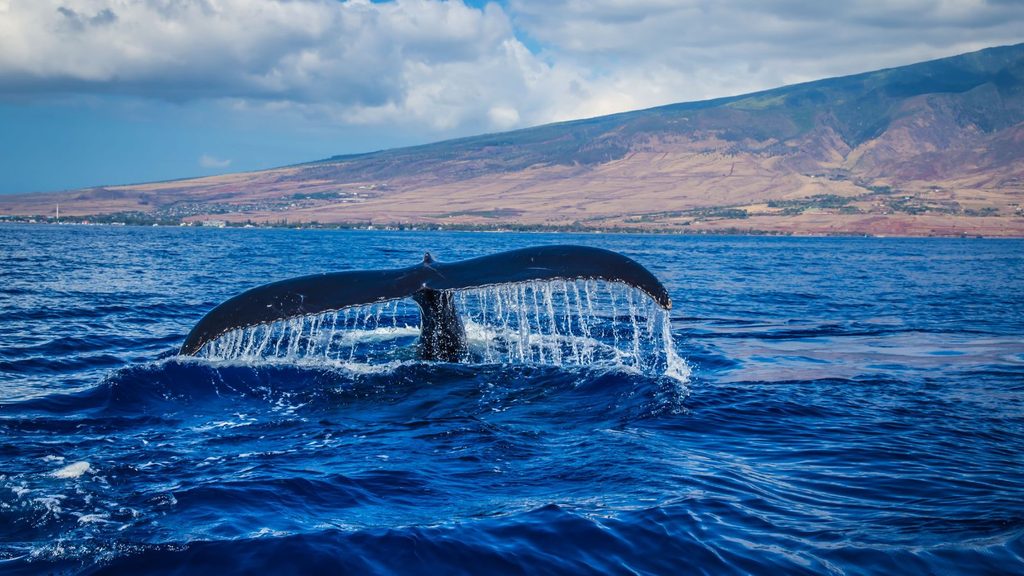
A visitor on a whale-watching tour can take many photos and aim for the underside of the tail. Photos go to Happywhale, whose site invites people to send in whale photos so it can identify “the individuals for fun and for science.” Happywhale also welcomes images from past sightings. Uploading is free but requires an account.
What makes a tail photo useful
A Cleveland-based photographer who wrote about the Zanzibar match advises shooting from behind the whale and slightly off its line, so the underside of the tail faces the camera. The frame needs both tips and the notch in the middle, with room to spare, because the matching software often struggles when the frame cuts off part of the trailing edge.
Soft or murky photos can still be matched, and an off-angle shot is worth sending. Set the camera’s clock to local time before the trip and record the position with GPS or a written note. A photo without a date and location is only a picture; with both, it becomes a data point.
Keep your distance
Federal law prohibits approaching humpback whales within 100 yards in Hawaii, including by boat, kayak, drone or swimming. The viewing guidance recommends binoculars or a camera’s zoom for a close-up. The rule covers the photographer too, so the framing described above has to come from zoom, not proximity.
A tour photo still counts
The study did not count public observations toward its measure of research effort, which came only from collaborating research organizations. A tour photo with a date and place can still count as a sighting. Of the study’s sightings, 99.97% happened between November and May, so a photo taken now comes from the months when researchers see the most whales.
Mandy is a luxury travel, fine dining and bucket-list-adventure journalist with expert insight from 47 countries. She uncovers unforgettable experiences around the world and brings them to life through immersive storytelling that blends indulgence, culture and discovery, and shares them with a global audience as co-founder of Food Drink Life. Her articles appear on MSN and through the Associated Press wire in major U.S. outlets, including NBC, the Daily News, Boston Herald, the Chicago Sun-Times and many more.