
Whale watchers are heading out in growing numbers, and knowing where to go whale watching helps them catch the action at its peak. Coastal towns are rolling out guided tours and observation decks as seasonal migrations begin. Hosted experiences now include species education, hands-on involvement and a closer look at local rescue efforts, giving visitors a deeper understanding of ocean life.
This post may contain affiliate links that may earn us a commission. For more information, see our Disclosures.
Following migration patterns and checking in with trusted tour operators or local researchers increases travelers’ chances of a meaningful whale encounter. This preparation helps with timing, builds basic knowledge of whale behavior and ensures visitors get more than just a boat ride.
California delivers with its marine highways
Whale sightings occur across California’s coastline, but Monterey Bay and Dana Point stand out for access and species variety. Monterey Bay sees activity nearly all year. Gray whales arrive in winter and early spring, while blue and humpback whales dominate the warmer months. Tour operators conduct daily cruises out of the bay, often accompanied by marine biologists who track migrations.
Further south, Dana Point calls itself a whale-watching hub with year-round dolphin and whale activity. While sightings shift with the seasons and ocean conditions affect visibility, the waters often host large numbers of migrating gray whales. Just up the coast, the Santa Barbara Channel also sees humpbacks and blues, especially during feeding season. The Pacific Marine Mammal Center in Laguna Beach adds depth to the visit with behind-the-scenes insights into local seal rescue efforts.
Alaska offers spectacle with scenery
Alaska’s whale watching provides front-row views and larger-than-life surroundings. In Juneau, humpbacks return from mid-June to early September. The chance to witness their rare, coordinated hunting strategy, bubble-net feeding, adds to the draw, though it doesn’t happen on every tour. Operators often work with researchers to monitor whale behavior and adjust routes accordingly.
Over in Kenai Fjords National Park, orcas and humpbacks travel through icy channels framed by towering glaciers. Wildlife cruises pair whale sightings with views of calving ice and sea otters bobbing near the shore. Sitka Sound, less traveled but no less impressive, draws whales reliably in the spring. It’s a quieter alternative where small-group tours and easy access to hiking trails give travelers room to explore. Cultural stops like the Sitka National Historical Park add another layer, offering a closer look at Alaska Native heritage between wildlife excursions.
Hawaii brings humpbacks close to shore
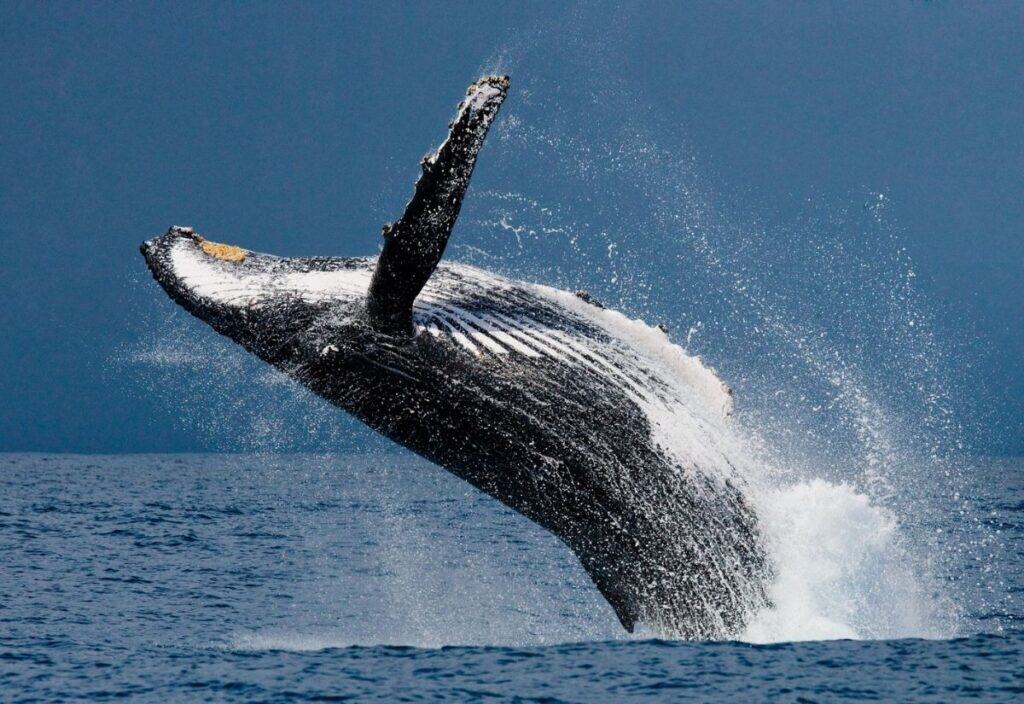
Hawaii’s whale season draws attention for good reason. Thousands of humpbacks make the annual migration from Alaska to the warmer waters of Hawaii to breed and calve. Maui remains a central hub, with Lahaina and Maalaea Harbor offering front-row seats to acrobatic breaches that often occur surprisingly close to shore.
On the Big Island, Puako and the Kohala Coast provide a quieter stretch of coastline with fairly reliable sightings, although frequency varies depending on ocean conditions and time of season. The migration season typically peaks from December to April but shifts slightly year to year. Tour operators often bundle whale watching with other excursions like snorkeling or night dives with manta rays, creating immersive experiences within a single itinerary.
New England gives the Atlantic its moment
New England’s whale season starts mid-spring and continues through early fall, shifting slightly depending on weather and food sources. Cape Cod Bay and Stellwagen Bank just off the coast are recognized feeding grounds for humpbacks, finbacks and minkes, making them reliable areas for sightings in the summer.
Provincetown serves as a launch point for daily tours, many of which partner with research institutions like the Center for Coastal Studies, though not all of them are led by researchers. In Bar Harbor, whale activity peaks in the summer, offering strong chances of sightings, though none are guaranteed. Once back on land, fresh lobster rolls and maritime history museums round out the experience.
Pacific Northwest mixes whales with forest air
The San Juan Islands are a prime location for orca spotting, especially for transient orcas that have grown more common in recent years. Resident pods still frequent these waters, though sightings of killer whales have declined due to salmon shortages. Spring through fall is typically the best season for tours, though exact timing depends on prey availability and tides. Many sightings happen from land, especially at places like Lime Kiln Point State Park.
Port Townsend adds charm and access to whale tours along the Olympic Peninsula, with operators offering regular departures during the main season. Kayaking alongside orca migration routes is possible but tightly regulated, with paddlers required to maintain at least 300 yards from Southern Residents. With lush forests and a coastline rich in marine life, this region offers a balance of nature and wildlife that appeals to both casual visitors and dedicated spotters.
Know before you go
High demand during whale season limits tour availability in places like Monterey and Maui. Booking early secures a better time slot and avoids last-minute sellouts. Many travelers opt for morning departures when seas are generally calmer and conditions favor better visibility. Quick weather changes are common offshore, so dressing in layers is a smart move.
Federal guidelines require vessels to stay at least 100 yards from whales. Some species or regions may have stricter rules. Operators aligned with the Whale SENSE program follow these protections closely and provide onboard education during trips. That partnership helps ensure each encounter supports both conservation and public awareness.
Whale watching with a purpose
Whale watching in the United States brings science, tourism and conservation together in motion. Across coastal states, researchers track migrations while tour operators open windows into marine life that’s often out of reach. Travelers drawn by orcas, humpbacks or finbacks walk away with more than just photos. They leave with context, urgency and a clearer view of how wild spaces need shared stewardship.
Jennifer Allen, retired chef turned traveler, cookbook author and writer, shares her adventures and travel tips at All The Best Spots. Living at home with her family, and the cats that rule them all, her work has been featured in The Washington Post, Seattle Times, MSN and more.