
Fresh paint and polished counters can steal attention from the sentences that matter in an inspection report. Expensive questions often hide in an unfamiliar panel name, an excluded system, or a recommendation for further evaluation. Buyers shouldn’t diagnose these conditions themselves and should know when an inspector recommends bringing in a licensed specialist to take a closer look before closing.
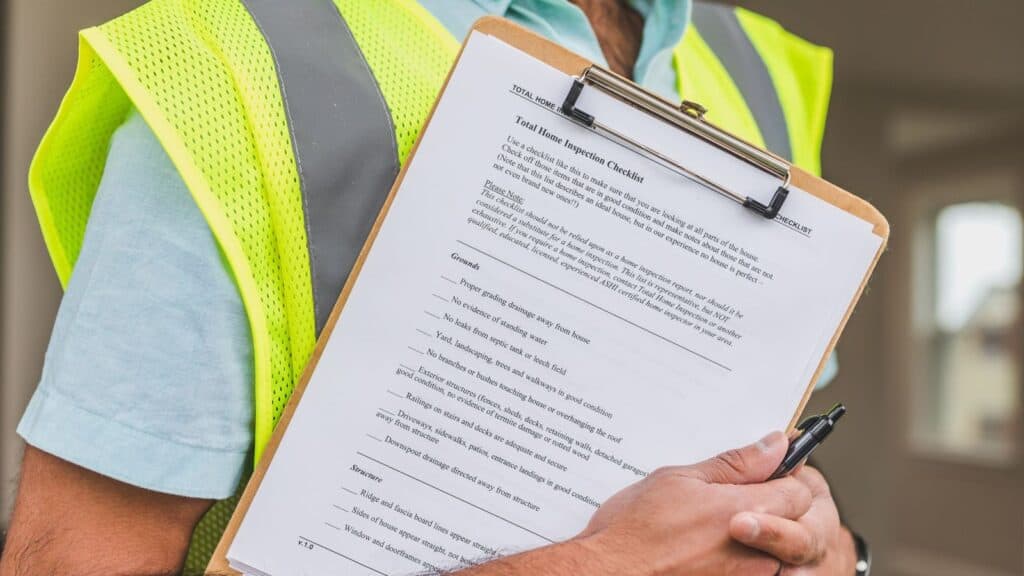
A Federal Pacific Panel Deserves More Review
A Federal Pacific Electric Stab-Lok label should prompt evaluation by a licensed electrician, not an automatic verdict. The Consumer Product Safety Commission found that many breakers did not fully meet Underwriters Laboratories calibration requirements, yet it closed its investigation without determining that the equipment posed a serious injury risk. Treat the panel as a reason for specialist review rather than repeating an unsupported fire count.
Aluminum Branch Wiring Needs the Right Repair Advice
Solid aluminum branch-circuit wiring used from the mid-1960s through the mid-1970s can overheat at connections. CPSC research found pre-1972 aluminum-wired homes were 55 times more likely than copper-wired homes to have at least one outlet connection reach defined fire-hazard conditions. Have a qualified electrician identify the wiring and recommend a recognized repair method.
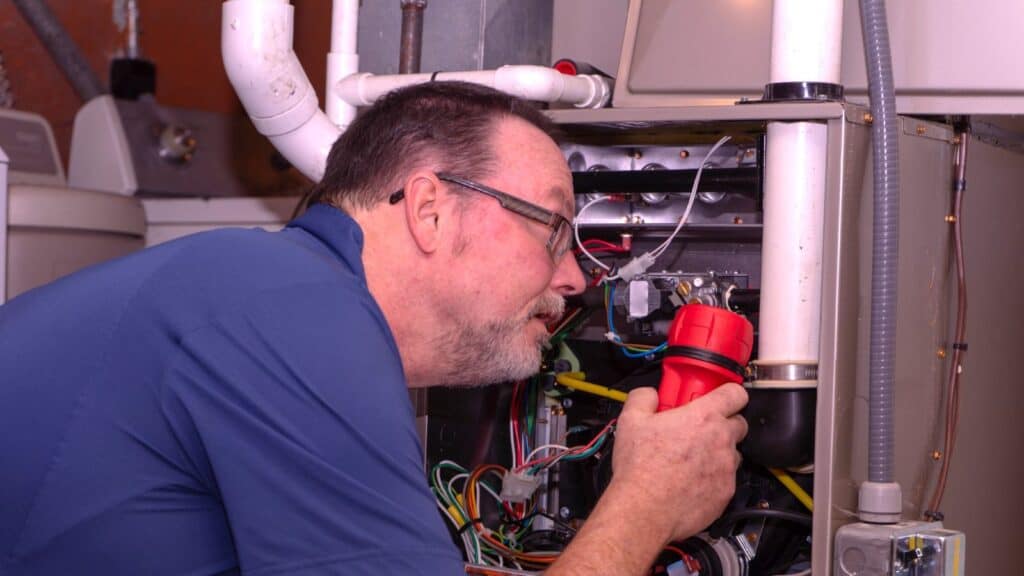
The Heat Exchanger May Be Outside the Inspection
A general inspection covers visible, accessible heating equipment, but the American Society of Home Inspectors’ standard does not require examination of the heat exchanger itself. Confirming an internal crack may require testing beyond a noninvasive inspection. If the report notes corrosion, abnormal operation, or further evaluation, arrange an HVAC inspection before the contingency ends.
Gray Pipe Is a Clue, Not a Diagnosis
Gray flexible supply pipe may be polybutylene, but color alone is not conclusive. InterNACHI notes that deterioration can occur internally and cannot be tested through a normal visual inspection. Ask a licensed plumber to identify questionable piping, determine how much is present, look for prior repairs or leaks, and explain the options. Do not assume every gray line is failing.
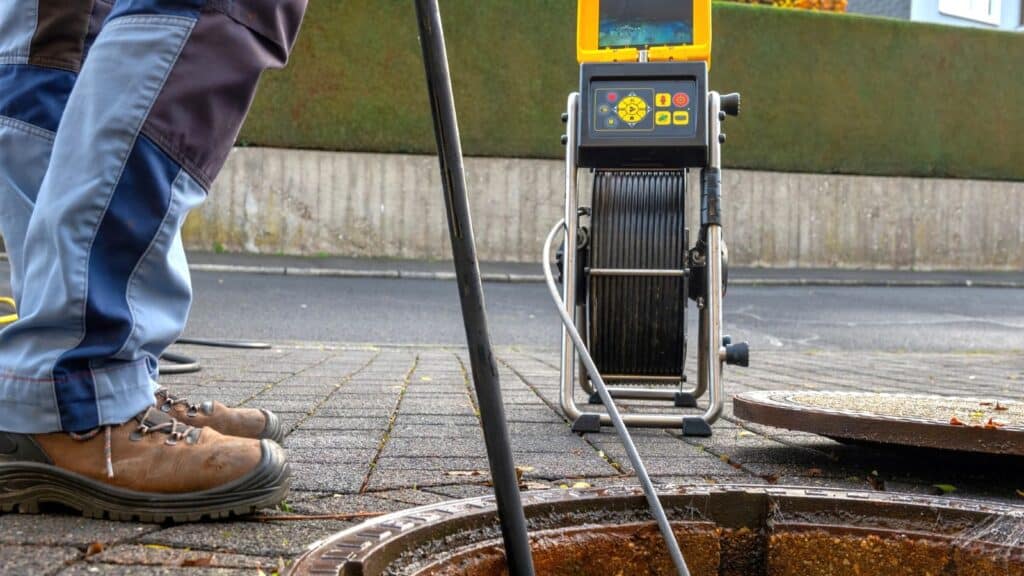
The Sewer Lateral May Need Its Own Camera
The buried sewer lateral is generally outside a standard inspection because its interior is not visible without specialized equipment. ASHI describes a sewer-lateral scan as a separate camera service. A scope can reveal blockage or pipe damage before closing. Ask about one when the home is older, mature trees are nearby, drainage is slow, or the inspector sees evidence of backup.
Drainage That Sends Water Toward the House
Inspectors evaluate grading and surface drainage where they may contribute to moisture intrusion. Soil sloping toward the foundation, short downspouts, ponding, or stains near lower walls can keep water against the structure. The right response depends on the source and site. Ask whether gutters, extensions, grading, drains, or specialist evaluation are appropriate instead of assuming regrading solves every condition.
Efflorescence Points to Water Movement
White powder on masonry is usually efflorescence, a salt deposit left as moisture moves through the material and evaporates. It indicates moisture movement, not proof of an active leak, structural failure, or mold. Look for stains, deterioration, odors, high humidity, or seepage and ask what further investigation is justified.
Renovations Without a Clear Permit Trail
A home inspector evaluates visible conditions, not municipal permit compliance. Additions, converted garages, finished basements, or relocated utilities should prompt a permit-record check. Requirements vary locally, but unresolved work can require documentation, inspections, corrections, or access to concealed construction. Verify the record with the building department and discuss contract or title implications with the appropriate real estate professional.
Radon Cannot Be Cleared by a Visual Inspection
Radon is excluded from a standard visual inspection and requires testing. The Environmental Protection Agency recommends that homebuyers test and fix a home at 4 picocuries per liter or higher; lower levels still carry risk. Use a qualified tester when state rules require one, protect the test conditions, and obtain records for any existing mitigation system.
Read the Limits Before You Read the Photos
An inspection report is not a warranty or a complete technical diagnosis. Its greatest value is showing where the visual review ends and a specialized question begins. Read the scope, exclusions, and referral language while the contingency is active. That turns a vague warning into a decision supported by the right professional, the right records, and time to act.