
Thanksgiving leftovers go home with guests in many households, but which dish goes to whom varies by family. Some cooks keep the turkey and let guests divide the sides and desserts among themselves. Others send each dish straight back with whoever brought it, which can leave a host without the turkey they wanted for Friday.
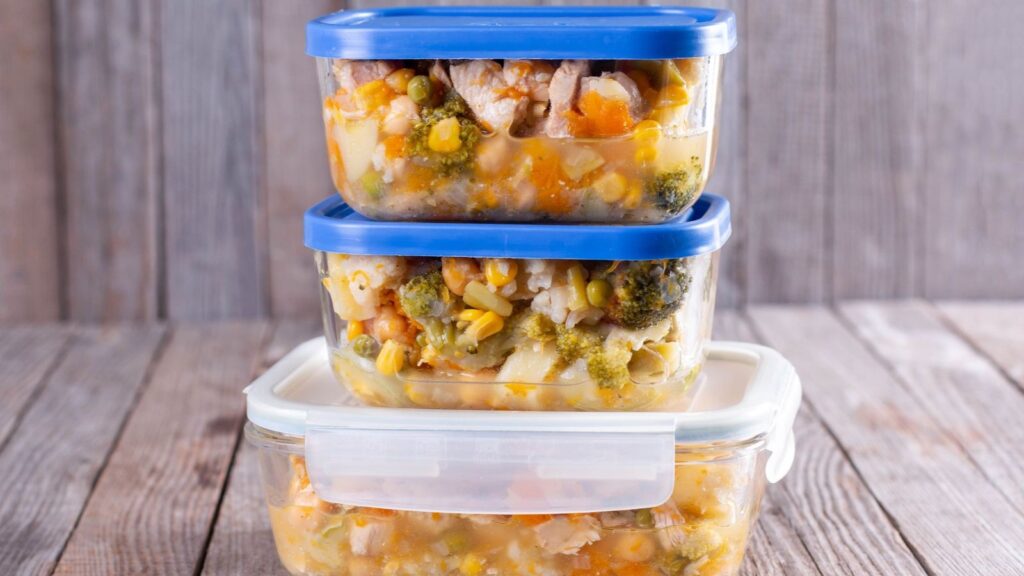
A recent study of U.S. households surveyed around Thanksgiving last year found that 37% of hosts sent guests home with leftovers. Researchers listed the practice among hosts’ efforts to limit food waste. About half of the households also answered a follow-up survey in a non-holiday week in December, letting researchers compare how much food went in the trash.
The host usually bought the ingredients and cooked the meal, while guests brought their appetites and, in some homes, a dish of their own. For some families, sending a guest home with a container is a small act of care that extends the meal beyond a single afternoon. Whichever approach a household uses, the goal is getting the food eaten.
The unwritten rules vary from one household to the next
In some households, the turkey or the ham stays with the person who cooked it. Guests in those homes often divide the sides and desserts among themselves, taking a portion of whatever the table did not finish. The arrangement tends to follow the work, since the cook keeps the dish that took the most effort and guests take what they helped finish eating.
In other homes, the dish goes back with whoever brought it. That arrangement is practical, but it can create an awkward moment when the host wants those leftovers for the days after the meal. The container matters too, because a guest with a reusable one may have an advantage over a guest who relies on the host’s plasticware.
Leftovers turn into the next day’s meals
Some cooks choose and size their Thanksgiving dishes with the leftovers in mind. A turkey big enough to feed the table leaves plenty for later, so some hosts buy a bigger bird with that in mind. Extra stuffing and mashed potatoes make the list in some kitchens too, since both reheat easily and turn into other dishes. Respondents most often said they used leftovers for another meal the next day, followed by sending some home with guests.
Once leftovers get home, how they are eaten depends on what went home with them. A host who kept the turkey has the makings of sandwiches on Friday and soup by the weekend, and the carcass simmers into broth for either one. Shredded turkey also fills a pot pie with leftover gravy as the sauce, or goes into enchiladas for households that want a new dish once the first round of sandwiches runs out. Recipe developers have built whole dishes around the day after, from turkey casserole to stuffing waffles.
Guests who took sides and desserts end up with a different set of meals. Stuffing crisps in a skillet for breakfast with a fried egg, and mashed potatoes fry into potato cakes for lunch. Cranberry sauce goes onto the sandwiches or into a bowl of oatmeal, while a slice of pie becomes breakfast in some households. Roasted vegetables fold into a frittata for brunch, and leftover rolls turn into bread pudding. Because those dishes travel in guests’ containers, the next day’s meals spread across several kitchens instead of one.
Sending food home is one way hosts try to limit waste
The extra food that fills those containers comes from decisions made before the meal. Clearing space is a first step for some households, since about one in five respondents involved in a Thanksgiving meal said they threw out food to make room for the holiday provisions. Of those who prepared food for a holiday meal, 74% made more than needed, and more than a third of preparers said they did it to have leftovers. For those cooks, the leftovers are part of the plan.
Taking part in the meal is linked to more food in the trash. Households that both hosted and attended a Thanksgiving meal reported throwing out 140% more food per person than households that did neither, after the researchers adjusted for household characteristics. Sending a container home gives some of that extra food somewhere to go besides the host’s trash.
Sending food home also comes with a deadline, since federal food safety guidance advises refrigerating leftovers within two hours and dividing large portions into smaller containers. Refrigerated leftovers are safe for up to four days, which for a Thursday meal runs through Monday.
Deciding the handoff ahead of time makes the meal last longer
A holiday meal is easier to manage when everyone knows where the food is headed before the plates are cleared. A quick conversation about who takes what keeps good food from going to waste and spares the host a standoff over the pot pie. Leftovers are one more way a shared meal can keep serving the people who gathered around it.
Jennifer Allen is a retired professional chef and long-time writer. Her work appears in dozens of publications, including MSN, Yahoo, The Washington Post and The Seattle Times. These days, she’s busy in the kitchen developing recipes and traveling the world, and you can find all her best creations at Cook What You Love.