
Somewhere in California, a flying robot has one very odd job. It’s built to wrestle avocados off the tree, and avocados don’t come off easy. Twisting works on most fruit, but avocados fight back, storing tension in the stem that can ruin the pick, National Avocado Day or not.
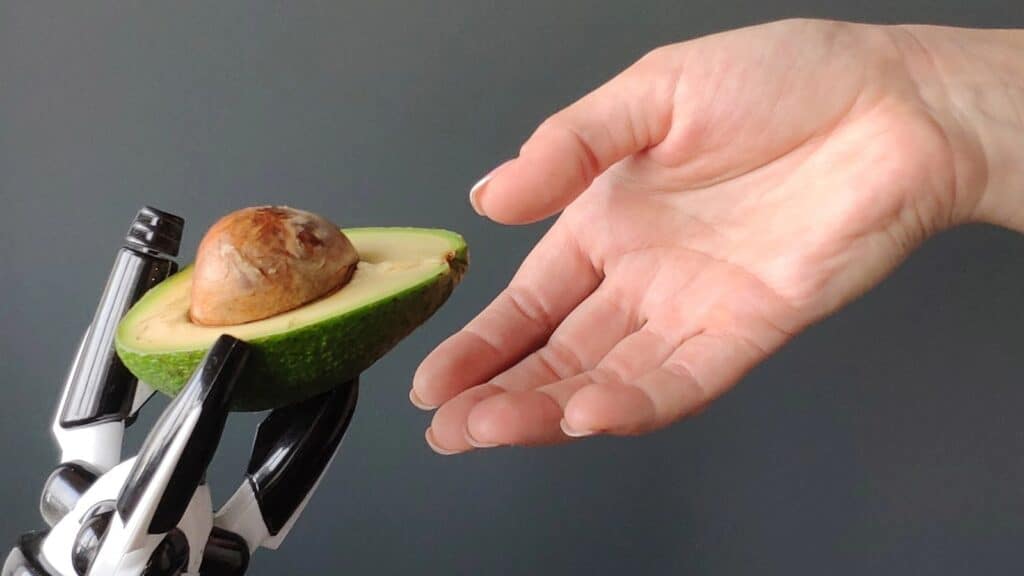
Most fruit-picking robots roll along the ground beneath neat, even rows of trees. Avocado orchards don’t play by those rules. The ground is uneven, the trees aren’t spaced evenly and the fruit often hangs too high to reach without climbing into the air, which is exactly why National Avocado Day, on July 31, makes for a good moment to notice how much work goes into a fruit most people just scoop into a bowl.
A robot with 2 arms and 1 stubborn fruit
A team at UC Riverside built a drone with two arms that split the job. The fixer arm grabs the stem first and holds it steady. Only then does the gripper arm move in, grab the avocado and twist it free.
An onboard artificial intelligence vision system spots avocados on the tree and figures out exactly where each arm needs to go. It uses a 3D camera and a training set of more than 1,000 avocado images to make that call. In lab tests, the fixer arm nailed the stem all 10 times it tried, and the gripper arm brought home the avocado in eight of those 10 tries.
Researchers have already used the robot to pick real avocados at UC Riverside’s own research orchard. It’s still a prototype, not something farms can buy yet.
An AI that knows if your avocado is ripe
Picking the avocado is only half the problem. Knowing whether it’s actually ready to eat is the other half, and that’s the piece Oregon State researchers set out to solve. Their smartphone-based AI predicts an avocado’s ripeness from a single photo, no squeezing required.
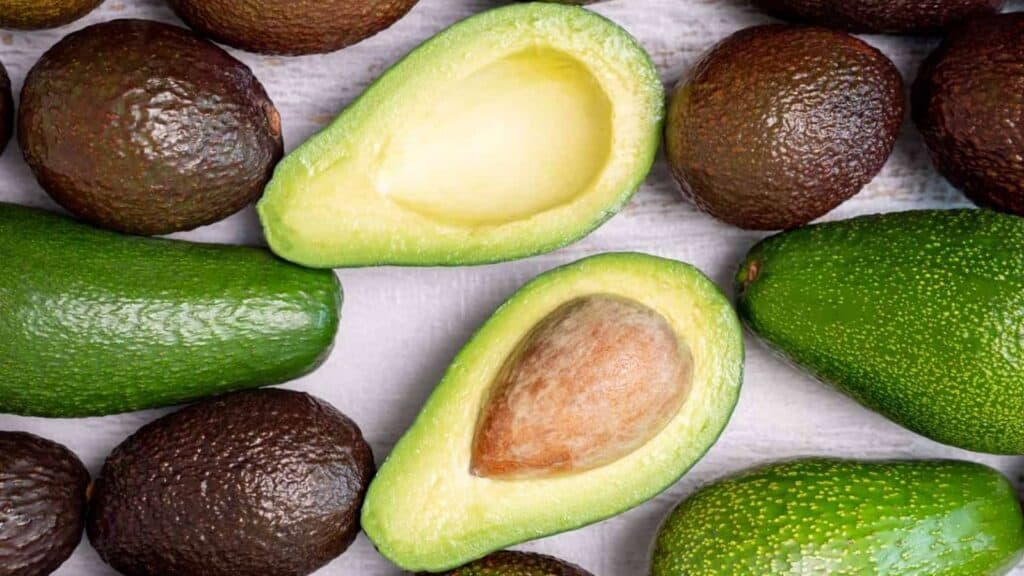
The system was trained on more than 1,400 iPhone photos of Hass avocados. It correctly predicts firmness about 92% of the time and catches spoiled fruit over 84% of the time.
Assistant professor Luyao Ma led the project with doctoral student In-Hwan Lee. Ma’s own motivation was relatable. As a frequent avocado toast eater, she’d grown tired of cutting into ones that looked fine outside and turned out mushy inside.
2 universities, 1 very specific fruit
Two schools, working completely apart, landed on the same fruit as the one worth solving. Both projects still have work ahead of them.
UC Riverside’s robot needs more field testing before it’s anywhere near commercial use. Oregon State’s team is still refining its AI before it lands in an app people can actually download.
But between a robot that can pick the fruit and an AI that can tell when it’s ready, avocado toast might finally get a little more predictable.
Jennifer Allen is a retired professional chef and long-time writer. Her work appears in dozens of publications, including MSN, Yahoo, The Washington Post and The Seattle Times. These days, she’s busy in the kitchen developing recipes and traveling the world, and you can find all her best creations at Cook What You Love.