
Tucked between Italy and the Alps sits a country the size of New Jersey that most Americans still can’t place on a map, and that’s exactly why the ones who find it won’t stop talking about it. They come home describing a wine valley where mountain winds sharpen the grapes, a medieval square that smells like honey and a thermal riviera with more water than some hometown lakes. The itineraries getting passed around look nothing like anything in the guidebooks.
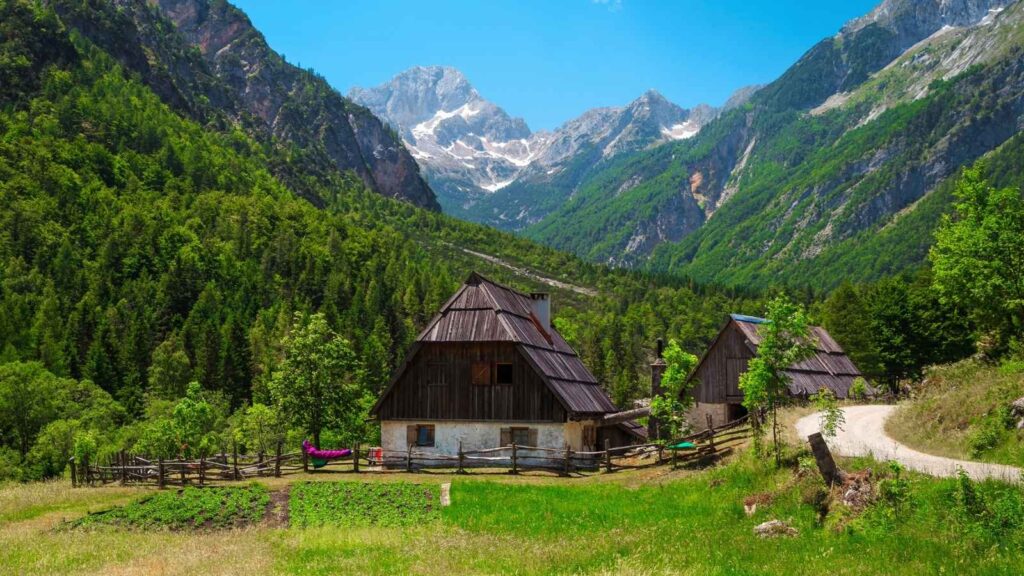
For decades, Slovenia sat in the blind spot between Venice and the Croatian coast, a place Americans drove through on the way to somewhere else. That era is closing fast. What draws travelers now is a version of Europe that gets harder to find every year: uncrowded trails, family-run kitchens, hosts who still ask your name. The confident travelers treat the famous Lake Bled as a first stop rather than the whole story, then keep going into valleys most visitors never reach.
The numbers behind the quiet boom
The momentum is now measurable. Slovenia just closed its most successful tourism year on record, welcoming about 7 million visitors who generated nearly 17.8 million overnight stays. American travelers are a striking part of that story. Overnight stays by U.S. guests have grown by double digits for three consecutive years, a run that began with a 28% jump the Slovenian Tourist Board called the highest ever recorded. Tourism officials say Americans come for boutique stays, outdoor adventure, gastronomy and wine.
Radovljica, the medieval town next door to Bled
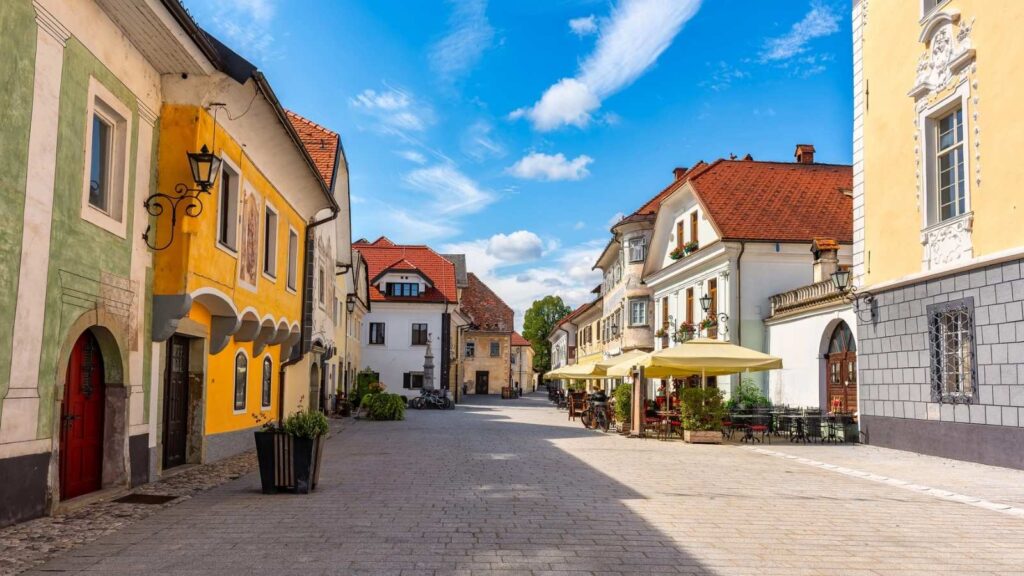
Just a few kilometers from Lake Bled, Radovljica offers what many travelers hoped Bled itself would deliver: a preserved medieval old town, open-air concerts through the summer and almost none of the tour-bus crush. The town’s beekeeping museum cements its honey-sweet local identity, and its restaurant Hiša Linhart, led by chef Uroš Štefelin, holds a Michelin star. Visitors sleep in the old town, walk to dinner and reach the famous lake in minutes when they want it.
The Vipava Valley and Brda, wine country without the lines
Slovenia’s western wine regions are posting some of the strongest visitor growth in the country. In the Vipava Valley, winemakers pour orange wines and native varieties like Zelen inside stone villages, and Gostilna Pri Lojzetu, set in a hilltop Renaissance manor, carries a Michelin star of its own. Neighboring Brda, pressed against the Italian border, delivers rolling vineyard hills that draw constant comparisons to Tuscany at a fraction of the cost and the crowd.
Thermal spa country in the east
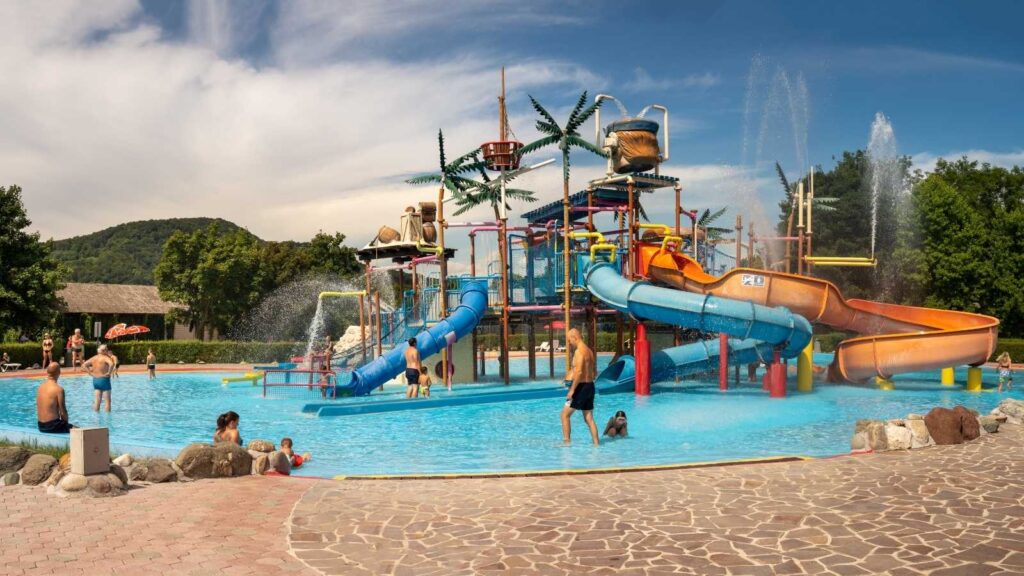
Slovenia’s eastern regions built their identity on thermal water, and American wellness travelers are catching on. Terme Čatež, the country’s largest thermal resort, runs its summer riviera of almost 3 acres of outdoor thermal pools near the confluence of the Sava and Krka rivers. The surrounding Dolenjska region now ranks among the fastest-growing destinations in the country, proof that a spa tradition long beloved by Central Europeans is finding a new audience.
The Soča Valley, where cycling and gastronomy meet
The emerald Soča River threads a valley that has become a pilgrimage for two kinds of traveler. Cyclists arrive chasing the roads that produced the sport’s biggest current stars, with the country set to host the UEC Road European Championships this fall. Food travelers arrive for Kobarid, home to Hiša Franko, where chef Ana Roš holds three Michelin stars at a farmhouse table that draws bookings from every continent. Many visitors come for one and leave converted to both.
Growth is spreading, not concentrating
The most telling data point sits outside the famous destinations. Slovenia’s smaller and mid-sized destinations recorded the country’s highest growth in overnight stays, led by a jump of more than 20% in the Šalek Valley, with Dolenjska, Nova Gorica and the Vipava Valley, Brda and the Upper Savinja Valley close behind.
The newest Michelin Guide recommends 74 restaurants across the country, and nearly all of its 13 stars shine outside the capital. Americans are arriving in record numbers just as the country’s tourism map stretches wider than it has ever been.
Where this goes next
Slovenia’s tourist board has been explicit about the road ahead: more travelers in more places, a longer season and a promotion push building toward the Winter Olympics cycle. The country that spent decades as Europe’s drive-through is becoming its destination. The Americans booking now are simply getting there first.
Jennifer Allen is a retired chef turned traveler, cookbook author and nationally syndicated journalist; she’s also a co-founder of Food Drink Life, where she shares expert travel tips, cruise insights and luxury destination guides. A recognized cruise expert with a deep passion for high-end experiences and off-the-beaten-path destinations, Jennifer explores the world with curiosity, depth and a storyteller’s perspective. Her articles are regularly featured on the Associated Press Wire, The Washington Post, Seattle Times, MSN and more.