
Apple butter has medieval roots in Europe, and every October, thousands of Americans gather around open fires to keep making it the old way. The spread crossed the Atlantic with German-speaking immigrants, worked its way into Appalachian foodways and beyond. This fall, the copper kettles are going up again from West Virginia to Missouri.
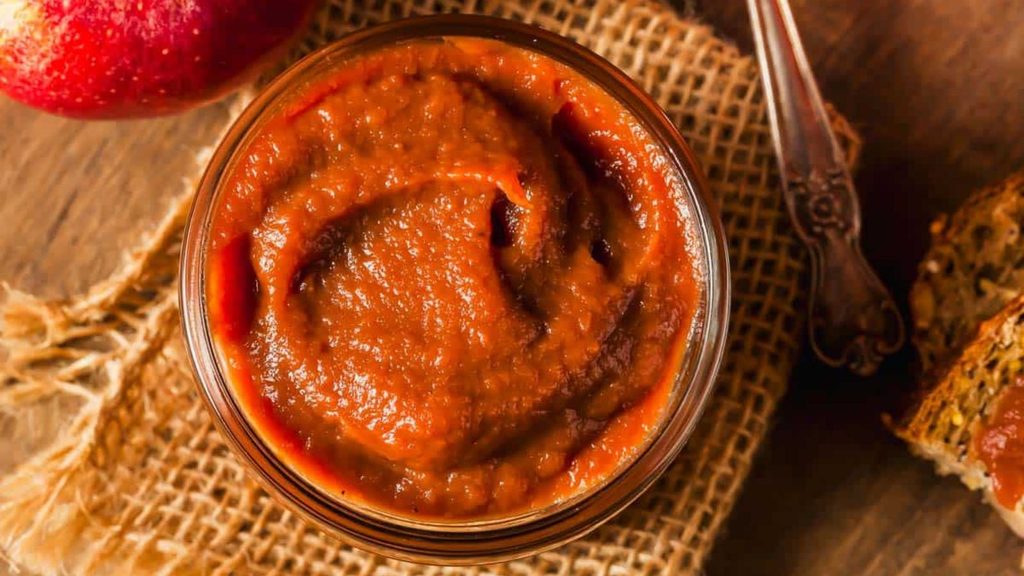
The name “apple butter” refers to texture, not ingredients. It is the thick, slow-spreadable consistency that results from cooking apples down far enough that, as the fruit breaks down, moisture evaporates. The sugars become increasingly concentrated, producing its dark color and rich flavor, with no dairy involved at any point.
Pennsylvania Dutch communities, descended largely from German-speaking immigrants, adopted and preserved the tradition in America and called it “lattwaerrick,” a word that captures neither the patience required to make it nor the smell of it cooking, both of which need to be experienced to understand. The jar from the grocery shelf travels further than most people use it, turning up in batters, marinades and glazes just as easily as it does on warm biscuits or blondies.
An 1891 cookbook recipe called for boiling cider down to half its volume, adding bushels of peeled apples, then stirring constantly for eight to 10 hours. Some dropped a silver dollar into the kettle during cooking, a piece of Appalachian apple butter folklore whose origins have been lost to time. USApple’s 2026/27 crop estimate, based on USDA data and its own analysis, put national production at 263 million bushels, a substantial autumn haul even in a year that came in 7% below last season.
A 1,000-year origin story
The tradition has medieval roots in the regions that are now Belgium, the Netherlands and western Germany, where fruit butters were used to preserve orchard harvests. German immigrants carried it to Pennsylvania. From Pennsylvania, the tradition extends into other parts of the Appalachian region and eventually farther west. By the 19th century, apple butter had become an established tradition across several regions of the country.
Still stirred by hand every October
Across a specific band of America every October, copper kettles go up over open fires and the stirring begins, the same way it has for generations. In Berkeley Springs, West Virginia, known as America’s First Spa Town, the 51st Annual Apple Butter Festival takes over Historic Downtown Bath on Oct. 9-11. More than 250 vendors, a Saturday morning Grand Parade and bluegrass, country, and regional talent perform on stage in historic Berkeley Springs State Park.
The copper-kettle apple butter is stirred over open fires by local volunteers all weekend, and attendees take jars home. The kettle doesn’t care about the mineral baths a few blocks away, and the town has been proving that every October for more than five decades.
In Grand Rapids, Ohio, the Applebutter Fest draws more than 30,000 people annually to a town that has been running the event since 1977. The Historical Society of Grand Rapids and hundreds of volunteers help organize the celebration. The 2026 edition runs Oct. 11, with historical reenactments, live music and apple butter made on-site. The festival’s staying power comes from the same place the tradition does: a community that keeps choosing to do it because the people who grew up with it decided it was worth keeping.
A week later, Coshocton, Ohio, hosts the 55th Apple Butter Stirrin’ Festival at Historic Roscoe Village, an America 250-Ohio partner event, on Oct. 16-18. Apple butter simmers over open fires all weekend, with the setting adding a direct connection to Ohio’s canal-era past. The festival takes place among preserved 19th-century buildings and canal remnants that once served a thriving port on the Ohio and Erie Canal. The festival draws around 10,000 visitors over the three-day weekend.
The tradition’s reach extends well past Appalachia. In Mt. Vernon, Missouri, the 60th Apple Butter Makin’ Days runs Oct. 9-11 on the courthouse lawn, with 450-plus food, craft and KidZone vendors surrounding the kettles. More than 100,000 visitors are expected over the weekend, putting this Ozarks tradition in a category of its own. Apple butter traveled from Pennsylvania Dutch country through the mountains and kept going, and the courthouse lawn in southwest Missouri is where it found one of its largest audiences.
The shortcut nobody bothered to find
Commercial apple butter has existed for well over a century, and slow cookers and ovens have made home production faster than the eight-to-10-hour open-kettle method. None of that has replaced the open fire at these festivals, and the crowds suggest nobody particularly wants it to.
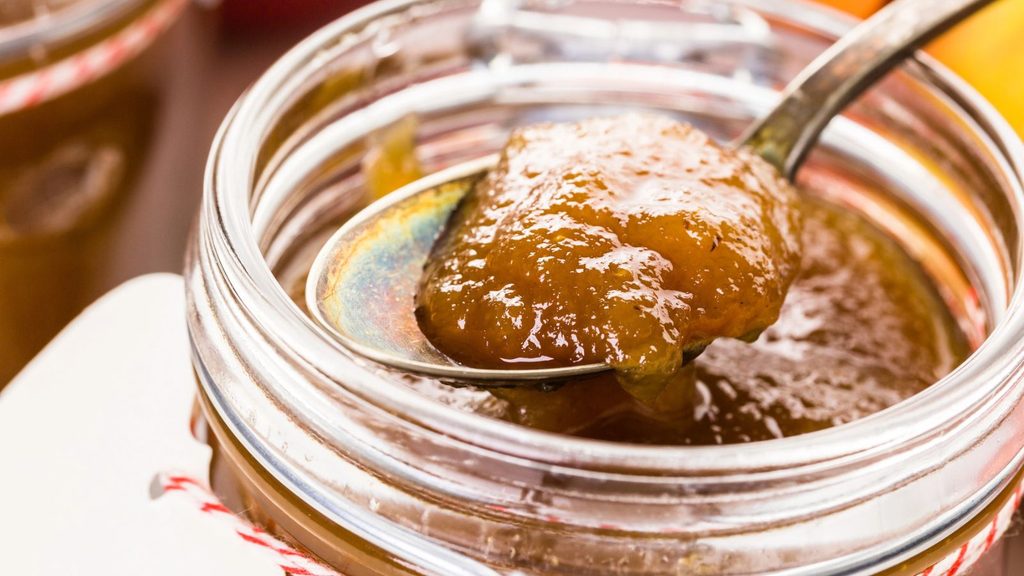
The open-kettle tradition endures because it is the most visible way to honor what the food has always required: time, attention and people gathered around the same fire. Stirring a copper kettle in public, in October, for hours, is a statement that the act of making it together is worth more than the jar it produces. That turns out to be the part worth keeping, and these festivals have been making that case for decades.
Jennifer Allen is a retired professional chef and long-time writer. Her work appears in dozens of publications, including MSN, Yahoo, The Washington Post and The Seattle Times. These days, she’s busy in the kitchen developing recipes and traveling the world, and you can find all her best creations at Cook What You Love.