
Cottage cheese went from diet-food punchline to a frequently scarce item in parts of the dairy aisle within just a few years. Dairy cooperatives are committing hundreds of millions of dollars to cultured-dairy expansions, and some producers are selling future capacity before new equipment is even online. Making cottage cheese is measured in hours, not the minutes of a sudden demand spike, and producers are still racing to catch up.
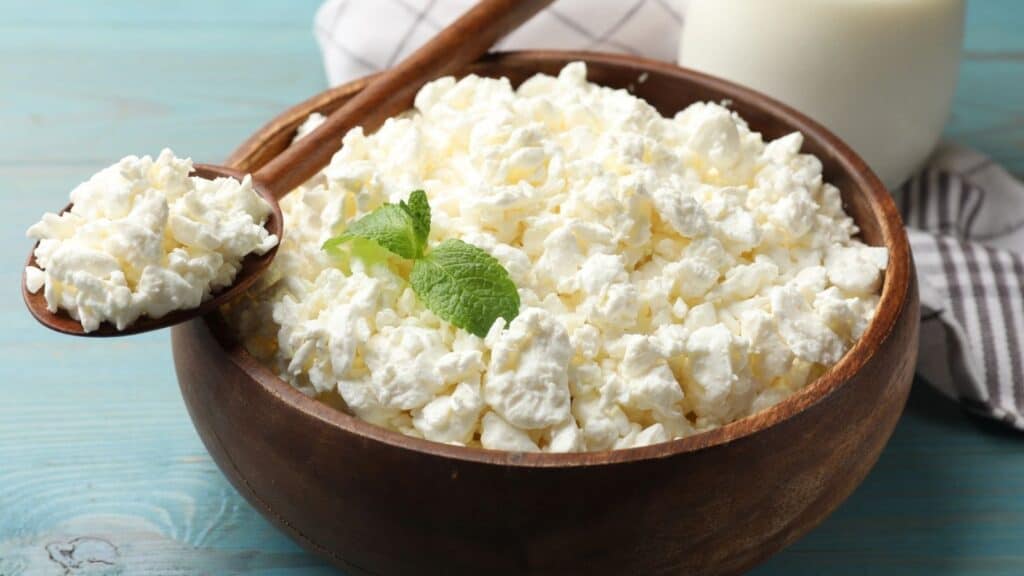
Good Culture fans have compared the hunt for a tub of cottage cheese to the “Hunger Games.” Organic Valley said its cottage cheese was selling faster than it could produce it. National brands and dairy cooperatives are responding with new partnerships, equipment upgrades and plant expansions, and the factories needed to fix the shortage cannot be built on demand.
The numbers behind the empty shelf
U.S. cottage cheese retail sales topped about $2.2 billion in the year ending July 2026, up 16.7% over the prior year. Per-capita consumption reached about 2.4 lbs in 2024, the highest level since 2009. Yogurt grew rapidly after that, particularly after Greek yogurt became mainstream, while cottage cheese declined for decades, becoming the default food of joyless dieting.
The current resurgence has not yet reached those historic highs. However, Dairy Farmers of America has reported that what began as a high-protein trend has since broadened into a wider consumer movement, with younger audiences driving new usage occasions across the category.
Why dairy can’t just make more
Westby Cooperative Creamery says its former cottage cheese process took about 16 hours, and the specialized equipment it needed to modernize carried a 50-week lead time. Westby says it is Wisconsin’s only cottage cheese manufacturer, a farmer-owned cooperative operating since 1903. For most of that time, the former process relied on open vats and substantial manual labor, with workers standing over vats to stir ingredients, shovel fresh curd and drain whey by hand.
In August 2025, the creamery announced a $14.1 million modernization project to install four enclosed vats with upgraded refrigeration and HEPA-filtered air environments. The creamery’s sales team said publicly that it had already sold all existing capacity and that new inquiries were arriving every week.
The new system cuts production time from 16 hours to eight and adds 7 million pounds of annual capacity. Westby pre-sold every pound of that additional capacity within six months of the project announcement. When the creamery held its ribbon-cutting ceremony this September, the new capacity was already spoken for.
The race to catch up
Upstate Niagara Cooperative, now operating as UNC Dairy, is committing $250 million to the largest capital project in the cooperative’s history, according to the company. The West Seneca, New York, cooperative is owned by more than 230 upstate New York dairy farms. The project was initially estimated at $150 million in 2024 before UNC Dairy increased the investment to $250 million in 2025.
The goal is to expand capacity for cottage cheese, Greek yogurt, sour cream and milk to meet what the company describes as “insatiable” demand. Construction is underway, with completion expected in late 2026 or early 2027, according to project reporting.
Organic Valley said its cottage cheese sales rose more than 30% in the first half of 2025 from a year earlier. Good Culture, whose dollar sales have nearly quadrupled over the past three years, partnered with Michigan Milk Producers Association to produce its products at MMPA’s Remus, Michigan, facility, which held its grand-opening ceremony on June 16, 2026. Producers are adding capacity, but Westby’s experience suggests that at least some new output is being committed before it even comes online.
The bet nobody expected to be making
Supply could remain tight while major expansions are still under construction. Shoppers who cannot find a preferred national brand may have better luck trying a store-brand or regional label, which may operate through different distribution and production networks.
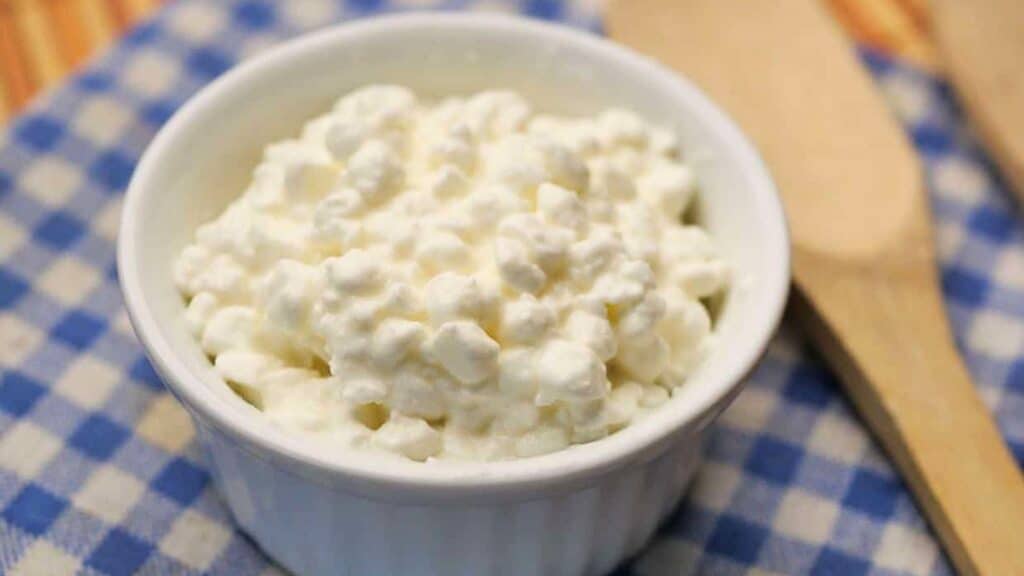
The dairy industry has also expanded capacity during periods of rapid category growth before. Greek yogurt saw a similar manufacturing buildout in the early 2010s, as processors added capacity for one of the fastest-growing parts of the dairy case.
The investments in cottage cheese now amount to a bet that the demand will last. The difference this time may be in who is buying it. Younger consumers are reviving the category through high-protein recipes and social-media uses, from cottage cheese toast to blended recipes, treating it as a cooking ingredient rather than a diet food.
That broader use could make demand more durable than a trend built around a single viral recipe, but the industry does not yet know. Whether it does is the question producers will be answering for the next several years, one fermentation vat at a time.
Mandy writes about food, home and the kind of everyday life that feels anything but ordinary. She has traveled extensively, and those experiences have shaped everything, from comforting meals to small lifestyle upgrades that make a big difference. You’ll find all her favorite recipes over at Hungry Cooks Kitchen.