
Autumn gardens play a key role in helping bees survive winter. With nearly 4,000 native bee species in the United States supporting pollination in farms, cities and natural spaces, reliable forage in these gardens is essential for keeping colonies healthy. As summer flowers disappear, late-blooming plants in fall gardens provide the nectar and pollen that allow colonies to build reserves and return strong in spring.
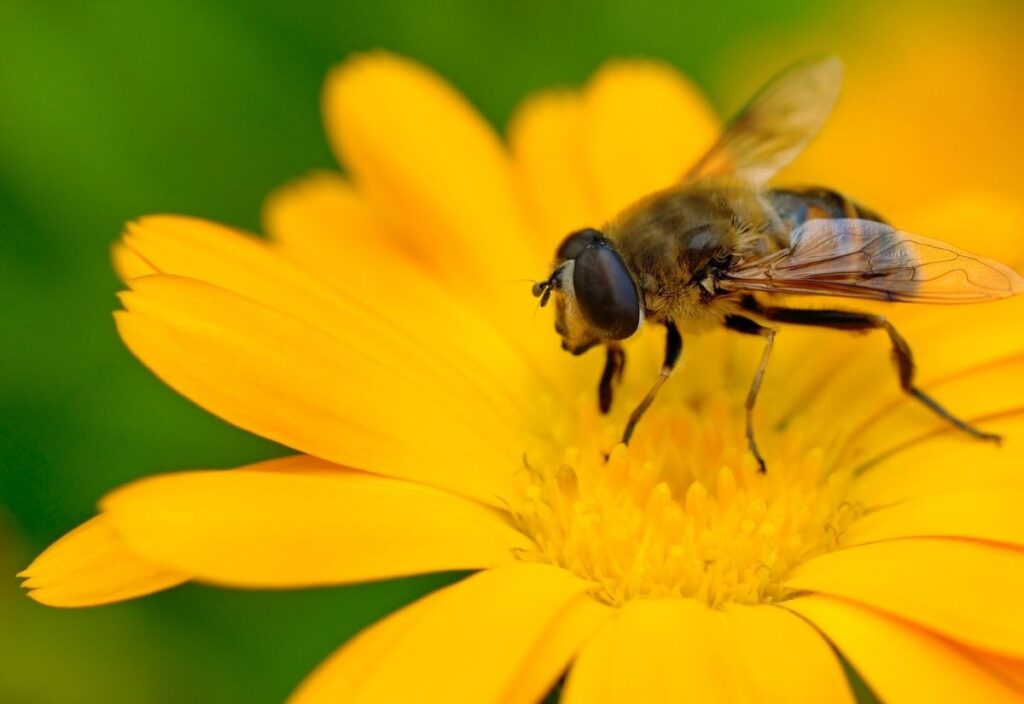
Community efforts also reinforce what home gardens provide. Farmers, towns and conservation programs all play a role in creating fall forage and safe spaces that help pollinators survive the colder months.
Colonies under added late-season stress
As summer blooms fade, bees enter one of the most demanding times of the year: getting ready for the cold months ahead. Scientists and conservation groups warn that when late flowers are scarce, colonies already strained by pesticides, disease and weather stress are faced with even greater pressure. Nectar and pollen from fall plants are not just food at this stage, but also the fuel bees need to build the fat reserves that carry them through winter. Without it, hives struggle to stay strong, leaving fewer pollinators ready to return when spring comes.
Why bees need autumn gardens
Autumn gardens assist pollinators at a time when other food sources are scarce. Native trees and shrubs that flower late provide nectar and pollen that help bee colonies build the reserves needed for winter. These spaces also offer shelter, with leaf litter, brush piles and undisturbed soil providing bumblebee queens and other species places to survive the cold months. By supplying both forage and protection, fall gardens support pollinators’ survival and help ensure their return when spring begins.
Fall blooms that support pollinators
A critical source of nectar comes from fall flowers when the rest of the garden has gone quiet. Goldenrod, asters, Rudbeckia and sedum are dependable choices, producing food that sustains bees well into the cooler months. Native plants often give more value than non-native ornamentals since they developed with local pollinators and provide the nutrition those species require. Perennials and shrubs with longer bloom periods extend forage options, reducing the gaps that can leave colonies short as winter approaches.
Garden debris as shelter
Fall yard work has a direct impact on pollinators trying to survive the colder months. Plant stalks, brush piles and leaf litter that may look messy to gardeners often double as winter shelter for bees. Hollow stems that are left standing provide space for solitary species, while piles of leaves and branches create cover from freezing temperatures. Heavy raking and cutting back can strip away these natural protections, leaving insects without safe places to nest until spring.
Role of community efforts
Support for pollinators in autumn goes beyond home gardens. Farmers can set aside strips of land for late forage crops such as clover or buckwheat, giving bees steady access to nectar as other flowers fade. Cities and towns can also help by maintaining pollinator-friendly parks and slowing down mowing schedules so fall plants have time to bloom. Conservation groups continue to point out that autumn is often overlooked, yet it may be the season that decides how strong bee populations emerge in spring. These initiatives can support stronger colonies that survive colder months to thrive again in spring.
Simple steps gardeners can take now
Gardeners can take small steps in autumn that make a big difference for pollinators. Adding late-blooming natives such as asters or goldenrod keeps nectar flowing when other flowers have faded. Holding off on major cleanup until spring allows leaves and stems to serve as winter shelter for insects that would otherwise be left exposed. Even a patch of bare soil can provide a nesting place for ground-dwelling bees.
In urban gardens, planting late-season forage and leaving small areas of bare ground can ease some of the stress caused by development and dense city beekeeping. For those who want to go further, supporting local groups that safeguard pollinator habitats helps extend the effort beyond individual yards.
Autumn gardens as lifelines
Fall blooms are far more than a burst of color at the end of the growing season. They give bees the food and shelter needed to withstand winter and emerge strong in spring. Nectar-rich flowers and natural cover left in place provide energy reserves and safe habitats when they are most needed. These practices keep colonies healthier and also support biodiversity, securing the role of pollinators in food production. By planting and protecting fall resources, gardeners and communities can play a lasting part in helping bees endure the cold months and return with strength once the new season arrives.
Mandy writes about food, home and the kind of everyday life that feels anything but ordinary. She has traveled extensively, and those experiences have shaped everything, from comforting meals to small lifestyle upgrades that make a big difference. You’ll find all her favorite recipes over at Hungry Cooks Kitchen.