
Pinterest searches for medieval fashion are surging, and the global mead market is set to double by 2032. These clear signs of a growing fascination with history are spilling into everyday life, where lutes are replacing guitars and mead is edging out craft beer at summer gatherings. Reflecting a broader desire to reconnect and reimagine the present through the lens of the past, bardcore vibes are back, highlighting medieval music, mead and the summer’s most unexpected aesthetic while blending nostalgic escapism with modern cultural momentum.
This post may contain affiliate link(s). As an Amazon Associate, I earn from qualifying purchases. See Disclosures.
Bardcore offers a creative gateway to something more grounded, especially for those craving a cultural reset in a world driven by speed and screens. Here’s where bardcore came from, why it’s booming now and how to make it part of your summer.
Bardcore explained
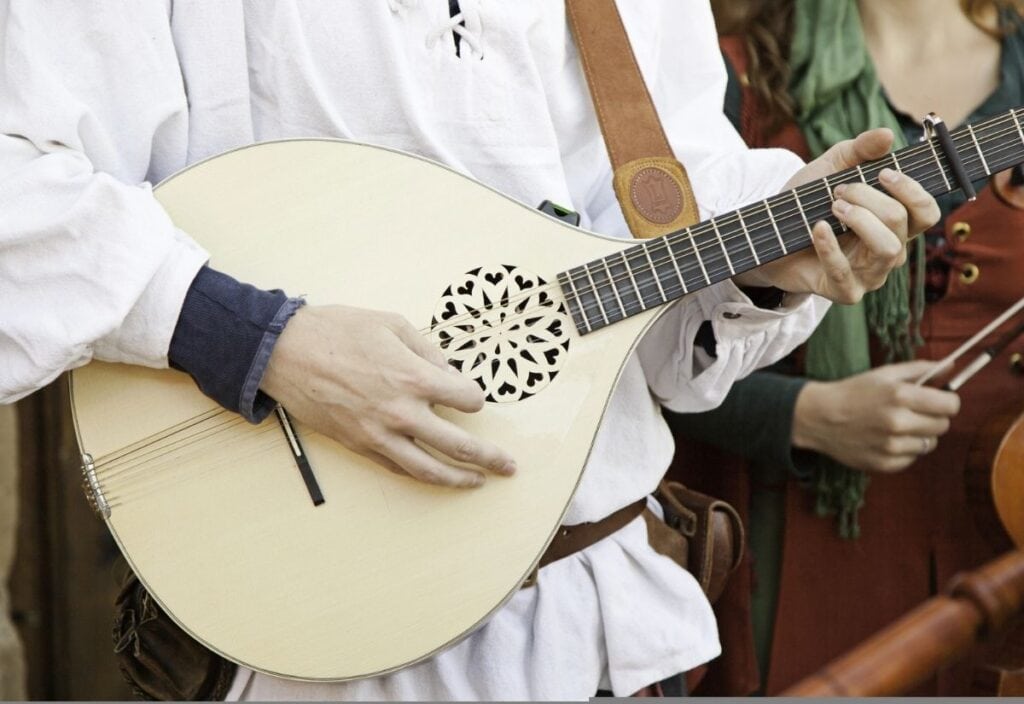
Picture your favorite pop anthem played on a lute, layered with vocals that echo through a candlelit tavern. That haunting, acoustic reimagining captures the essence of bardcore, where artists transform modern hits into medieval renditions by replacing synths and bass with harps, flutes and chant-like harmonies to evoke a different time. The twist gained viral traction in 2020 when creators like Cornelius Link reimagined tracks like “Astronomia,” sparking a wave of remixes that propelled bardcore into online stardom.
That momentum sparked a wider fascination, drawing in fans and musicians who craved something both escapist and expressive. Their enthusiasm helped fuel a wave of content, from full-length bardcore albums to live-streamed medieval jam sessions. What began as a quirky internet remix trend has grown steadily into a thriving sonic subculture rooted in creativity and nostalgia.
Why now?
As digital fatigue grows, people are reaching for something tactile, textured and slower. That shift is beginning to show up in how they search, shop and socialize as interest in the past reshapes present behavior. In its 2024 trend forecast, Pinterest predicted a surge in medieval aesthetic trends for 2025, including palacecore, bardcore and castlecore, pointing to a collective shift in mood and taste that is now influencing everything from fashion choices to weekend plans.
Fashion, in particular, has become a canvas for this cultural pivot, with the trend now named “Medievalcore.” This includes details such as knit bonnets, large belts, bloomer-style shorts and chain accents, according to Artefact Magazine. Designer Erin Lucia, a past student of the University of the Arts London, draws from decades past, including the 1960s and 1970s, to reimagine modest, maximalist silhouettes with a modern edge, describing the current wave as a return to classic femininity with a louder, more luxurious twist.
Mead goes modern
Mead is experiencing a major resurgence, with the global market projected to grow to $1.4 billion by 2032 at a CAGR of 11.33%. Once reserved for Renaissance fairs and Viking reenactments, the drink is now moving firmly into the mainstream, driven by shifting tastes and nostalgia. This cultural momentum has inspired modern meaderies to get creative, introducing flavors like lavender vanilla, chili-infused honey and oak-aged traditional styles.
The drink fits seamlessly into the slow-drink movement, offering an unhurried, locally sourced experience that aligns with the values of craft and care. More than just a throwback, mead’s resurgence reflects broader cultural priorities. It speaks to a growing interest in sustainability, craftsmanship and slower living, which makes the drink increasingly attractive to environmentally conscious consumers who want their choices to align with their principles.
Why bardcore feels right now
There’s a reason bardcore is striking a chord in 2025. In a world dominated by instant updates, algorithm-driven feeds and 15-second soundbites, more people are tuning out the noise and turning to something slower, more intentional. They’re not just reaching for retro; they’re gravitating toward something that feels grounding, and bardcore fills that void with a mix of sonic nostalgia and sensory richness that provides emotional depth and cultural texture.
What makes bardcore resonate better isn’t simply its medieval aesthetic; it reflects a broader cultural shift. People are growing weary of surface-level engagement and are craving experiences built around texture, ritual and meaning. From fashion and playlists to the return of mead, bardcore becomes a cultural language for slowing down through melody, mood and material expression.
Medieval meets mainstream
Bardcore is a growing cultural current that is reshaping everything from playlists to parties, weaving music, fashion and drink into a single coherent aesthetic. As mead sales climb and medievalcore fashion gains visibility, the look and feel of the trend are making their way into everyday life. The moment taps into both nostalgia and a growing desire for slower, more intentional experiences that stand in contrast to the speed of modern culture.
Jennifer Allen is a retired chef turned traveler, cookbook author and nationally syndicated journalist; she’s also a co-founder of Food Drink Life, where she shares expert travel tips, cruise insights and luxury destination guides. A recognized cruise expert with a deep passion for high-end experiences and off-the-beaten-path destinations, Jennifer explores the world with curiosity, depth and a storyteller’s perspective. Her articles are regularly featured on the Associated Press Wire, The Washington Post, Seattle Times, MSN and more.