
Travelers who wait for Labor Day to book a fall beach trip are paying more for it this year. Fall travel demand has climbed so aggressively that shoulder-season savings have narrowed sharply across the country’s most popular beach markets, and the deepest discounts are now concentrated in a handful of Gulf Coast and Southeast destinations. For now, those discounts are real, documented and increasingly hard to find anywhere else.
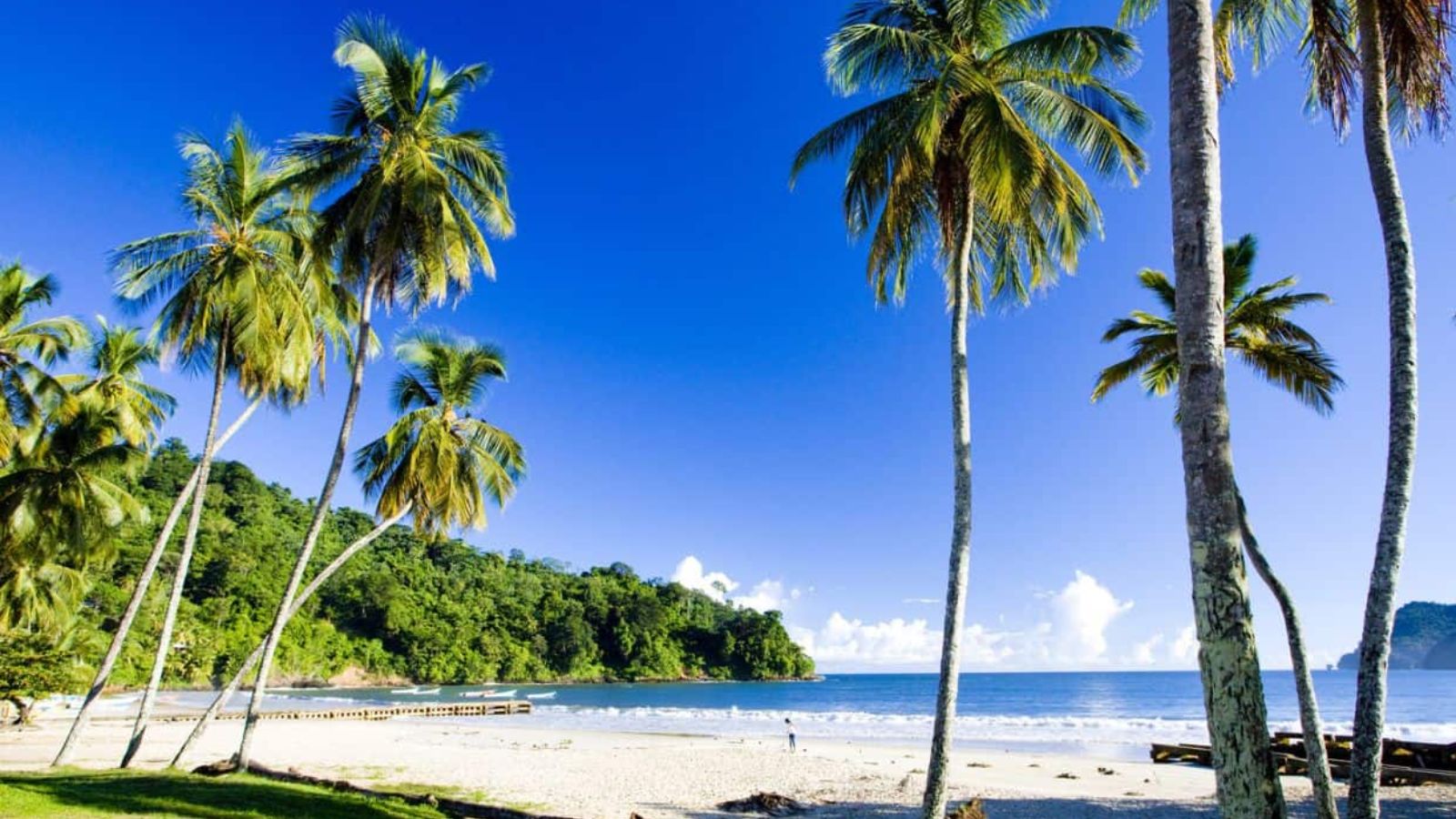
For most of the past decade, post-Labor Day beach deals were easy to find. Labor Day passed, families went home, prices dropped; that reliable drop no longer happens across most of the country, leaving travelers who show up after the holiday weekend to find that the savings are nowhere to be found.
The shoulder-season deal has nearly closed
Fall travel interest is up 17% year-over-year, and average nightly vacation rental rates in Vrbo’s top destinations are now just 5% below summer peak, a gap that used to be wide enough to plan a trip around. Across the 10 most-searched U.S. travel markets, fall lodging is averaging 20% above summer prices. The deepest beach discounts have concentrated in a specific set of Gulf Coast and Southeast markets where fall discounts remain largest, and where the water does not track the calendar.
The Southeast coast still delivers
In Myrtle Beach, average fall vacation rental rates are about 34% below summer peak; the largest discount in the dataset. The Grand Strand’s 60 miles of coastline see crowds thin considerably after Labor Day, and water temperatures along the South Carolina coast generally stay around 80 degrees or warmer through much of September before cooling toward the upper 70s late in the month.
Further west along the Gulf, Orange Beach posts 31% average savings on vacation rentals. Gulf water along the Alabama coast holds in the low-to-mid 80s through September and remains mild into October, though temperatures fall noticeably as the month progresses. At its 2026 tourism summit in March, the destination’s tourism board reported that spring and fall occupancy had held steady year-over-year for three consecutive years across both vacation rentals and hotels, supporting its push to market Alabama’s beaches as a year-round destination.
Fall comes later on the Panhandle
Running from Fort Walton Beach through Panama City Beach to the 30A corridor, the Florida Panhandle remains a popular spot. Fort Walton Beach offers 30% combined savings on lodging and flights in fall versus summer, and with Gulf water that holds its warmth well past Labor Day and summer crowds that slow considerably after the holiday weekend, it’s always a sure bet.
In Panama City Beach, vacation rentals average 24% cheaper between Labor Day and mid-November than they do in summer. One beachfront condo in Vrbo’s example drops from more than $800 a night to $550-$600. The water hasn’t caught up with the calendar yet. The Gulf averages about 83 degrees Fahrenheit in September and 78 degrees Fahrenheit in October, so it’s still warm enough to swim while the humidity eases and evenings cool off.
Santa Rosa Beach and the 30A corridor, where vacation rental rates run 16% below summer, draw a different kind of fall visitor than the broader Panhandle. The stretch has lower density and a more residential character than its neighbors, and fall eases access to the restaurants, boutiques and beach paths that peak-season crowds make harder to enjoy.
The Gulf runs on its own schedule
The Gulf of Mexico is a semi-enclosed basin with extensive shallow shelf waters along its margins. Those shallow coastal waters warm substantially during summer and cool gradually into fall, which is why coastal Gulf water temperatures generally remain in the low-to-mid 80s through September even as air temperatures begin to moderate.
At South Padre Island, September is the warmest water month of the year, a product of the Gulf’s gradual seasonal release of stored summer heat. By October, water temperatures begin falling more noticeably, though the timing and pace vary by location.
A season with an expiration date
Alabama’s Gulf Coast has consistent fall visitation which keeps local staff employed year-round; the service travelers get in October matches what they get in July. These destinations are not marketing fall as a discount on summer. They are building it as a season, and the travelers who arrive before that distinction becomes widely known are the ones who will experience it at its best.
Mandy is a luxury travel, fine dining and bucket-list-adventure journalist with expert insight from 47 countries. She uncovers unforgettable experiences around the world and brings them to life through immersive storytelling that blends indulgence, culture and discovery, and shares them with a global audience as co-founder of Food Drink Life. Her articles appear on MSN and through the Associated Press wire in major U.S. outlets, including NBC, the Daily News, Boston Herald, the Chicago Sun-Times and many more.