
Brand mascots can feel permanent until one day they are gone. Sometimes an ad stops working. Other times public criticism, a lawsuit, or a brand change makes the old character hard to keep. These 11 all left regular ads for a clear reason, even if a few later made brief comebacks.
Frito Bandito
Frito-Lay’s sombrero-wearing Frito Bandito arrived in 1967 with an exaggerated accent and a habit of stealing corn chips. Mexican American groups objected to the stereotype. Some TV stations stopped carrying the ads, and Frito-Lay tried modifying the character. The criticism continued, and the company announced that the Bandito would be replaced. The campaign was gone by 1971.
Quake
Quaker turned a cereal rivalry into an elimination contest in 1972. Commercials asked kids whether Quisp or Quake should stay on store shelves. Quisp won, and Quake cereal was dropped soon after. The musclebound miner did return for a short time to help advertise Quangaroos, so his exit was not quite as permanent as the contest made it sound.
The Original Jack in the Box Clown
In 1980, Jack in the Box did more than retire its clown. It blew him up in a TV ad. The stunt marked the chain’s move away from meals aimed mainly at kids and toward more adult food. Jack stayed out of the spotlight until 1994, when the company brought him back as a suited executive.
Spuds MacKenzie
Bud Light’s bull terrier became a national celebrity in 1987. The dog’s popularity with younger people also drew criticism. A senator accused Anheuser-Busch of using Spuds to appeal to underage drinkers. The company later put Spuds in responsible-drinking ads as criticism continued. Anheuser-Busch retired him in 1989, and people involved with the campaign later said the joke itself had also started to wear out.
Mac Tonight
Mac Tonight sold McDonald’s dinner menu with a crescent-moon head and a crooner act built around “Mack the Knife.” In 1989, Bobby Darin’s son sued. He alleged that the ads copied his father’s singing style. People who worked on the campaign later said the lawsuit helped bring the run to an end, though they also said the ads were already losing steam.
Joe Camel
Joe Camel became the face of Camel cigarette ads in the United States in 1988. For years, critics argued that the cartoon appealed to young people. R.J. Reynolds retired him in 1997. The company said the change was for marketing reasons, but also admitted that the controversy around Joe helped push it to look for a new campaign.
The Taco Bell Chihuahua
The talking Chihuahua turned “Yo quiero Taco Bell” into a pop-culture catchphrase, but fame was not enough. By 2000, Taco Bell was dealing with weak sales and wanted ads that showed more food. Reports at the time said the chain shelved the Chihuahua ads because they did not focus enough on menu items.
Aunt Jemima
In June 2020, Quaker said it would retire both the Aunt Jemima name and image. The company said the character’s origins came from a racial stereotype. It also said earlier efforts to update the brand had not gone far enough. The products later became Pearl Milling Company.
Uncle Ben
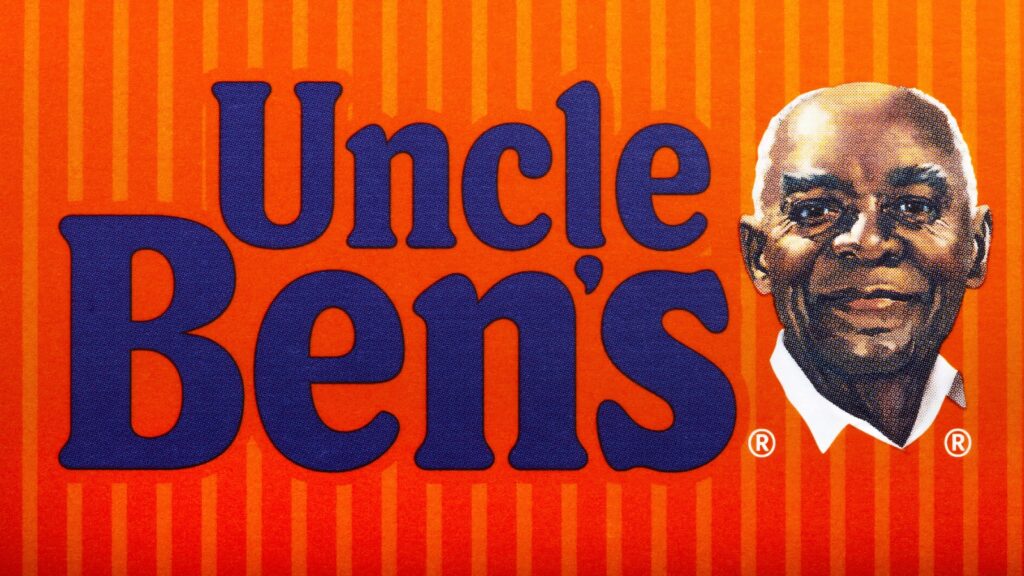
Mars made a similar change that year. The company renamed Uncle Ben’s as Ben’s Original and removed the familiar face from the package. Mars said it had listened to consumers and recognized inequities tied to the old name and image. It replaced both.
The Cream of Wheat Chef
B&G Foods also removed the longtime chef from Cream of Wheat boxes in 2020. The company said the image reminded some consumers of older depictions they found offensive. It decided to remove the chef from all packaging. The decision followed a review meant to make sure the brand did not add to systemic racism.
The Burger King
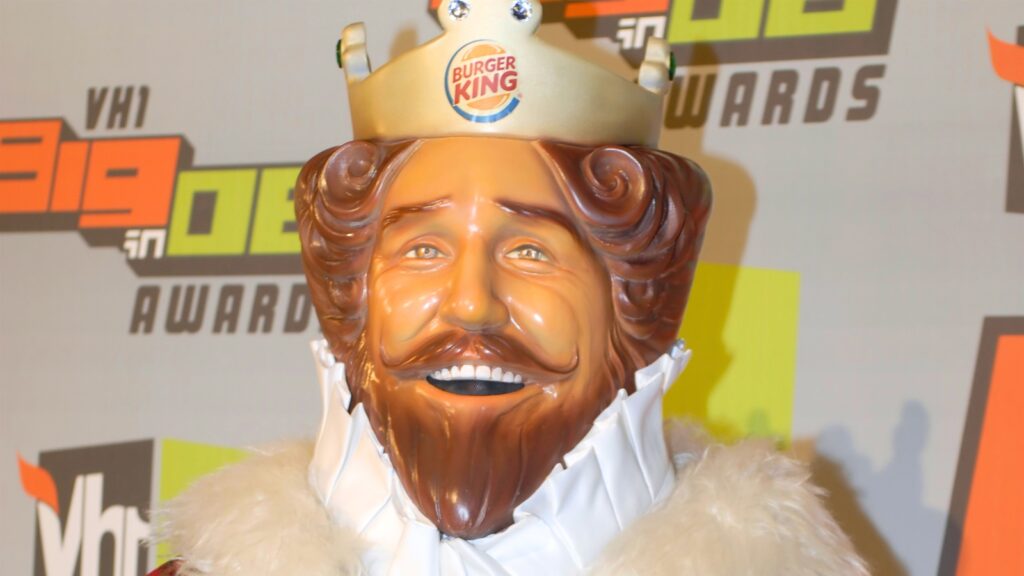
The King had already been mostly absent from Burger King ads before the company made the break official. On March 16, 2026, Burger King said its new customer-focused campaign officially fired the mascot and put the crown on its guests instead. The campaign is called “There’s A New King And It’s You.”
When Mascots Stop Fitting the Brand
A mascot can be memorable enough to feel permanent, but ad characters only last while they still fit what a company wants to say. These exits show that the reason a mascot disappears can tell you as much about the brand as the character ever did.