
Brioche is now taking center stage, with its versatility and appeal making it a staple across menus that span sweet to savory and casual to fine dining. This signals a shift that reflects what’s happening beyond toast, as brioche gets a bold makeover in kitchens and cafes. From fast food joints to upscale patisseries, it’s being reshaped into dishes that defy its traditional roots in unexpected ways that show just how far it’s come from its brunch-only past.

This post may contain affiliate link(s). As an Amazon Associate, I earn from qualifying purchases. See Disclosures.
Brioche’s ability to swing between sweet and savory, indulgent and practical, is what’s pushing it past trend status. Here’s why many in the food world now consider brioche a lasting staple, rather than a fleeting craze.
What makes brioche special?
Brioche has its roots in 15th-century Normandy, a French region known for its high-quality dairy and baking customs. Traditionally made with flour, eggs, butter, milk and sometimes sugar, brioche combines the richness of pastry with the structure of bread. Its high butter ratio, up to 50% compared to flour, gives it a rich, fluffy texture and slightly sweet flavor.
“People in the UK understand brioche to mean any sweet, buttery white bread,” says baker James Morton, author of “The Big Book of Bread: Recipes and Stories From Around the Globe,” in The Guardian. “But proper brioche has a long fermentation time, and a lot of good French butter whipped into the dough after it’s kneaded. It shouldn’t have lots of sugar; the sweetness should come from the butter and that long, slow fermentation, which gives it a more complex taste.”
That complexity is exactly what makes brioche so adaptable and special. Its balance of butter, egg and yeast creates a buttery flavor that supports sweet toppings like jam or ice cream, and savory ones such as fried chicken or cheese. When toasted, the crisp edges add a new layer of richness that can take a grilled cheese or French toast to another level.

Why does brioche work anywhere?
Brioche has long been a favorite in comfort food, but it’s not limited to casual fare. Its ability to hold structure while remaining soft makes it ideal for dishes that require finesse and indulgence, which is why it thrives in refined and everyday settings.
In upscale kitchens, brioche’s texture and finish take center stage. “It’s buttery and springy and when you toast it, you get those seared edges and slight bitterness from the toasting, which offsets heavier flavours,” says Chef Jonathan Woolway of The Shed. His use of brioche with game liver parfait demonstrates how its toasted edges bring balance to rich, savory dishes, creating a contrast that chefs appreciate for its complexity.
Even fast-food chains are leaning into brioche’s upscale vibe. Popeyes, for example, uses buttery toasted brioche buns on its chicken sandwiches, reinforcing the bread’s premium image across quick-service menus. This crossover from bakery staple to fast-food essential shows just how far brioche has come, and why it’s here to stay.

St. Pierre USA takes it further
True to their slogan, “Bringing the joy of French bakery to brioche lovers around the world,” St. Pierre USA is leading the brioche game with a range of offerings that reflect both tradition and innovation. Its product line spans traditional loaves, slider rolls, burger buns, hot dog rolls and even Belgian-style waffles, all made with enriched dough that’s rich in butter and eggs.
Often regarded as America’s favorite brioche brand, St. Pierre has earned broad visibility through strategic placement in major grocery chains, such as Walmart, Kroger and Safeway. This widespread availability not only signals strong consumer demand but also positions the brand as a household name in the premium bread category, with its product lineup showcasing not just variety but also technical finesse.
Brioche, reimagined
There’s no rulebook when it comes to brioche anymore, just buttery possibilities waiting to be explored in every direction. “I’d never made brioche before I started baking along with ‘The Great British Bake Off.’ It’s a surprisingly versatile dough and can be used to make bread, rolls and even rum baba,” says Laura Sampson of Little House Big Alaska. That same spirit shows up in the inventive ways brioche is being transformed, from waffles to tacos to entirely reimagined desserts.
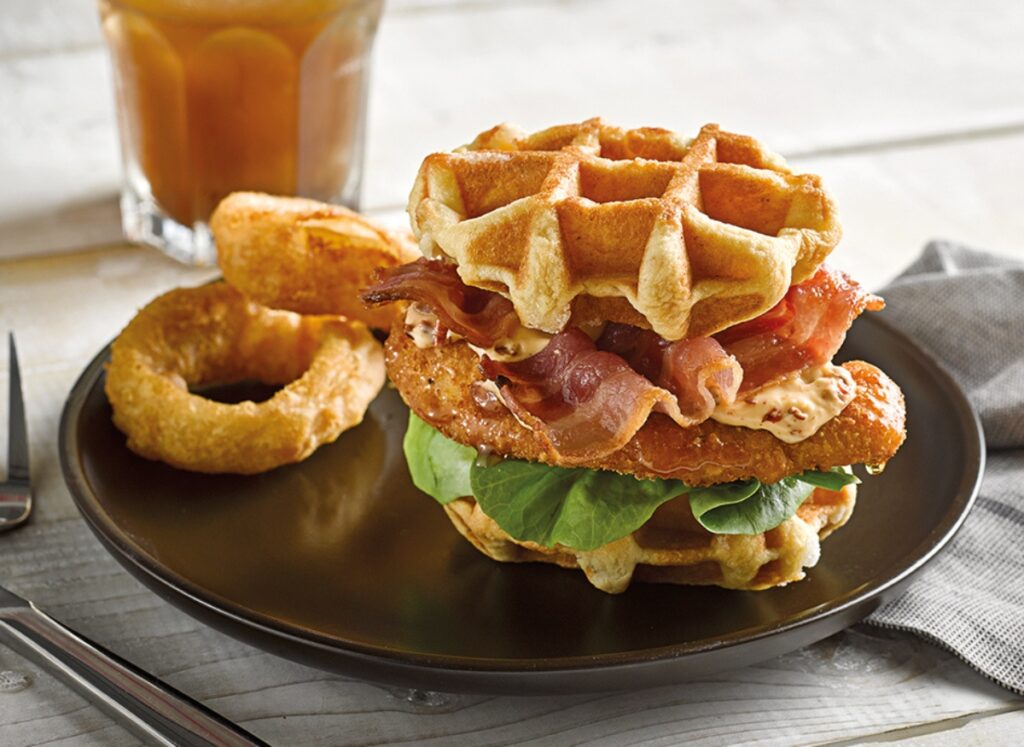
Brioche Belgian waffles
These aren’t your average freezer waffles. Brioche Belgian waffles borrow the pillowy richness of brioche dough and the caramelized crunch of Liège-style waffles to create an indulgent and versatile base. Top them with fried chicken and maple syrup for a sweet-savory combo, or stuff them with mascarpone and fresh berries for a brunch-worthy upgrade.
Brioche ice cream sandwich
Warm, buttery brioche meets ice-cold cookies and cream for a contrast that’s all about texture. The outer bread gets just enough toast to stay crisp while the inside stays soft, absorbing the melt from the ice cream. It’s the kind of dessert that feels nostalgic and elevated, with simple ingredients made unforgettable.
Brioche bread pudding
Brioche turns stale gracefully, making it the perfect candidate for bread pudding. The buttery crumb soaks up custard well, baking into a soft center with golden edges. Add chopped dark chocolate or spiced apples for a twist that feels comforting but fresh.
Brioche pull-apart bread
Pull-apart brioche makes a perfect dish for sharing, whether you’re hosting brunch or craving something warm and buttery. Think of it as the shareable centerpiece you didn’t know you needed, baked until golden and tender. Fill it with anything from cinnamon sugar to garlic herb butter or even gooey cheese for a savory spin.
Brioche tacos
It’s taco night with a twist. Lightly toasted slices of brioche fold around fillings like soft scrambled eggs, smoked salmon or barbecued pork. The slightly sweet, fluffy texture acts like a cushion, holding its shape while adding flavor, and is especially good for brunch spreads.
Brioche churro French toast sticks
These brioche churro French toast sticks are where comfort food gets a playful upgrade. Brioche sticks are soaked, fried and tossed in cinnamon sugar, then served with dipping sauces like warm chocolate ganache or dulce de leche. They’re easy to make, easy to love and perfect for sharing, or maybe not.
Brioche cannoli
One of the most inventive uses of brioche flips a classic dessert on its head. Sliced thin and wrapped around metal tubes, the bread is baked or fried until crisp, then filled with whipped ricotta or mascarpone. It’s a playful twist that stays true to the original while adding a buttery new dimension.
The future is soft, rich and golden
Brioche’s rise across formats and flavors shows how one bread can capture the imagination of chefs and the cravings of diners. Whether on a fast-food tray or a fine-dining plate, brioche delivers indulgence with every bite. And if the current momentum holds, this French classic could soon be the default foundation for everything from burgers to desserts.
Jennifer Allen is a retired professional chef and long-time writer. Her work appears in dozens of publications, including MSN, Yahoo, The Washington Post and The Seattle Times. These days, she’s busy in the kitchen developing recipes and traveling the world, and you can find all her best creations at Cook What You Love.