
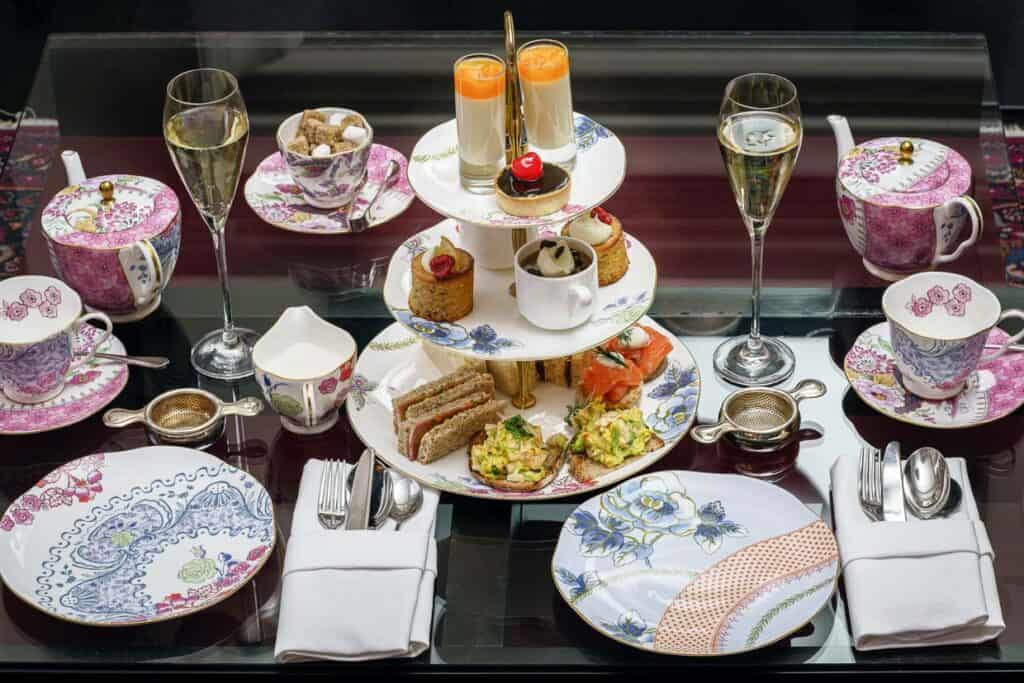
British food is having a moment in the United States as Americans embrace tea parties, scones and clotted cream. Hotels and bakery counters ground these flavors in spaces that many consumers recognize, showcasing how afternoon tea can take a new look as part of today’s food culture.
This post may contain affiliate link(s). As an Amazon Associate, I earn from qualifying purchases. See Disclosures.
Across the country, afternoon tea is being reinvented with local twists that range from garden settings to innovative pairings. Each venue adds its own flavor, creating spots for conversation and reviving traditions that once felt distant.
A cultural shift at the table
British food traditions are stepping into the spotlight, most clearly in how some Americans approach mealtimes today. The revival and broadening of tea time show both a preference for flavor and a desire to bring people together in a simple setting that feels welcoming and familiar.
American consumers are also rediscovering the value of British food, often in cafes, hotels and tea rooms where the tradition thrives. Scones resemble the muffins or biscuits many Americans are already familiar with, but their crumbly texture and gentle sweetness, paired with jam, feel distinct enough to spark curiosity. Clotted cream, on the other hand, recalls the appeal of whipped cream or butter, but its thick richness draws attention for being both familiar and foreign.
Tea parties take the stage
Across the U.S., tea parties are becoming a centerpiece in cafes and hotels. The Plaza Hotel in New York keeps the ritual alive at its Palm Court, which has welcomed afternoon tea for more than 115 years. Lush greenery, a stained-glass dome and a menu that balances history and modern elegance define the space.
Similar offerings flourish elsewhere, including the Palm Court at The Drake Hotel in Chicago, which has served tea for nearly a century in the Gold Coast neighborhood. Even the Queen and Princess Diana once visited, and guests today choose from 17 unique tea blends, including English Breakfast and Earl Grey.
On the West Coast, the Langham Huntington in Pasadena highlights its signature Afternoon Tea with fluffy scones, fresh savories and fine pastries. Guests gather for tea sandwiches, Devonshire cream with jam, fruit tarts and French macarons against views of the Horseshoe Garden.
Scones rise in popularity
A scone may resemble a biscuit to American eyes, but its crumbly texture and subtle sweetness give it a character all its own. Traditionally served warm with jam and clotted cream, it anchors British tea time and travels easily across borders.
That tradition now shapes the American dining scene, with more than 60,000 restaurants featuring scones on their menus. Social conversations about scones have also risen by 21.36% year-over-year, which shows how a once-foreign treat is becoming part of everyday choices.
Bakeries such as Arizmendi in San Francisco and Alice’s Tea Cup in New York have built reputations around their scones. They draw regulars who praise both variety and authenticity, showing how a British classic is edging closer to an American staple.
Some U.S. bakeries have also taken the British scone and made it their own, weaving in seasonal flavors and local produce. Pumpkin spice scones first gained attention through Starbucks, which popularized them as a fall favorite before discontinuing the item. Now, many chefs and bakeries, such as COBS Bread, take inspiration from that legacy, offering their recipes that fit neatly into American autumn traditions.
Maple versions, meanwhile, draw inspiration from Northeastern traditions and showcase local syrups in a simple but decadent finish. These adaptations are available in bakeries like SLO Baked and Blossom Bakery, which keep the pastry familiar yet refreshingly new, and show how American creativity reshapes British classics without losing their roots.
Clotted cream finds its fans
Clotted cream is a thick, luxurious dairy spread made by slowly heating full-cream cow’s milk until a golden crust forms on top. The process delivers a velvety texture and rich taste, and its pairing with scones and jam has long defined the balance of sweetness and depth in British tea service.
Pasteurized versions of clotted cream are available in the U.S., though authentic versions made from unpasteurized milk are rare in many states due to strict regulations. Nevertheless, clotted cream remains a specialty treat, often requested with scones and occasionally used in pastries, pancakes and desserts.
A toast to tradition
British food once drew laughs, but today it holds a place of pride in the U.S. dining scene. Local bakeries and upscale tea rooms now showcase scones with clotted cream as symbols of both comfort and curiosity. If tea time keeps spreading, it could become one of America’s most charming daily habits.
Jennifer Allen is a retired professional chef and long-time writer. Her work appears in dozens of publications, including MSN, Yahoo, The Washington Post and The Seattle Times. These days, she’s busy in the kitchen developing recipes and traveling the world, and you can find all her best creations at Cook What You Love.