
Getting kids to do chores can feel like pulling teeth, right? You ask them to pick up their toys or put their dirty laundry in the basket, and suddenly, it’s as if they’ve lost all motor skills. But what if we shifted our mindset from thinking of chores as simply tasks that keep the house tidy? What if we saw them as tools for teaching responsibility, work ethic and even a bit of grit? Because the truth is, chores are so much more than just clean rooms — they build character.
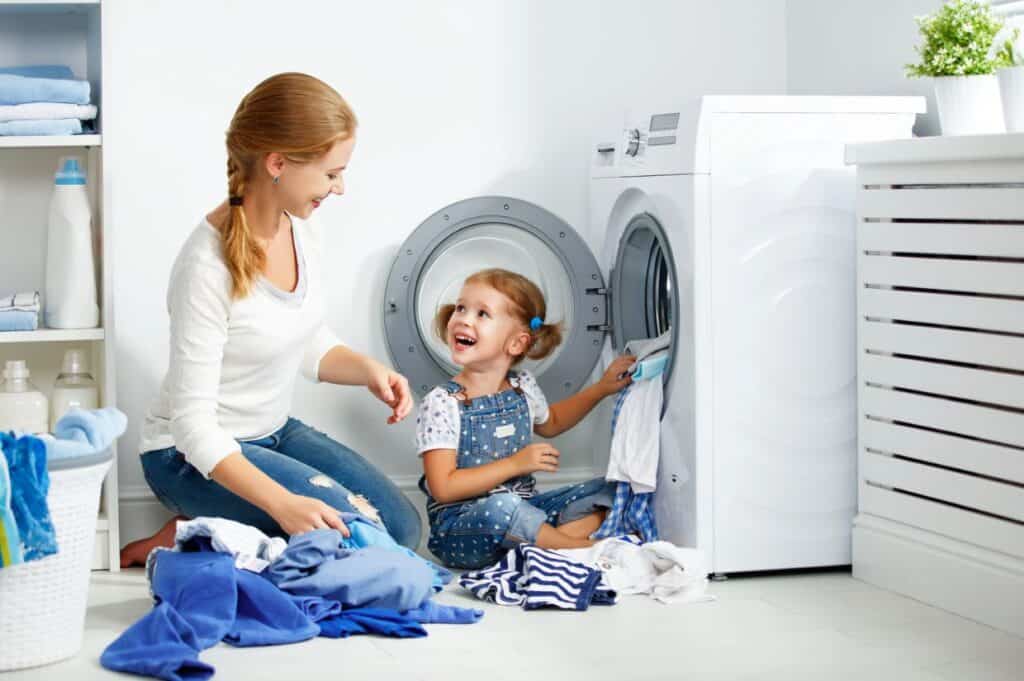
Why bother with chores?
This post may contain affiliate link(s). As an Amazon Associate, I earn from qualifying purchases. See Disclosures.
Let’s be honest, sometimes it’s easier to just do things yourself. You can load the dishwasher in half the time it takes your seven-year-old child, and the clothes you fold don’t look like they’ve been crumpled into a ball. But chores aren’t about perfection; they’re about practice. Think of them as little life lessons in action.
When kids help around the house, they learn valuable skills that will stick with them well into adulthood. And no, I don’t just mean learning how to vacuum or wash dishes (though those are handy!). I’m talking about qualities like responsibility, teamwork and perseverance. These are the traits that build character.
Chores teach responsibility
One of the first things chores teach kids is that they’re responsible for their own stuff. Whether it’s putting away toys or making their bed, they start to understand that their actions (or lack thereof) have consequences. If they don’t put their dirty socks in the laundry, they might run out of clean ones. If they don’t pick up after themselves, they can’t find their favorite toy when needed. It’s a real-world way to show kids that what they do matters — even the small things.
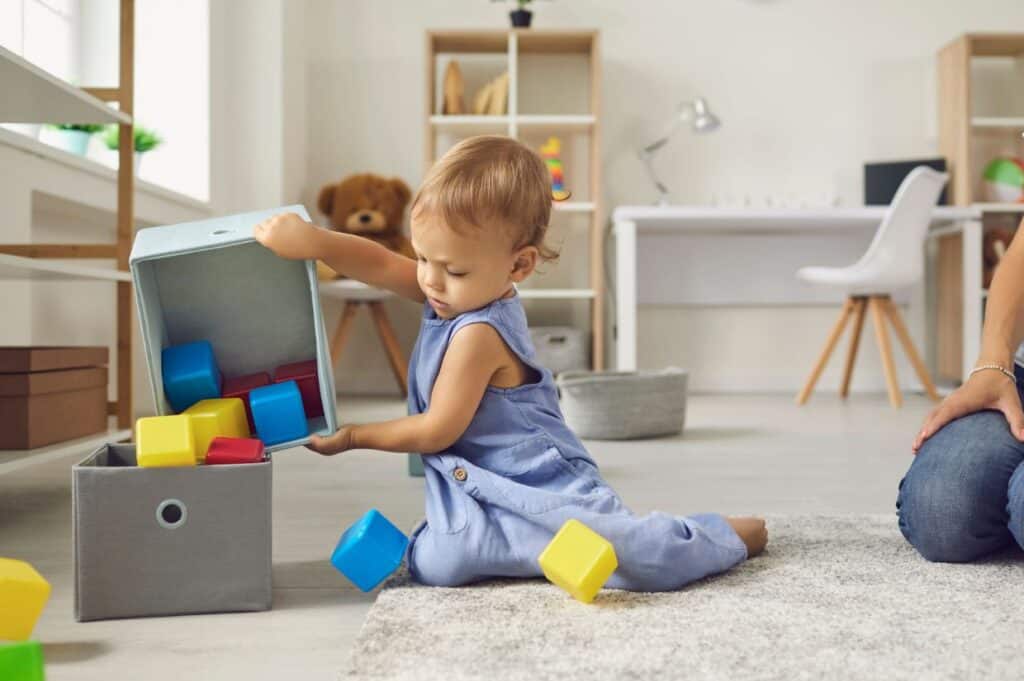
The earlier they start, the better. Younger kids can handle simple tasks like putting away toys or feeding the family pet, while older kids can help with things like setting the table, taking out the trash or even mowing the lawn. Over time, as they master these tasks, they gain confidence and feel a sense of ownership over their responsibilities.
Chores foster independence
Giving kids chores also fosters independence. Remember, our goal as parents isn’t just to raise kids; it’s to raise adults. You want them to grow up knowing how to handle themselves and their surroundings. By assigning age-appropriate chores, you’re giving them the chance to learn how to do things for themselves — and trust me, they’ll thank you for it later.
Think about the satisfaction a child gets from accomplishing something on their own. Maybe they tied their shoes without help or set the table alone. Chores give kids that same sense of achievement, which is a powerful motivator. They’ll begin to see themselves as capable and competent, which will carry over into other areas of their lives, from schoolwork to friendships.
Chores build a strong work ethic
Let’s face it: Not everything in life is fun. As much as we’d like our kids to live in a world of endless playgrounds and ice cream, sometimes you’ve just got to roll up your sleeves and do the dirty work. Chores teach kids that sometimes you should do things you don’t enjoy — and that’s okay.
This is where building a strong work ethic comes into play. When kids are asked to contribute to the household, even in small ways, they learn that hard work and effort are valued. And when they see that their work makes a difference — whether it’s having a tidy room or a clean kitchen — they start to understand the importance of contributing and doing their best, even when it’s not something they’re excited about.
Chores encourage teamwork
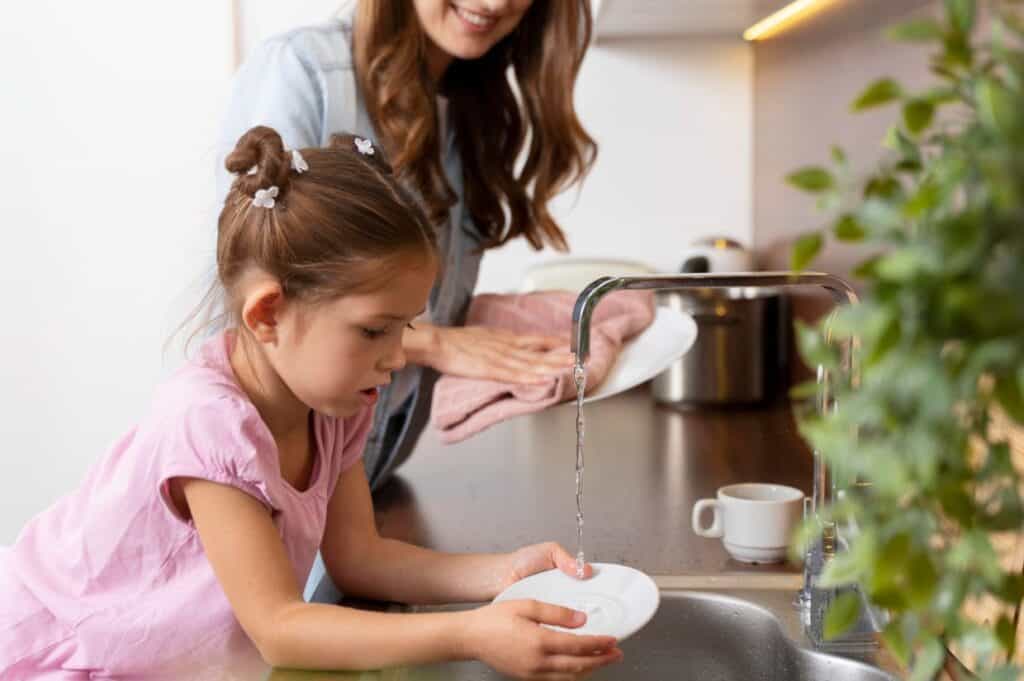
Families are teams, and just like any team, everyone has to pitch in to make things run smoothly. When kids do chores, they see firsthand how their efforts contribute to the family’s well-being. Maybe their task is to set the table, and their sibling is responsible for clearing it afterward. They learn that each person’s role is important and that working together gets things done faster and better.
It’s a great way to introduce the idea that we’re all in this together. After all, wouldn’t you rather get help cleaning up after dinner than do it all yourself? Kids feel a sense of unity when they know they’re part of something bigger — even if that “something bigger” is just ensuring the dishes don’t pile up.
Chores teach perseverance
Let’s be real: Not every chore will be fun, and some tasks will seem downright boring. But that’s life, isn’t it? Chores teach kids the value of sticking with something even when it’s not exciting. Whether it’s sweeping the floor or cleaning the bathroom, they learn that not everything is instant gratification, and sometimes the reward comes after the effort.
Chores are a great way to build perseverance. Completing tasks that aren’t always fun shows kids they can push through discomfort and finish what they started. That’s a lesson that’ll come in handy later when they’re studying for exams or working through challenges in their first job.
How to make chores work for your family
Of course, just because chores are beneficial doesn’t mean they’re always easy to implement. It’s important to set clear expectations and be consistent. You might even want to create a chore chart or assign specific days for certain tasks. But don’t forget to be flexible! Every family is different, and what works for one might not work for another.
Here are a few tips to make chores more enjoyable — or at least bearable — for everyone:
- Make it a game: Set a timer and challenge your kids to finish their tasks before it goes off. Turn cleaning into a race!
- Offer rewards: While chores shouldn’t always be tied to a reward, a little incentive can go a long way. Maybe it’s extra screen time, a trip to the park or a fun family activity once everything is done.
- Model the behavior: If kids see you tackling your own chores positively, they’re more likely to follow suit. Set the example, and they’ll pick up on it.
- Keep it age-appropriate: Younger kids will need simpler tasks, while older ones can take on more responsibility. The key is to assign chores that match their abilities, so they feel capable rather than overwhelmed.
Final thoughts
At the end of the day, chores are about more than just keeping the house in order. They’re opportunities to teach our kids valuable life lessons — lessons that will serve them well as they grow. Responsibility, independence, perseverance and teamwork are all qualities that build strong character. So, the next time you hand your kid a broom or ask them to clear the table, remember: You’re not just getting the house clean, you’re helping them grow.