
Cinnamon is one of the world’s most beloved spices, known for its warm aroma and sweet, earthy flavor. It has a way of turning everyday recipes into something special. The scent alone can fill a kitchen with warmth, and just a pinch can transform coffee, cookies or even a pot of stew.
This post may contain affiliate link(s). As an Amazon Associate, I earn from qualifying purchases. See Disclosures.
Cooking with cinnamon is about more than sprinkling it over oatmeal. Choosing the right variety, using it in balanced amounts and storing it properly ensures you get the full flavor this spice has to offer.
What is cinnamon?
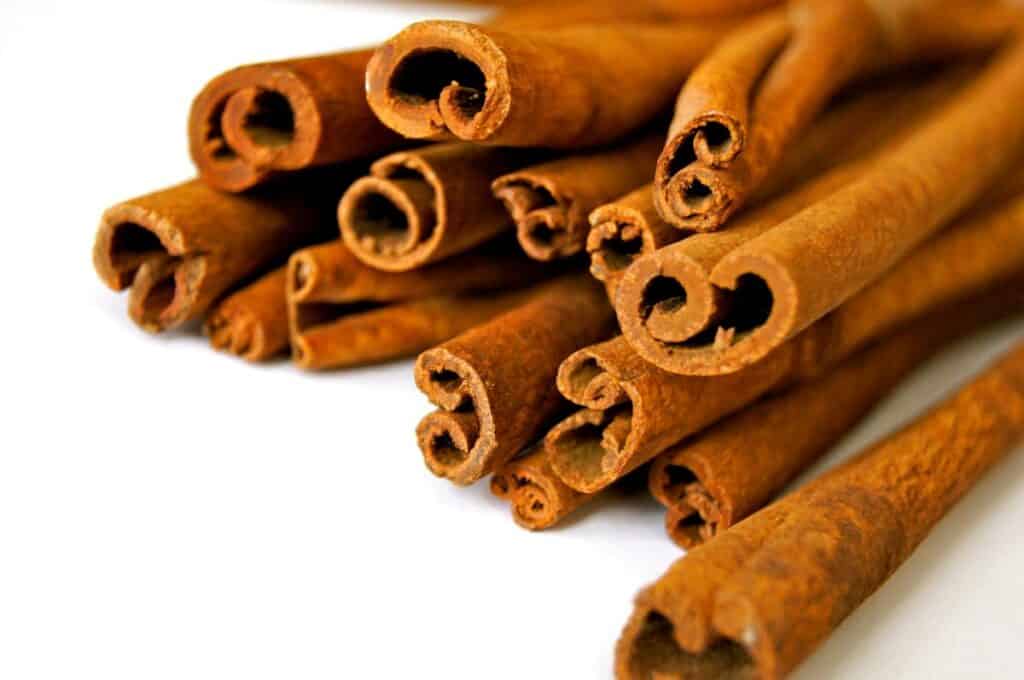
Cinnamon comes from the inner bark of evergreen trees in the Cinnamomum family. Once harvested, the bark curls into sticks, also called quills, as it dries. Ground cinnamon is made by grinding these quills into a fine powder. The spice has been used for centuries in cuisines around the world, from sweet desserts to savory curries.
Types of cinnamon
Not all cinnamon is the same. The two main types found in kitchens are Ceylon cinnamon and cassia cinnamon.
Ceylon cinnamon
Ceylon cinnamon, sometimes called true cinnamon, has thin, fragile quills and a delicate, complex flavor. It is less common in American grocery stores but prized for its subtle sweetness.
Cassia cinnamon
Cassia cinnamon is darker, thicker and more pungent. It is the variety most often sold in American supermarkets. Its bold, spicy notes stand out in baked goods and drinks.
Cooking with cinnamon
Cinnamon is versatile, but how you add it to a dish affects the final flavor. Ground cinnamon blends smoothly into batters, sauces and drinks. Whole sticks release flavor more slowly, making them perfect for simmered dishes.
When using cinnamon:
- Add ground cinnamon early in baking so the heat blooms its aroma.
- Use cinnamon sticks in soups, stews or beverages, then remove before serving.
- Pair cinnamon with spices like nutmeg, cardamom or cloves for layered flavor.
Beyond baking, cinnamon also shines in savory cooking. A stick simmered with rice or legumes adds subtle fragrance, while a sprinkle on roasted carrots or sweet potatoes brings out their natural sweetness. It can even be part of a dry rub or a slow-cooked braise, where the spice has time to mellow and infuse the dish.
Global uses and flavor pairings
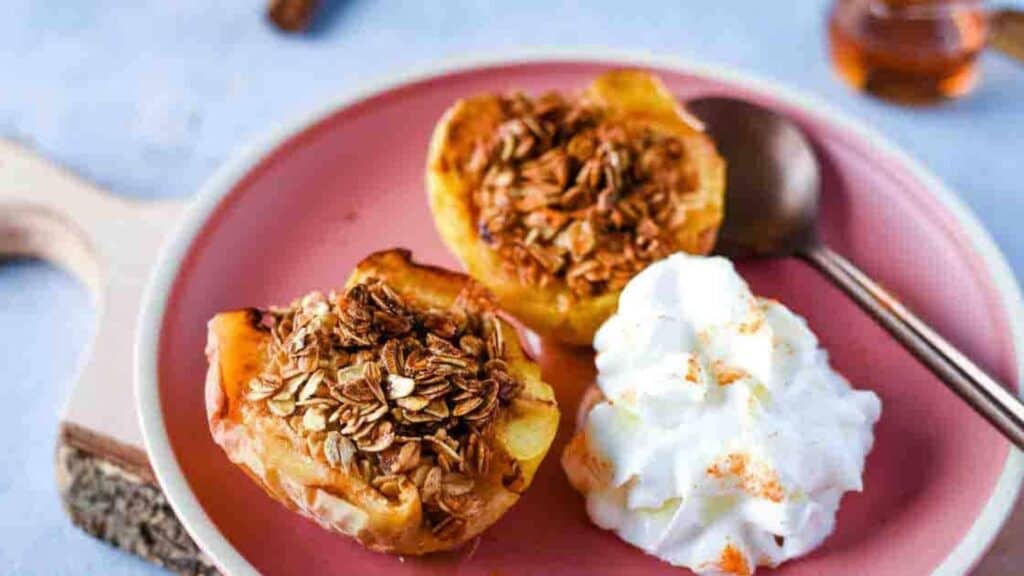
Cinnamon shows up in cuisines all over the world, often in ways that surprise people. In Mexico, it flavors cafe de olla, a spiced coffee sweetened with piloncillo. In India, cinnamon is a key ingredient in garam masala and adds warmth to curries and biryanis. Middle Eastern dishes use cinnamon in savory lamb stews, while Scandinavian baking highlights it in classics like kanelbullar or cinnamon buns. You will, of course, also find cinnamon in traditional American favorites like baked apples.
In North Africa, cinnamon often appears in tagines alongside dried fruit and savory meats. In Vietnam, a local variety known as Saigon cinnamon is valued for its intense aroma and is used in pho broth. In Greece, you’ll find cinnamon in some tomato-based sauces and moussaka. Each culture has its own way of highlighting cinnamon, showing just how universal this spice has become.
Beyond cultural traditions, cinnamon pairs well with a wide range of foods. It enhances the sweetness of bananas, pears and sweet potatoes, and it complements chocolate in both drinks and desserts. A pinch of cinnamon in chili or roasted vegetables adds depth without overpowering the dish. The spice also blends naturally with others, such as nutmeg, cardamom and cloves, making it easy to layer flavors in baked goods, sauces and beverages.
“Pairing cinnamon with coffee is one of my favorite seasonal delights. Whether it’s a cinnamon cold foam on cold brew or a latte with cinnamon syrup, it tastes like warmth and coziness on a crisp day. I look forward to it all year.”
— Susannah Brinkley Henry, Feast + West

Storing cinnamon
Proper storage keeps cinnamon flavorful for months. Both sticks and ground cinnamon should be kept in airtight containers away from heat, light and moisture.
Ground cinnamon stays fresh for about six months before losing potency, while sticks can last up to a year. Store cinnamon in a cool cupboard away from the stove. Also note that heat breaks down its natural oils and weakens the flavor.
To get the longest life from cinnamon, buy smaller amounts more often. If you open a jar and the aroma is faint, it’s a sign the spice has lost potency and should be replaced. Keeping the container tightly sealed and away from light will help preserve its quality.
Final thoughts
Cinnamon is more than a baking staple. It has a place in both sweet and savory dishes across many cuisines. By choosing the right type, using it thoughtfully and storing it well, you can keep its warm flavor at the ready whenever you cook.