
Forget the myth of the magic green thumb. Houseplant success usually comes from matching a plant to the light and watering routine a home can provide. No plant is literally unkillable, but university horticulturists consistently describe these 13 as durable, forgiving, or beginner friendly. Give each one its minimum care, especially drainage, and a missed watering or dim week is less likely to become a funeral.
ZZ Plant
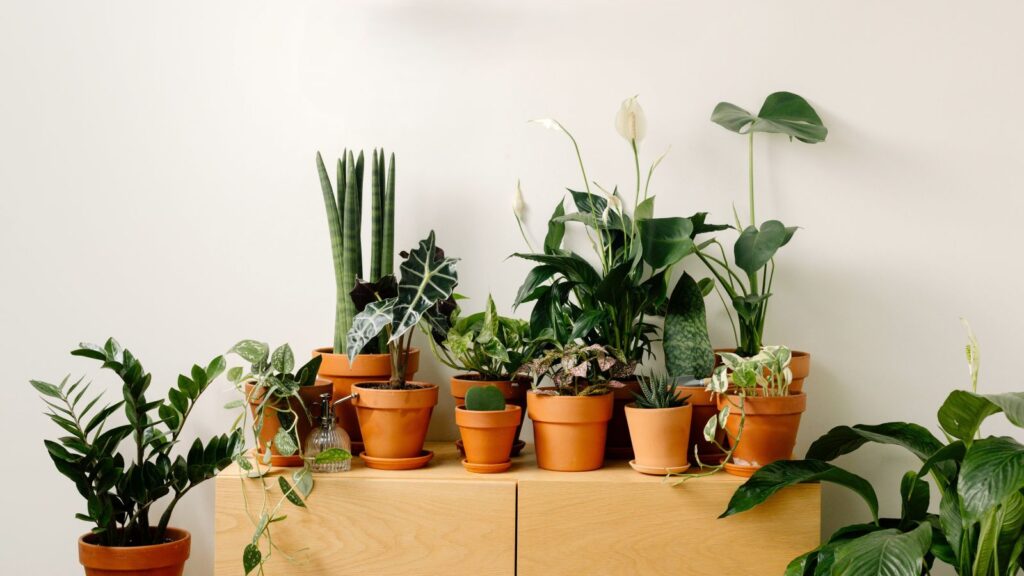
Clemson Extension rates ZZ plant for novice growers. Its rhizomes store water, it tolerates bright indirect to low light, and it usually needs water only after the mix dries completely, often once or twice a month. Keep it out of pets’ reach.
Snake Plant
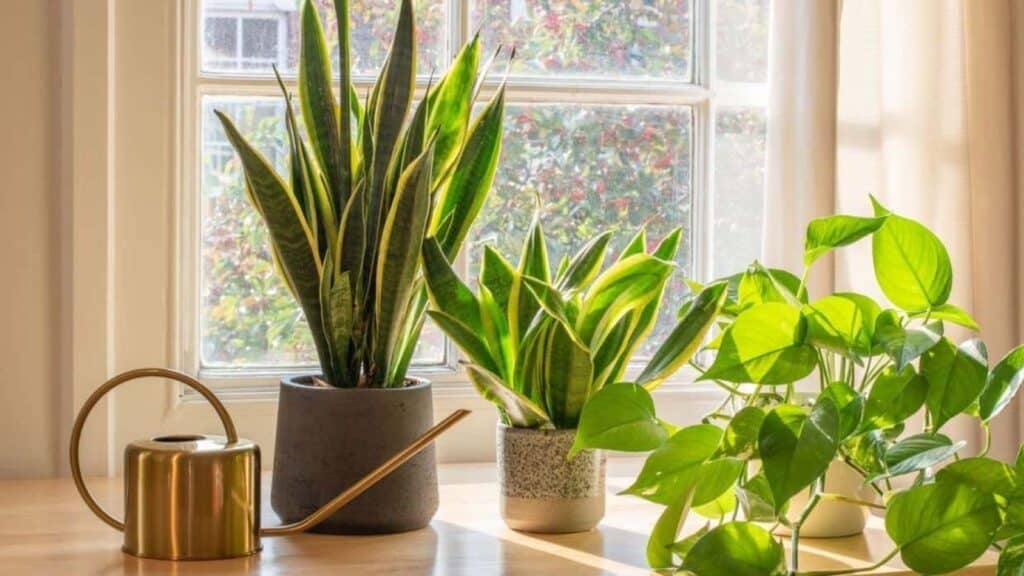
Penn State Extension calls the snake plant forgiving and low maintenance. It tolerates low light and can go roughly a month without water. Use a draining mix and wait until it is dry; frequent watering is the bigger danger.
Jade Plant
Jade prefers at least four hours of direct sun, though bright indirect light can keep it alive. UW–Madison Extension says it suits warm, dry homes and tolerates neglect. A cactus-style mix and a pot with drainage protect its roots.
Aloe Vera
UF/IFAS describes aloe as a hardy, drought-tolerant succulent. Water only when the top inch of soil feels dry, soak it thoroughly, and empty standing water. Move an indoor plant into stronger sun gradually to prevent scorching.
Ponytail Palm
Ponytail palm is a succulent, not a true palm. Iowa State Extension calls it easy and low-maintenance. Place it near a bright east- or west-facing window and let the potting mix dry between thorough waterings.
Cast Iron Plant
UF/IFAS supports the name: cast iron plant handles filtered or deep shade and is particularly suited to dim homes and offices. Keep it out of full sun. It tolerates drought, although periodic watering produces better growth.
Pothos
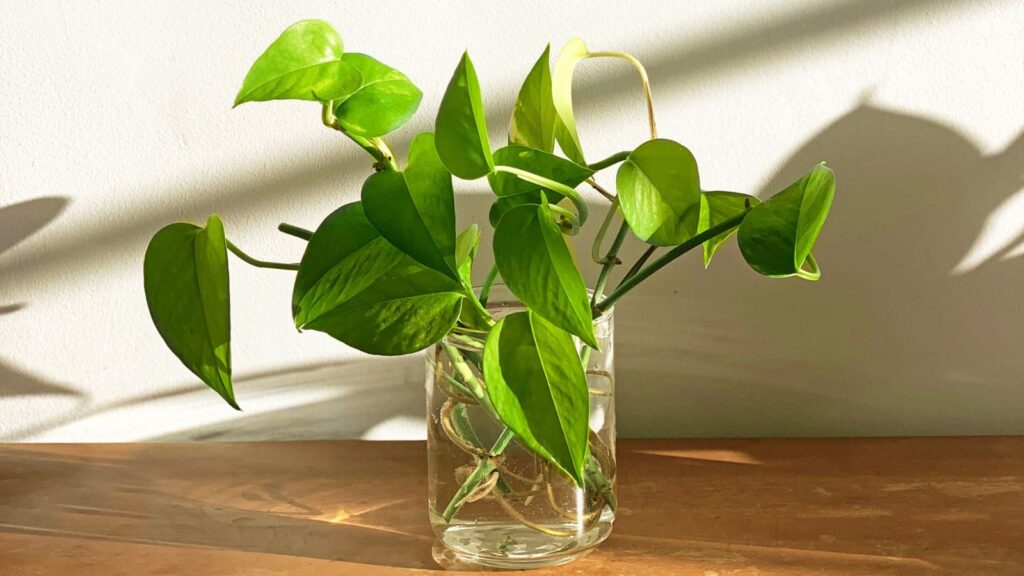
Penn State Extension describes pothos as hardy and very easy to grow. Moderate to bright indirect light gives the best color, while low light is survivable for a time. Water when the mix dries instead of keeping it constantly wet.
Heartleaf Philodendron
Heartleaf philodendron can survive long periods in extremely low light, according to NC State Extension, although medium light is better. Keep the soil slightly moist, reduce water in winter, and never leave the roots waterlogged.
Chinese Evergreen
Clemson Extension calls Chinese evergreen one of the most durable houseplants. Solid-green cultivars accept low light; colorful varieties need more indirect light. Water when the top one to two inches dry. The plant is toxic to cats and dogs.
Spider Plant
Thick roots help spider plants survive inconsistent watering. UW–Madison Extension calls it beginner-friendly, tolerant of neglect, and easy to propagate. Medium to bright indirect light is best, and you can pot rooted plantlets as replacements or gifts.
Peace Lily
Peace lily tolerates low light but grows best in bright indirect light. Clemson Extension advises keeping soil moist, not soggy, and letting it dry slightly between waterings. Excessive drying causes dramatic wilting and yellow edges, so this plant is easy for attentive waterers, not chronic forgetters.
Corn Plant
NC State’s corn plant guide lists low maintenance and slow growth. Provide bright to moderate filtered light, keep soil moist during active growth, and reduce water in winter. Direct sun burns leaves, while very low light produces narrower growth.
Rubber Plant
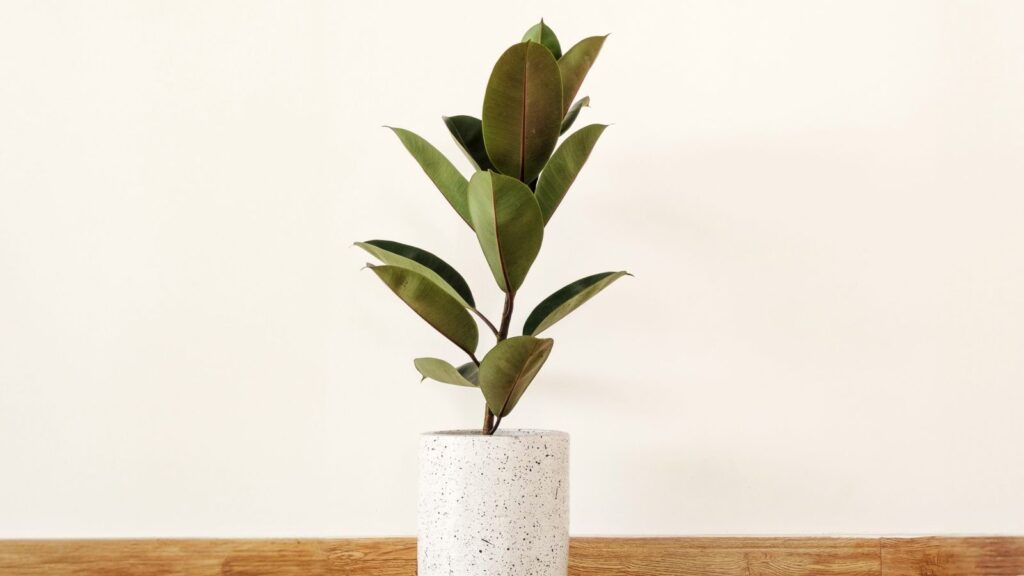
Clemson Extension calls the rubber plant easy for beginners and adaptable to low light, though it prefers brightness. Let soil dry slightly between thorough waterings and empty the saucer. A stable, warm spot away from cold drafts reduces leaf drop.
Survival Starts With the Right Match
Hard-to-kill does not mean care free. Low-light tolerance is not the same as darkness, and drought tolerance never makes a pot without drainage safe. Check the soil instead of watering by the calendar, then choose a plant that fits your habits. One caution matters beyond care: several plants here can irritate people or pets if chewed, so confirm toxicity before bringing any new species home.