
Department store dining did not disappear in one clean sweep. Some restaurants closed years before their stores, some lasted until the final day, and a few historic rooms found second lives as event spaces or museum recreations. These 11 places show how a shopping trip once came with table service and full lunch menus, and how differently those dining rooms ended up.
The Pine Room, Detroit
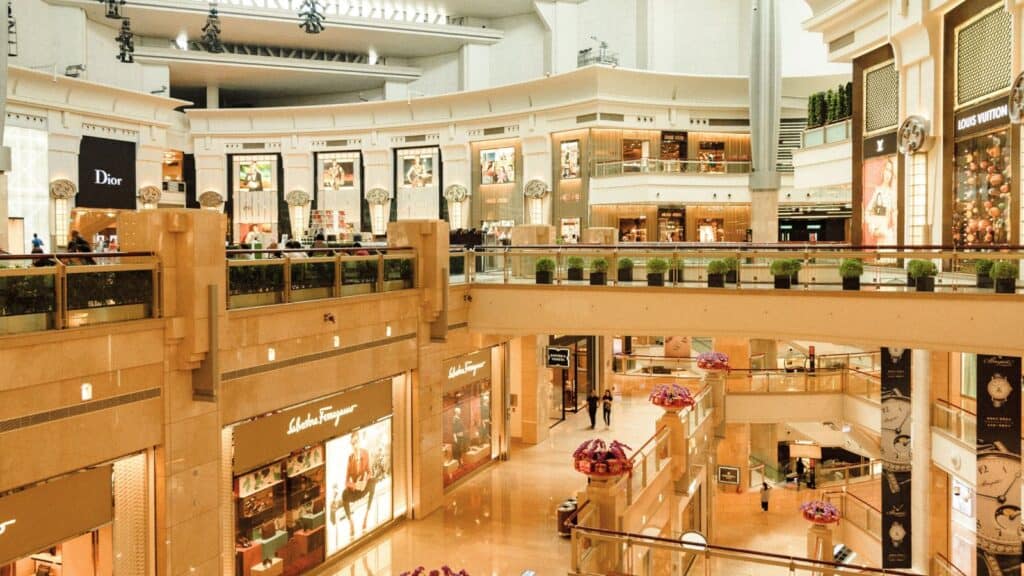
Detroit’s J.L. Hudson store had a wood-paneled Pine Room on its 13th floor. It hosted lunches and fashion events before closing in 1983. In 2026, Pine Hall opened on the old Hudson’s site. The rooftop tavern borrows its name from the Pine Room and brought back a version of Hudson’s Maurice salad.
The Silver Grille, Cleveland
Higbee’s Silver Grille opened on the 10th floor in 1931. Its Art Deco interior included a red marble fountain, while children’s meals could arrive in little stoves, trucks, or space capsules. The restaurant closed in 1989 when the store downsized. The room later became a special-event space.
Hutzler’s Colonial Tea Room, Baltimore
Hutzler’s opened its Colonial Tea Room on the fourth floor in 1917. It gave downtown shoppers a formal place for lunch and fashion shows. The restaurant closed in 1984, six years before the Hutzler’s chain disappeared.
L.S. Ayres Tea Room, Indianapolis
The L.S. Ayres Tea Room opened on the fifth floor in 1905, then moved to a larger eighth-floor space in 1929. Families dressed children in their best clothes for meals there. It closed Dec. 31, 1990. The Indiana State Museum now operates a recreation of the Tea Room.
The Magnolia Room, Atlanta
Rich’s operated the Magnolia Room on the sixth floor of its downtown Atlanta store. The restaurant became part of the city’s civil rights history when demonstrators targeted the segregated dining room during 1960 sit-ins. The downtown Rich’s closed in 1991, taking the original Magnolia Room with it.
Frederick & Nelson’s Tea Room, Seattle
Frederick & Nelson opened its first Tea Room in 1903. Dining later became tied to fashion shows and Frango, which began as a frozen dessert before the name became famous for chocolate mints. Frederick & Nelson closed in 1992. Nordstrom opened its flagship in the former building in 1998.
Bullocks Wilshire Tea Room, Los Angeles
The fifth-floor Tea Room was part of Bullocks Wilshire from its 1929 opening until the store closed in 1993. Southwestern Law School later restored the landmark building. Today, the Tea Room is used as a dining area and cafeteria for students and faculty. The room survived, but the original department store restaurant did not.
The Crystal Tea Room, Philadelphia
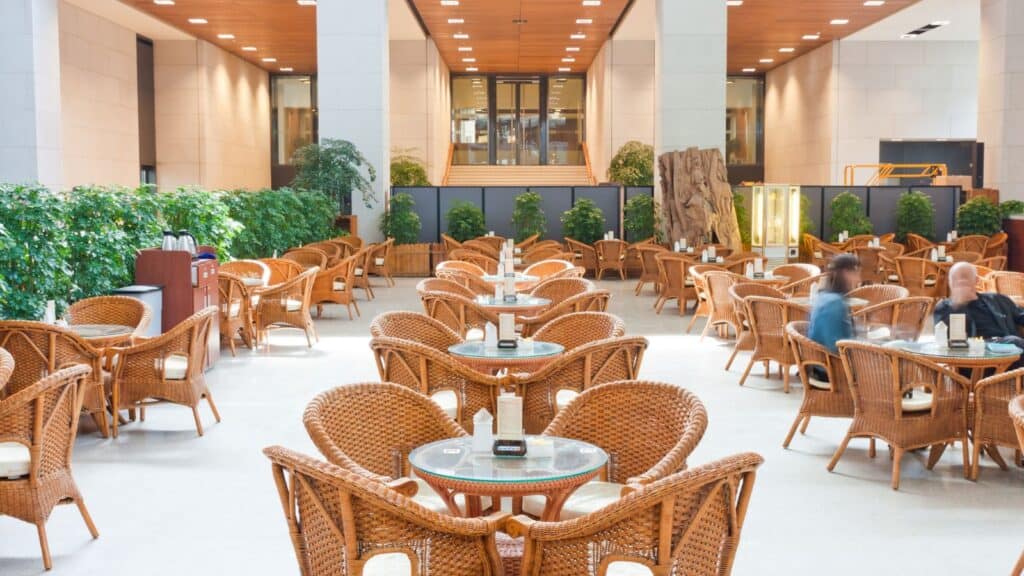
Wanamaker’s Crystal Tea Room could seat about 1,400 diners at a time. It stopped operating as a public restaurant sometime between the building’s late-1980s renovation and the mid-1990s, before its current life as a private event venue. The Crystal Tea Room now operates as a private event venue in the Wanamaker Building for weddings, galas, and other catered events.
Woolworth Lunch Counters
Woolworth lunch counters once stretched across the country, and the Greensboro counter became a civil rights landmark after the 1960 sit-ins. Woolworth closed its remaining U.S. stores in 1997, but one counter found an independent afterlife. The Bakersfield luncheonette in California reopened after restoration in 2025 and is no longer owned by Woolworth.
The Georgian Room, Portland
Meier & Frank’s white-tablecloth Georgian Room occupied the 10th floor of its downtown Portland flagship. It became one of the store’s best-known gathering places before closing in 2005 during building renovations. The former department store later became a mixed-use property that includes a hotel.
The Oak Grill and Skyroom, Minneapolis
Dayton’s opened the Oak Grill and Sky Room on its 12th floor in 1947. The Oak Grill originally restricted women unless they were accompanied by a man, a policy dropped by 1969. The restaurants survived the Marshall Field’s and Macy’s eras before closing on Jan. 27, 2017. Their closing ended a 113-year department store dining tradition at that address.
When Lunch Was Part of the Shopping Trip
These restaurants did not all disappear for the same reason or at the same time. Some closed during downsizing, some went with their stores, and others were preserved for new uses. What they shared was a time when shopping could mean setting aside an hour for lunch upstairs. For anyone who remembers that ritual, the dining room was part of the destination.