
Food origin stories often sound better after years of retelling. A failed experiment becomes a lucky break. A disputed tale turns into accepted history. These nine foods and drinks have stories packed with accidents, experiments, and myths, and the truth is often more interesting than the version everyone knows.
Popsicles
The Popsicle story is one of the clearer accidents on the list. In 1905, 11-year-old Frank Epperson left a cup of soda outside with a stirring stick in it. It froze overnight. That gave him the idea he later called the Epsicle. The Popsicle history says Epperson patented his frozen treat in 1924, almost 20 years after that cold-night discovery.
Worcestershire Sauce
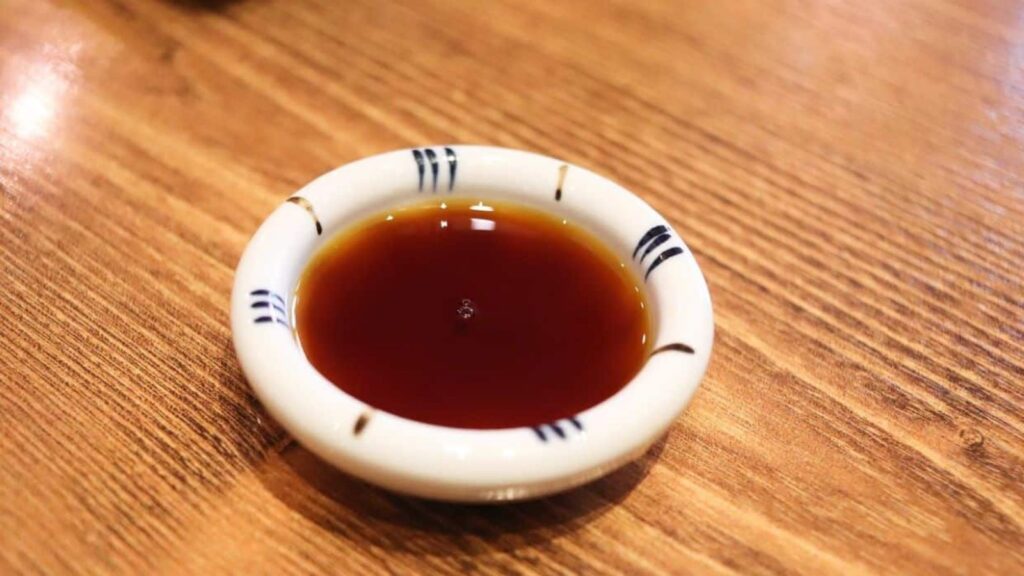
The Worcestershire sauce story is harder to prove. The usual tale says chemists John Wheeley Lea and William Henry Perrins made a bad-tasting sauce in the 1830s. They set it aside and later found that aging had improved it. A food historian says the forgotten-barrel tale may be company lore. It is safer to treat it as tradition, not settled fact.
Pop Rocks
Pop Rocks did grow out of a test aimed at something else. General Foods chemist William Mitchell was trying to make an instant self-carbonating soda in 1956. His work instead led to the gas-filled candy that became Pop Rocks. Smithsonian says the unexpected result was patented in 1961. The candy reached stores in the mid-1970s.
Bubble Gum
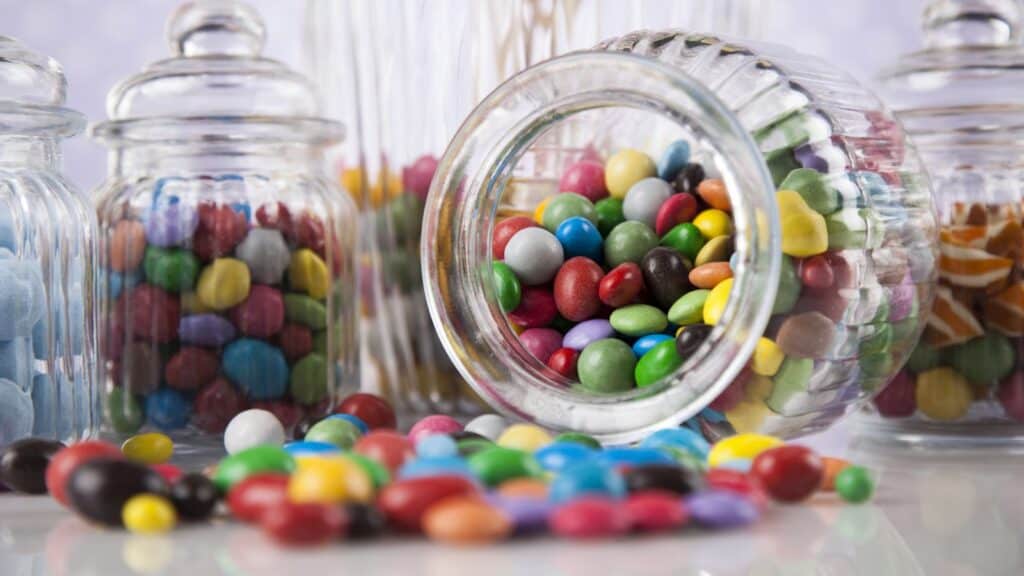
Walter Diemer was an accountant at a chewing gum company. He also spent months testing gum formulas. In 1928, one batch came out very stretchy and did not stick to skin as easily. Smithsonian credits that successful formula with becoming Dubble Bubble. The result was a surprise, but Diemer had been trying to make a better gum.
Cheese Puffs
The surprise behind cheese puffs started with a machine made for animal feed. In the mid-1930s, Flakall machinist Edward Wilson saw that damp corn put through a hot grinder came out as puffy ribbons. He took some home and tested flavors. Wisconsin 101’s history of Korn Kurls shows that other workers later tried several cooking methods and coatings. Cheese-covered corn puffs became a business only after more testing.
ICEE
A broken soda fountain helped inspire the ICEE. Dairy Queen owner Omar Knedlik put bottled sodas in a freezer when he could not serve cold fountain drinks. Customers liked the partly frozen sodas. Knedlik then worked on a machine that could make the same texture on purpose. Smithsonian’s ICEE history says he kept testing the idea for years and received a patent for his frozen-soda process in 1962.
Potato Chips
The best-known potato-chip tale casts chef George Crum as an angry cook. The story says he sliced potatoes paper-thin after a customer complained. That customer is often named as Cornelius Vanderbilt. HISTORY’s review of the legend finds major holes in that version. There were earlier chip-like recipes, and several people later claimed credit. Saratoga Springs helped make chips famous, but the spiteful accident is not proven history.
Ice Cream Cones
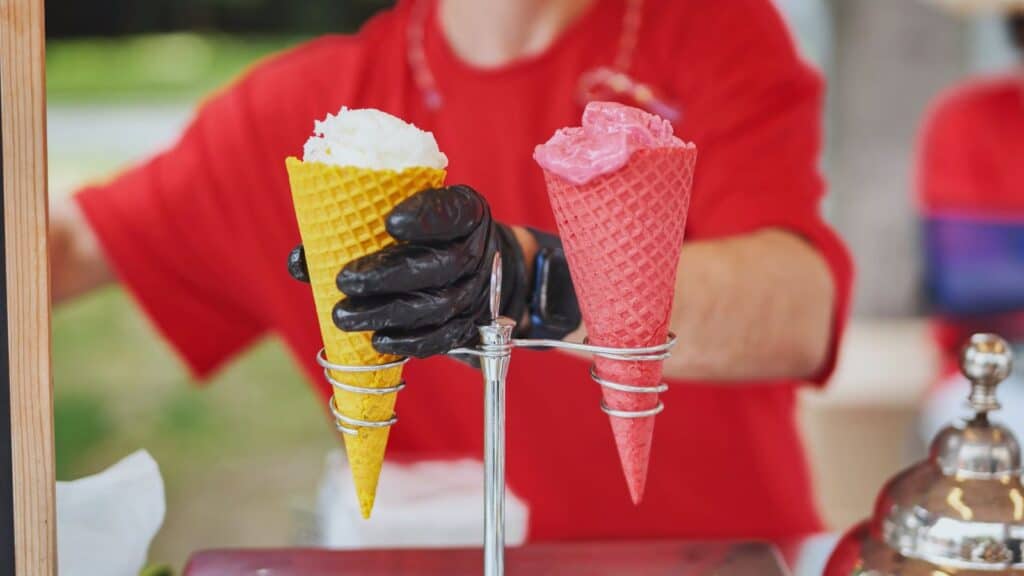
The 1904 St. Louis World’s Fair gets much of the credit for the ice cream cone. One popular tale says a waffle seller helped an ice cream seller who ran out of dishes. The problem is that edible ice cream holders came earlier. TIME notes that Italo Marchiony filed a patent for an ice cream cup-making machine in 1903. Several rival World’s Fair stories also survive. The fair helped make cones popular, but no single rescue story has been proved.
Chocolate Chip Cookies
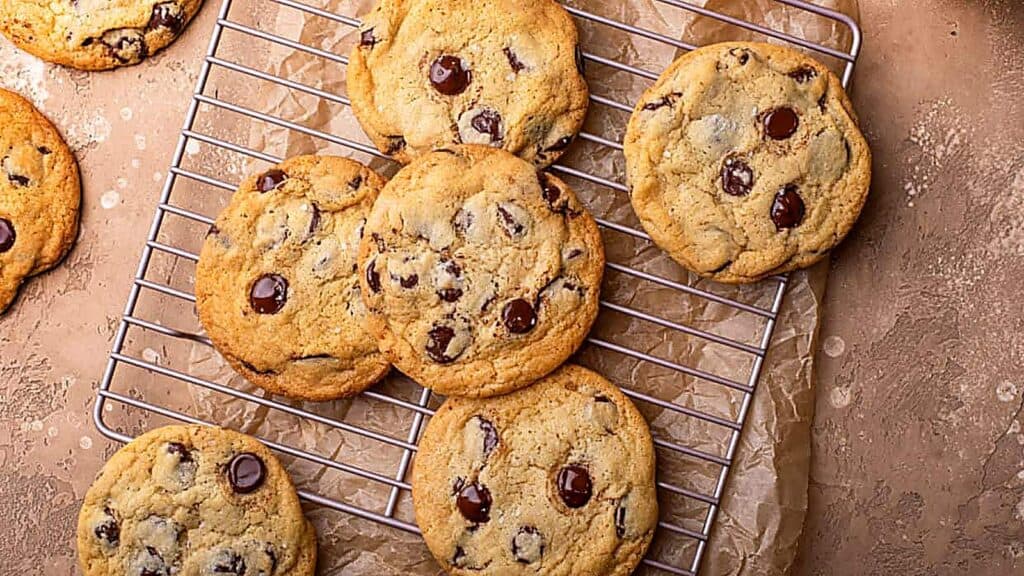
Ruth Wakefield’s chocolate chip cookie is often called a baking accident. Several versions say she ran out of baker’s chocolate, cocoa, or nuts, while another says chocolate was accidentally spilled into the dough. University of Florida IFAS Extension notes these competing stories but says the cookie was created intentionally in the late 1930s. Wakefield had studied household arts and later worked as a dietitian, lecturer, and chef. The exact sequence is debated, but the evidence does not support treating her Toll House cookie as a simple kitchen mistake.
Why the Neatest Story Isn’t Always the True One
Food history loves a simple surprise, especially when a famous product is involved. Popsicles and ICEE have a strong chance-discovery story. Other favorites took repeated tests or picked up legends years later. The fun part is not losing the story; it is finding out which parts really happened before you pass it along.