
Many people are surprised to learn that the dog days of summer aren’t about dogs when they first hear the phrase. Instead, the term comes from the annual rising of Sirius and its ancient connection with midsummer heat and celestial timing. Once blamed for stirring fever and unrest, this seasonal stretch from July 3 to Aug. 11 still overlaps with the hottest days across much of the Northern Hemisphere.
This post may contain affiliate link(s). As an Amazon Associate, I earn from qualifying purchases. See Disclosures.
Today, the dog days of summer align with the peak of summer heatwaves in North America and beyond, shaping discussions about this time of year. This is how the ancient phrase, once tied to superstition and celestial alignment, continues to influence the way we experience seasonal transitions.
Where the dog days come from
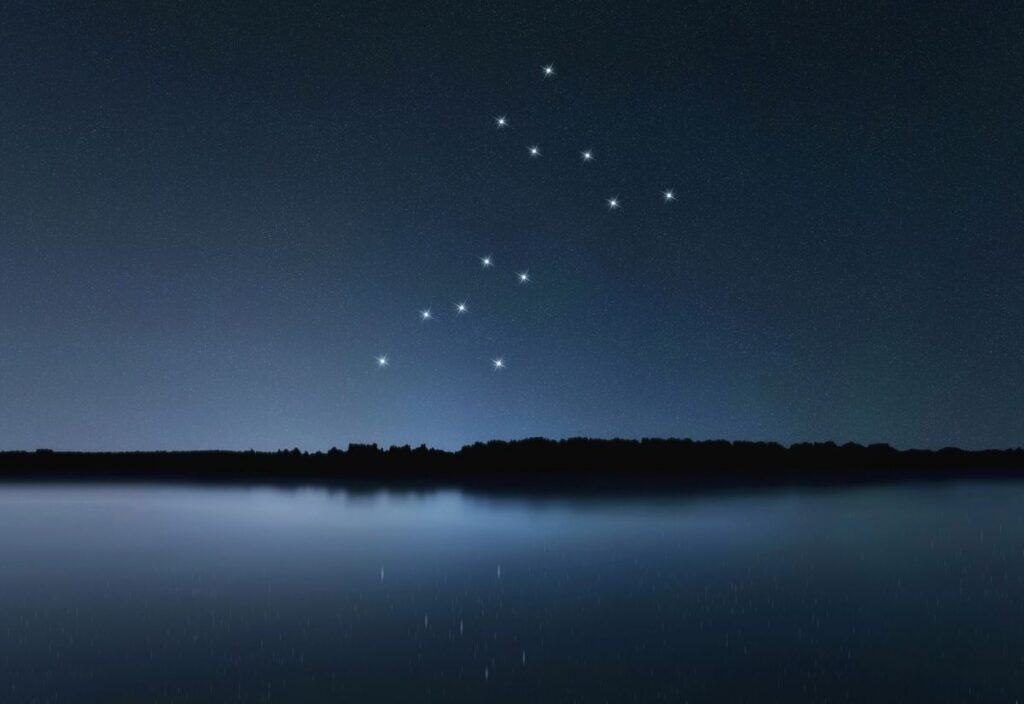
People might assume the dog days of summer refer to sleepy pets sprawled on the sidewalk, but the phrase traces back to ancient astronomy and Sirius, one of the brightest stars in the night sky. Also known as the Dog Star, it is part of the constellation Canis Major, or Greater Dog, and the Greeks and Romans saw it as a signal for changing seasons.
Around late July, the Dog Star rises in the eastern sky just before the sun. Ancient observers believed this alignment with the sun contributed to the extreme summer heat, thinking it intensified the season’s already sweltering conditions. While modern science confirms that Sirius has no actual effect on Earth’s temperature, the phrase and the folklore surrounding it remain to this day.
Why it still feels relevant
The concept behind the dog days hasn’t disappeared. While most of us aren’t tracking Sirius at dawn, the phrase still captures the unmistakable feeling of late summer, when the air is heavy, energy dips and people instinctively seek out shade or air conditioning.
Heatwaves tend to peak from July 3 to Aug. 11, especially across North America, and meteorologists often reference this period when discussing annual temperature records. So when someone mentions the dog days of summer, they’re describing a season we all feel, even if we don’t always name it.
What ancient cultures believed
In ancient Greece and Rome, people believed the dog days brought drought, disease and general unrest, making the season one of caution and anxiety. The extreme heat reportedly drove both animals and people to madness, sparking fears of instability. These interpretations shaped how communities approached midsummer, influencing everything from agriculture to health rituals.
In contrast, ancient Egypt viewed this period quite differently. The annual flooding of the Nile, known as the Inundation, typically began in late June and was vital for their agriculture. Nutrient-rich silt deposited by the rising waters turned the desert into farmland, making the event an annual celebration.
Today, the dog days are linked to the peak of summer’s heat and humidity, marked by people slowing down to adjust to the seasonal intensity. Though ancient fears have faded, this midsummer phenomenon still carries a noticeable pause that reflects both the physical effects of the heat and how daily life naturally slows down in response.
How the dog days show up in daily life
Even without tracking Sirius or studying ancient calendars, people still feel the dog days in tangible ways. People use air conditioning more to combat the summer heat, and public health agencies regularly issue heat alerts to protect vulnerable communities. From sports schedules to outdoor work hours, many routines also adjust to avoid the height of the day’s heat.
This seasonal slowdown is a response to real environmental stress. The phrase may sound quirky, but it captures patterns that affect public health, productivity and how people navigate changes in daily life. In that sense, the dog days continue to shape behavior just as they did centuries ago, though the context has evolved.
Does Sirius actually cause the heat?
Ancient cultures believed that the appearance of Sirius near the sun made summer hotter. However, BBC confirms that the Dog Star has no impact on our climate; its heliacal rising simply overlaps with the warmest part of the Northern Hemisphere’s summer. The real cause of the heat lies in seasonal atmospheric patterns, including high solar angles, persistent daylight and accumulated heat from earlier months.
Still, Sirius rising during this time gives the dog days their lasting symbolic meaning. The name adds character to a meteorological reality, bringing science and tradition together. While Sirius does not affect summer heat, it remains a part of history and summer culture.
The meaning that stuck around
For all its ancient origins and starry associations, the dog days of summer continue to capture real, lived experiences. It’s a phrase that blends folklore and science into something we still use to describe the thick, hot days of summer. Whether it reminds people of sleepy afternoons, rising temperatures or ancient constellations, the phrase still resonates to this day.
Zuzana Paar is the creator of Sustainable Life Ideas, a lifestyle blog dedicated to simple, intentional and eco-friendly living. With a global perspective shaped by years abroad, she shares everyday tips, thoughtful routines and creative ways to live more sustainably, without the overwhelm.