
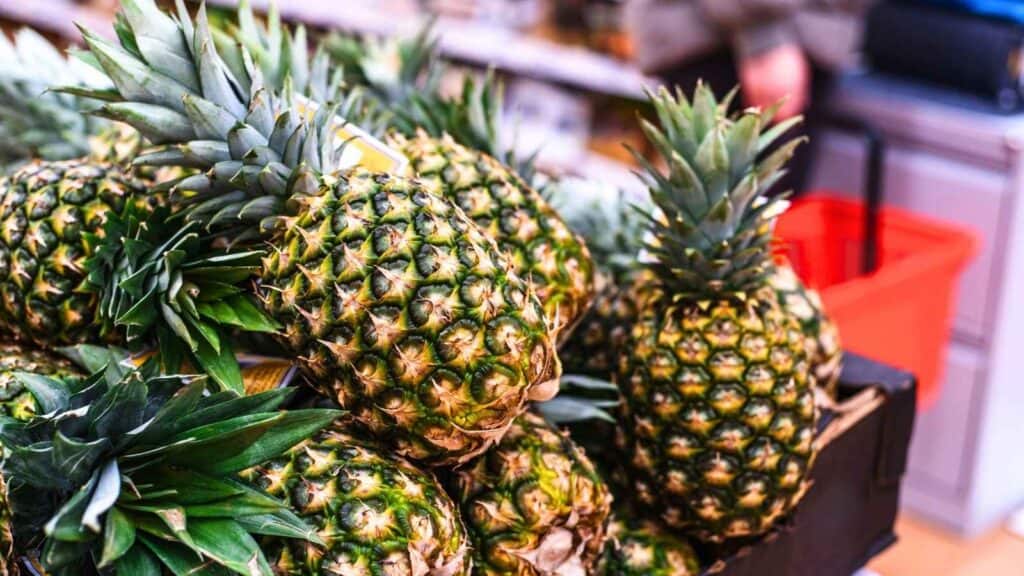
Pineapples are filling shelves and carts around the world, as Dole celebrates its 125-year legacy in pineapple production and trade. Demand continues to climb across fresh, canned and processed categories, with year-round availability now standard after decades of expansion in supply and distribution. The milestone comes with a campaign filled with interactive content, retail tie-ins and pineapple-themed activities, giving shoppers plenty of reasons to keep reaching for it.
This post may contain affiliate link(s). As an Amazon Associate, I earn from qualifying purchases. See Disclosures.
Early efforts to bring pineapple beyond the islands began with James Drummond Dole’s plantings in Hawaii, opening the fruit to wider use across North America and other regions. That groundwork shows in today’s numbers, with the global pineapple market projected to reach $13.8 billion in 2026, up from $13.24 billion in 2025.
The anniversary highlights pineapple’s global reach
Pineapples are sold worldwide in fresh, canned and processed forms across retail and food service channels. Dole, one of the world’s largest producers and distributors of fresh produce, celebrates its 125-year milestone in expanding the fruit’s availability beyond traditional growing regions.
The anniversary rollout includes nationwide promotions, digital campaigns and in-store activity that place the product directly in front of shoppers. Events are taking place in Charlotte and across the country in the lead-up to International Pineapple Day. Retail tie-ins include commemorative tags on DOLE Royal Hawaiian pineapples and dedicated displays across North America.
Early trade made pineapples widely available
Across Europe in the 15th to 17th centuries, pineapples were uncommon due to limited supply and long transport routes. That began to change in the early 1900s as commercial farming expanded and canning made the fruit easier to store and ship.
Dole increased production during this period and introduced packaged formats that extended shelf life. The company moved pineapple into everyday use, shifting it from a specialty item to a standard grocery product. Today, ready-to-eat formats and health-focused messaging continue to drive demand, with horticultural imports to the United States reaching $32.4 billion in 2024. Within that total, pineapple continues to grow while other tropical fruits fall off.
Multi-region sourcing keeps pineapple supply stable
Pineapple production expanded beyond Hawaii over time, with large-scale cultivation established in parts of Central America, including Honduras. Dole operates long-running farms in the region, including its oldest site in Honduras, which remains active in both production and development.
Growing the fruit across multiple regions keeps supply moving into major markets throughout the year. This approach limits disruptions caused by weather or harvest cycles to a single location, which results in products continuing to reach retail and food service channels without significant gaps.
Operations connect farming, processing and distribution within a single network, allowing products to move from field to market at scale. Investment in growing regions began decades ago and continues through facility upgrades and logistics improvements that sustain long-term output.
Innovation and campaigns keep pineapples relevant
New product lines continue to keep pineapple competitive, with varieties such as Dole’s Colada Royale developed in Honduras, offering a flavor profile that includes subtle coconut notes. Dole focuses on taste and product distinction to stand out in a crowded fruit market while aligning with changing consumer preferences.
The anniversary efforts extend beyond the product itself, as the company introduces recipes, digital content and themed materials that encourage at-home use. Campaign activity includes social media engagement, brand partnerships and consumer participation through hashtag-driven promotions. Retail programs extend these efforts into stores, with displays and promotional materials that connect shoppers to the anniversary campaign and keep the product in focus across different buying channels.
Expansion continues through new pineapple offerings
Pineapple is now firmly established across global markets, leaving future growth to depend less on access and more on what sets each offering apart. New varieties and formats will likely determine how producers keep the fruit competitive as options expand across the category. The next phase may come down to how far innovation can extend interest in a product that is already widely available.
Jennifer Allen is a retired professional chef and long-time writer. Her work appears in dozens of publications, including MSN, Yahoo, The Washington Post and The Seattle Times. These days, she’s busy in the kitchen developing recipes and traveling the world, and you can find all her best creations at Cook What You Love.