
Pulling up a stool used to mean more than ordering a Coke. Drugstore fountains turned a soft drink into a little show: syrup measured by hand, seltzer hissing into the glass, regulars parked at the counter for as long as they felt like staying. Then bottled drinks and automatic dispensers took over, and most of that ritual just quietly disappeared. These nine traditions are what Americans actually lost when the neighborhood fountain stopped being a daily habit.
Marble Counters and Swivel Stools
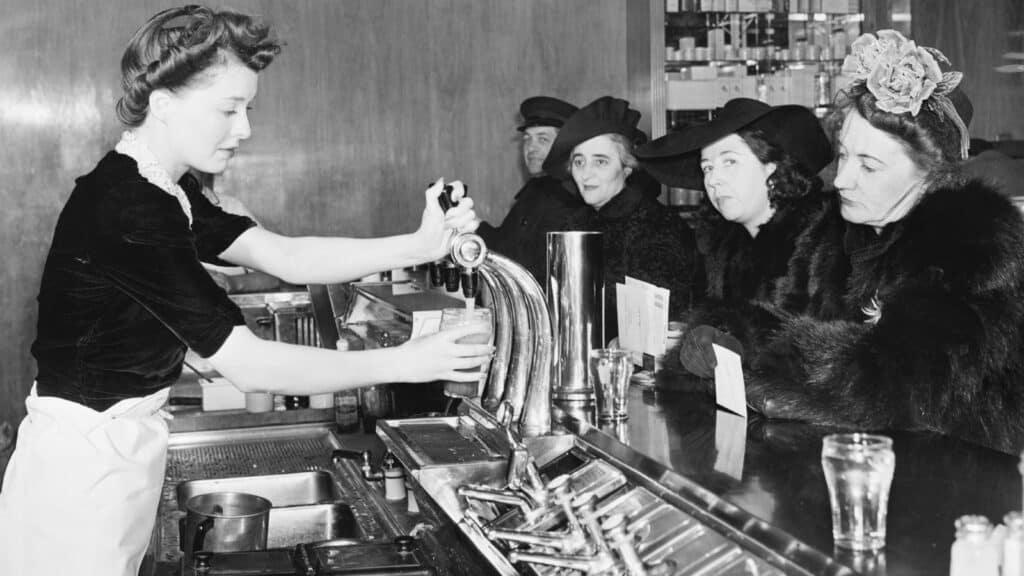
Sitting down was part of the order. Marble counters and swivel stools put customers right at the fountain instead of sending them off with a cup. SAH Archipedia documents a preserved Colorado drugstore with swivel stools still lined up at its marble soda fountain. The setup made a quick drink feel like counter time.
Soda Jerks and Counter Slang
Ordering could sound like a code. Soda jerks became known for colorful calls that could vary from shop to shop. Atlas Obscura records “black cow” for root beer and several calls for customized drinks. The slang gave the person behind the counter a role that was part server and part performer.
Syrup Pumps and Drinks Built by Hand
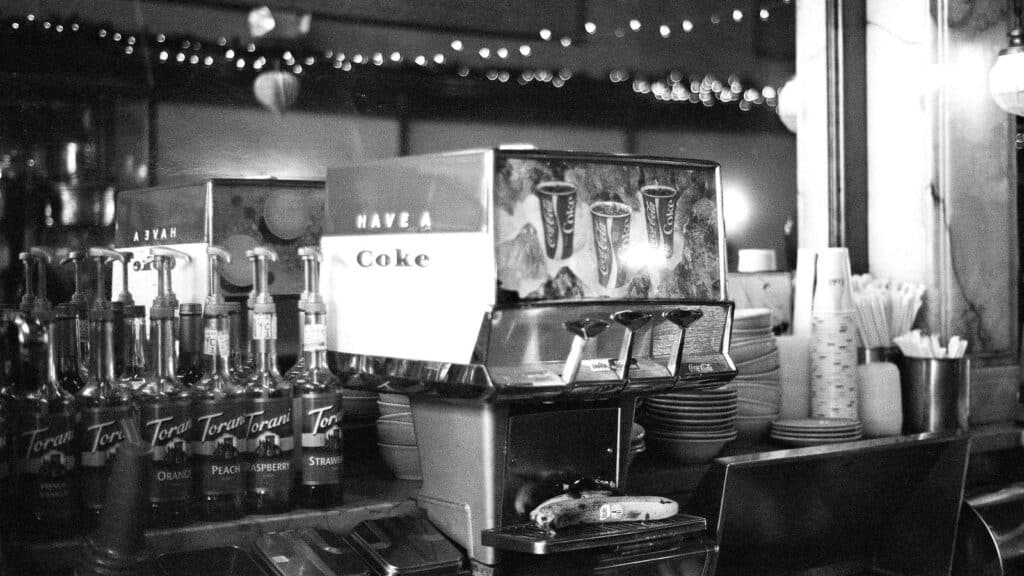
Fountain drinks once involved more visible work. Syrup, carbonated water and other ingredients were combined at the counter instead of arriving as a finished pour. Pharmacy Times notes that syrup companies supplied free dispensers in exchange for advertising. Later automatic dispensers mixed syrup and carbonated water for the operator.
The Sharp Bite of a Phosphate
Sweetness was not the only option. Fountain phosphates used fruit acid or acid phosphate to add a dry, sour edge to a drink. Atlas Obscura found period recipes that treated phosphates as a regular fountain category. The flavor was closer to a bright citrus tang than the rounded sweetness of a typical soda.
The Egg Cream With No Egg
New York gave fountain culture one of its strangest names. A classic egg cream contains no egg and no cream. Smithsonian Magazine describes the New York City drink as milk, chocolate syrup and seltzer. The misleading name became part of its charm, while the three-ingredient formula made it a fountain classic.
Malted Milk in the Shake
Malted milk gave fountain shakes their deep, toasted flavor. Saveur describes malted milk powder as a mix of malted barley, wheat flour and whole milk. Brothers James and William Horlick patented the ingredient in 1883. At soda fountains, a spoonful turned an ordinary shake into a malt.
Coca-Cola Mixed at the Fountain
Coke did not always arrive from a modern dispenser. The Coca-Cola Company says operators mixed it manually from the drink’s creation in 1886 until automatic fountain equipment came along. The counter worker handled the syrup and carbonated water, so making the drink was visible to the customer.
Showpiece Sundaes Behind the Counter
Soda fountains also gave workers room to build desserts meant to impress. The banana split became one of the best-known examples. The Los Angeles Times notes competing birthplace claims from Latrobe, Pennsylvania and Wilmington, Ohio. Latrobe credits apprentice pharmacist David Strickler with creating a three-scoop version in 1904. The disputed origin only adds to how closely the dessert is tied to fountain culture.
The Counter as a Public Stage
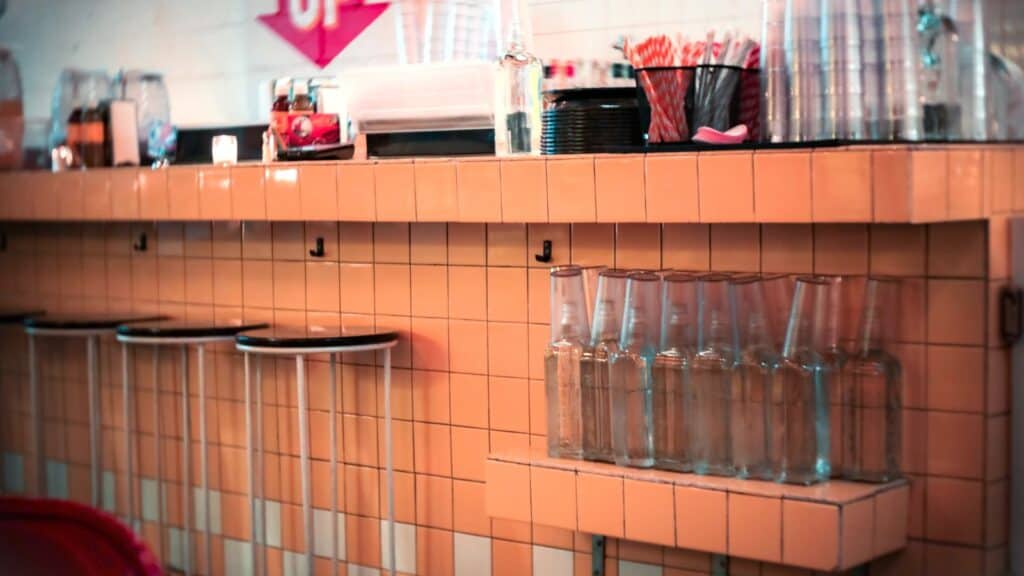
Lunch counters were social spaces, but they were not open to everyone. On February 1, 1960, four Black college students sat at a whites-only Woolworth counter in Greensboro, North Carolina and ordered coffee. They were not served. The National Park Service says the protest quickly grew and inspired action in other cities. Fountain and lunch counters were everyday gathering places, which made discrimination at those counters impossible to separate from public life.
What Disappeared Was the Ritual
Bottles, cans and automatic machines made drinks easier to buy, but convenience changed what the purchase asked of you. The old fountain made the process visible and put customers face to face with the person preparing the order. Its history also shows that public gathering places respond to the rules of the society around them. A counter can create connection, but only when everyone is allowed to take a seat.